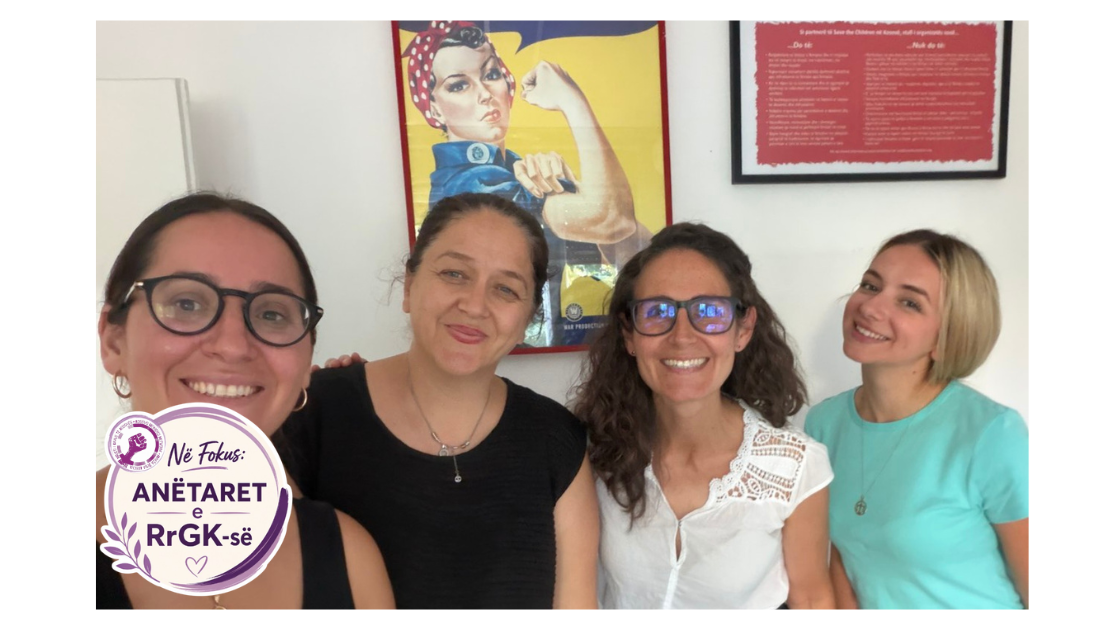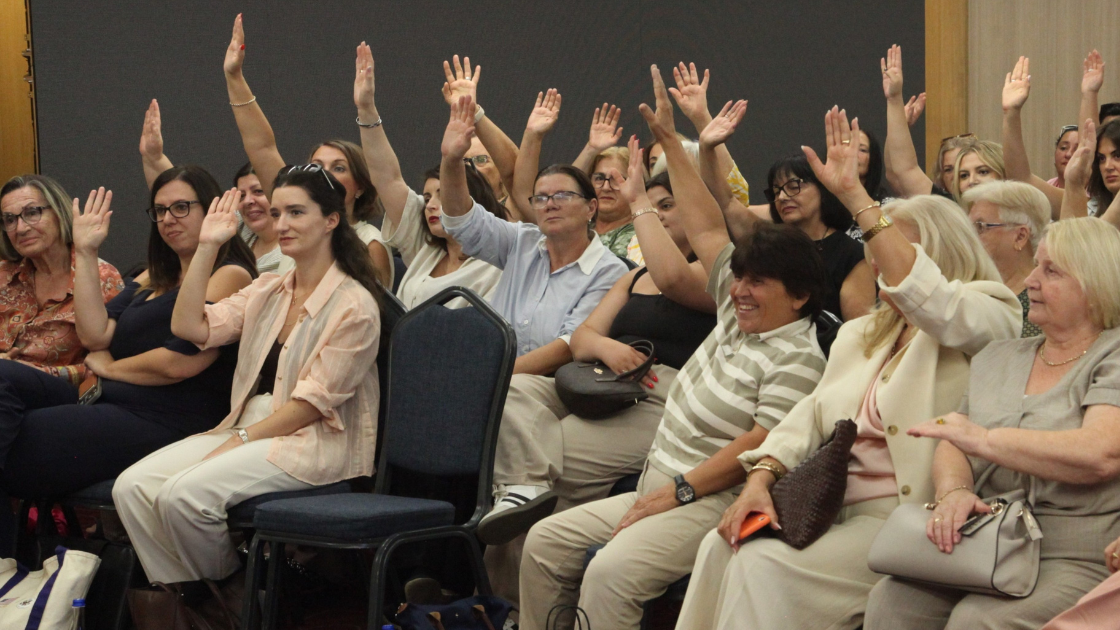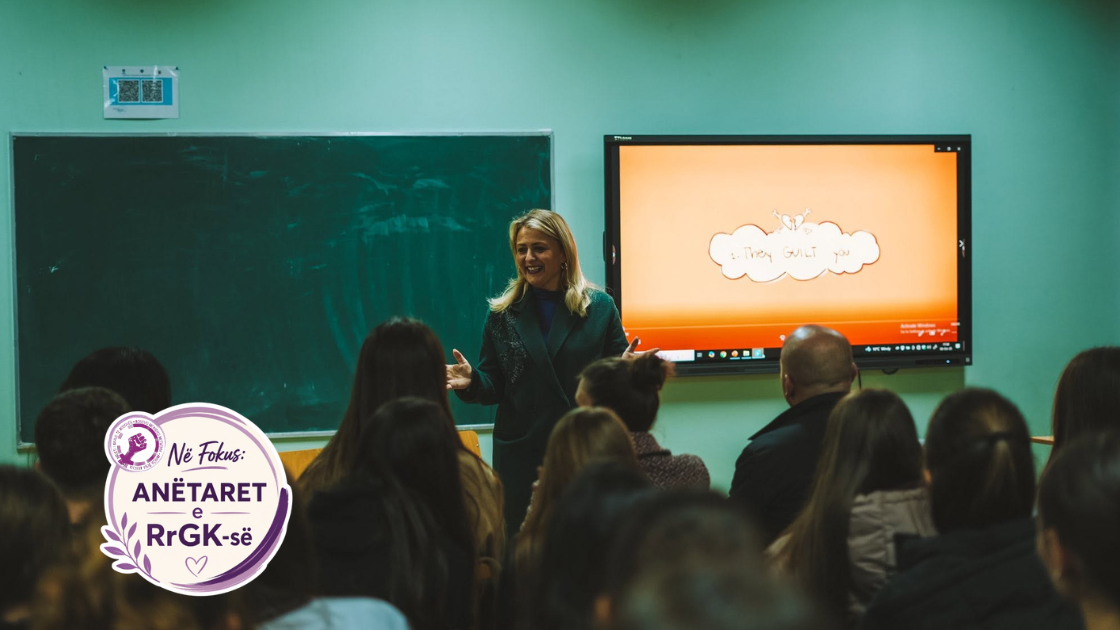

Today, the Embassy of the Republic of Kosovo in Portugal and the Portuguese Platform for Women’s Rights (PpDM) cohosted a discussion: “Lisbon Dialogue: Women’s Rights and Peace – 25 Years after United Security Council Resolution 1325”. Kosovo Women’s Network (KWN) Executive Director Igballe Rogova was the keynote speaker, sharing stories from her 25 years of experience advocating for the Resolution’s implementation in Kosovo and beyond.
The session aimed to promote joint reflection on the current state of the Women, Peace and Security (WPS) Agenda, 25 years after the adoption of landmark Resolution 1325 on WPS, which recognised the essential role of women in conflict prevention, peacebuilding and leading post-conflict recovery and reconstruction processes.
The initiative brought together representatives of civil society and diplomatic missions to Portugal to discuss common priorities and strengthen international cooperation towards implemening the WPS Agenda, amid shifting political priorities and potential backsliding on women’s rights.
Participants reflected on achievements and current challenges in implementing Resolution 1325. They agreed on the importance of broad, strategic partnerships, engaging civil society, diplomatic missions, women and men to address present-day threats to women’s rights and the WPS Agenda.
As PpDM stated and participants echoed, “The participation of everyone is essential to strengthening this global agenda.”
The Ambassador of Kosovo to Portugal, Edona Maloku Bërdyna, emphasised that women are agents of change, as Kosovo’s history from the 1990s, through the state-building process and today illustrate. She praised the work of civil society, stating that such voices “enable us to be where we are today.”
In co-organising this event, Ambassador Maloku Bërdyna exemplified action towards implementing the WPS Agenda: she co-created a space for women’s rights organisations to dialogue with embassies and officials on important issues.
As Paula Barros, PpDM President, emphasised, “There is no peace without women’s participation”.
Key interrelated issues discussed included women’s engagement in peace processes, backlash facing the women’s movement, activist burnout and the European Union’s (EU) need to allocate resources for human security, rather than focusing on militarisation.
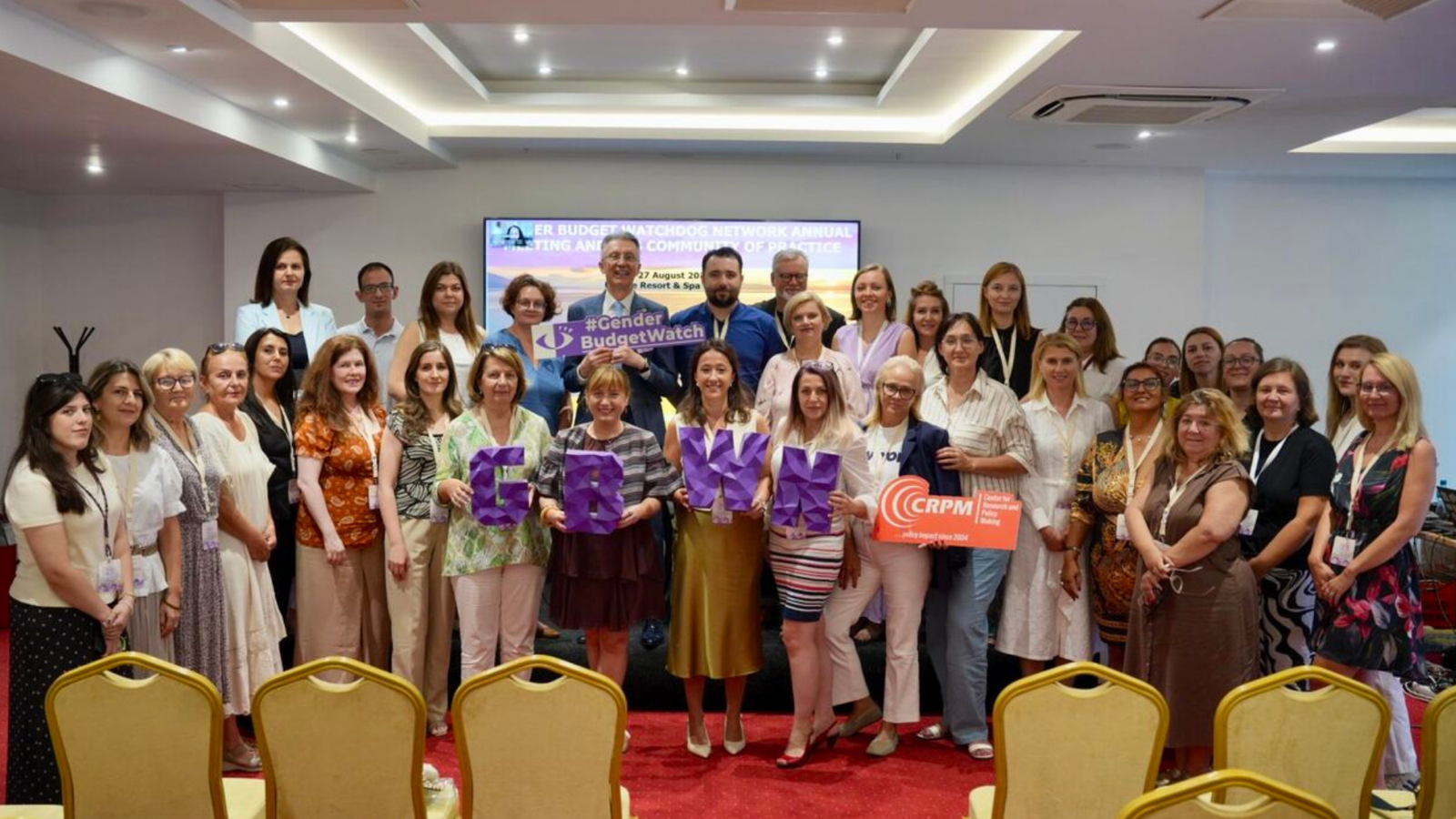
KWN Deputy Director and Lead Researcher Nicole Farnsworth shared opportunities for joint advocacy in combining efforts to advocate for the EU to allocate resources in its new seven-year budget, the Multiannual Financial Framework, to gender equality. She shared about the joint initiative of the European Gender Budget Network, Gender Budget Watchdog Network and European Women’s Lobby, among others, to call for the EU budget to focus on human security and social programs.
In summary, the Embassy of the Republic of Kosovo in Portugal and the PpDM reaffirmed their “commitment to promoting equality between women and men, consolidating sustainable peace, and defending women’s rights in conflict and post-conflict contexts”.
Ambassadors from East Timor and El Salvador participated in the dialogue, among others.
PpDM is a network of 34 organisations that has advocated for improvements to Portugal’s fourth National Action Plan on WPS.
KWN and PpDM agreed on the importance of solidarity among activists and agreed to continue networking towards shared aims.