Transportation shapes daily life, but not everyone experiences it equally.
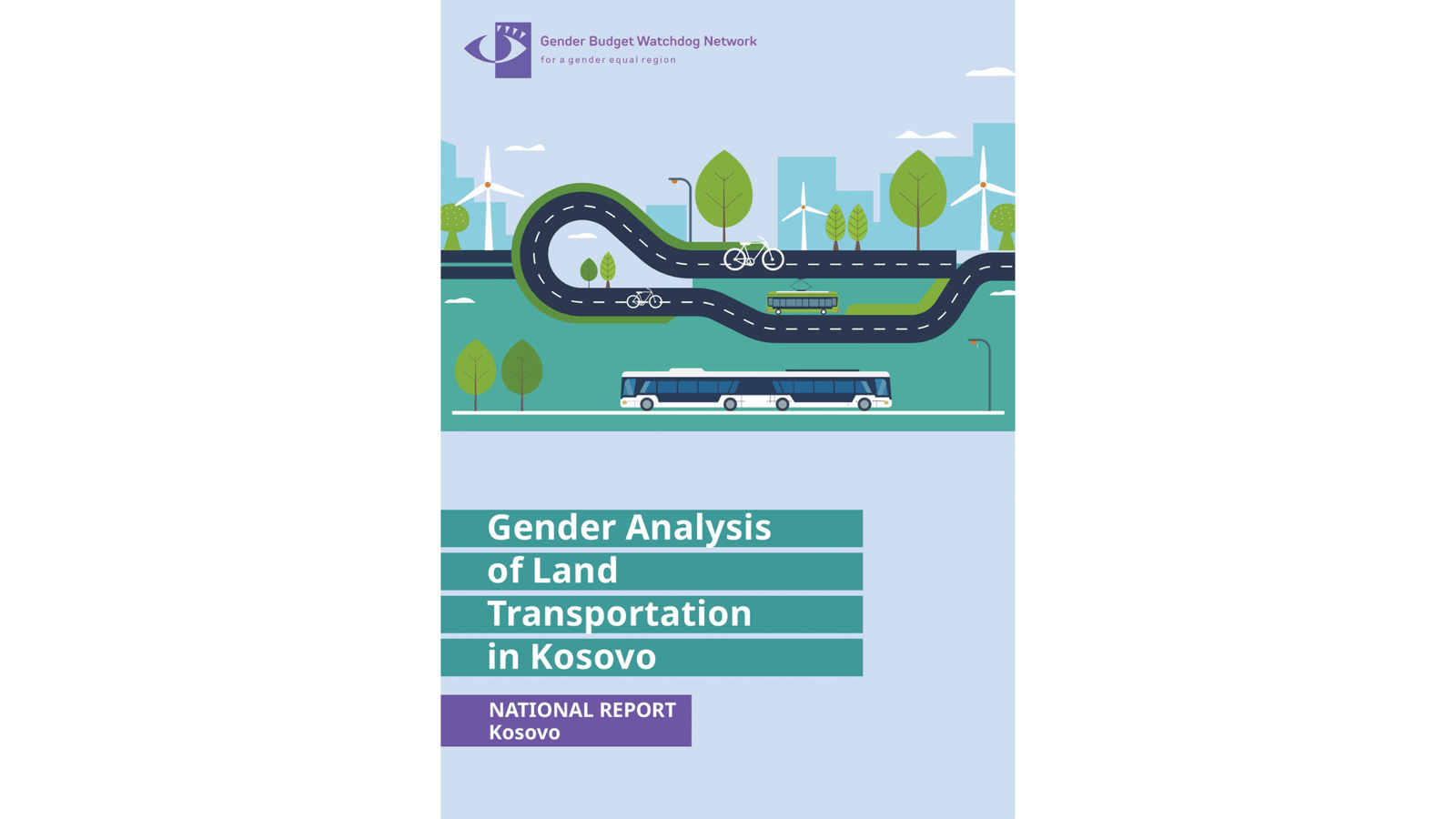
The Kosovo Women’s Network (KWN) has published the first-ever comprehensive Gender Analysis of Land Transportation in Kosovo, shedding light on how transport systems, or the lack thereof, affect diverse women, men, girls and boys differently across the country.
This pioneering research shows clearly that transportation is not gender neutral. Women are less likely to own or access various transportation modes, particularly in rural areas. Persons with disabilities face persistent physical and institutional barriers, while caregivers (usually women) struggle with infrastructure that does not meet their daily mobility needs. Safety concerns, including sexual harassment and poorly lit or designed public spaces, continue to restrict freedom of movement, especially for women and girls.
Using an intersectional approach, this report highlights how multiple forms of inequality overlap. Roma, Ashkali and Egyptian communities experience limited access to reliable transport and discrimination, compounded by gender-based discrimination. Residents of rural and remote areas face weak connections and insufficient services. Lesbian, Gay, Bisexual, Transgender, Queer, Intersex, Asexual/Aromantic+ persons and women, particularly from ethnic minorities, report feeling unsafe or excluded from using public transport.
Beyond social impacts, the research emphasises that transportation plays a critical role in climate change, public health and social inclusion. Insufficient investment in public transport, sidewalks, cycling infrastructure and gender-responsive planning not only deepens inequalities, but also undermines Kosovo’s climate and health goals.
The analysis reviews laws, policies, budgets and municipal practices, with case studies from Pristina and Dragash. It offers concrete, actionable recommendations for central and municipal institutions. These recommendations aim to support the development of transport systems that are safer, more accessible, more equitable and more climate responsive.
This publication was financed by the Austrian Development Agency and Sweden, through the Gender Budget Watchdog Network. The Ministry of Environment, Spatial Planning and Infrastructure and municipalities of Pristina and Dragash facilitated the research.