Gender-based violence and domestic violence are global phenomena, disproportionately affecting women. In many communities in Kosovo, domestic violence is still considered a private matter to be handled within the family. Kosovo’s legal framework related to gender-based and domestic violence is aligned with international standards, but consistent implementation remains a challenge. Few women report violence, and when they do, their cases are often handled without sufficient sensitivity or seriousness.
The NGO Zensko Pravo sought to bring this issue to the attention of judicial and law enforcement actors in northern Kosovo, while simultaneously fostering stronger multisectoral coordination to improve responses to cases of violence.
Building Awareness and Trust
Zensko Pravo began by raising awareness through monthly meetings and trainings with prosecutors, victim advocates and judges handling cases of domestic and gender-based violence. Participants discussed gender-sensitive approaches and reviewed practical case studies, confronting persistent challenges in applying Kosovo’s aligned legal framework.
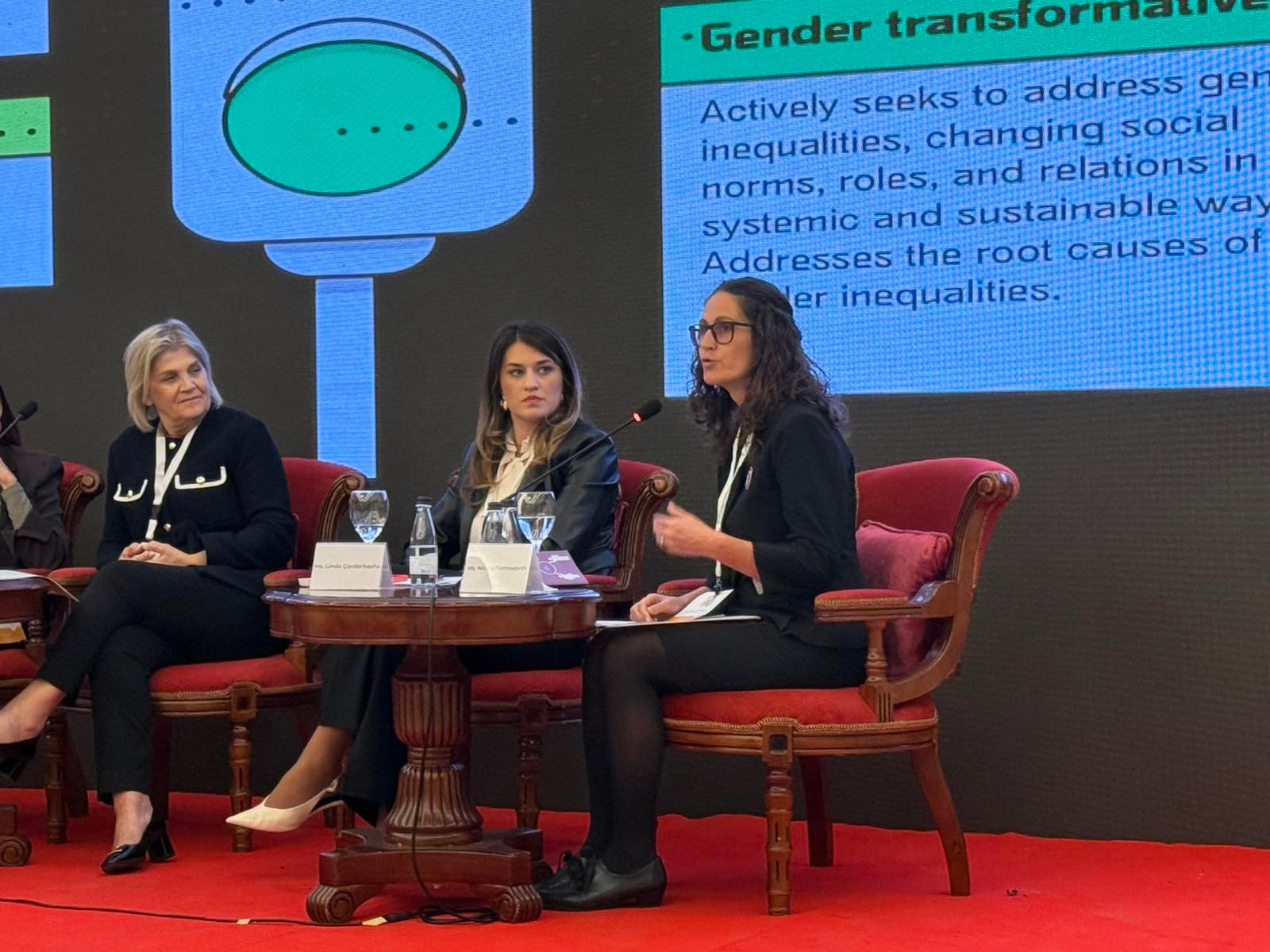
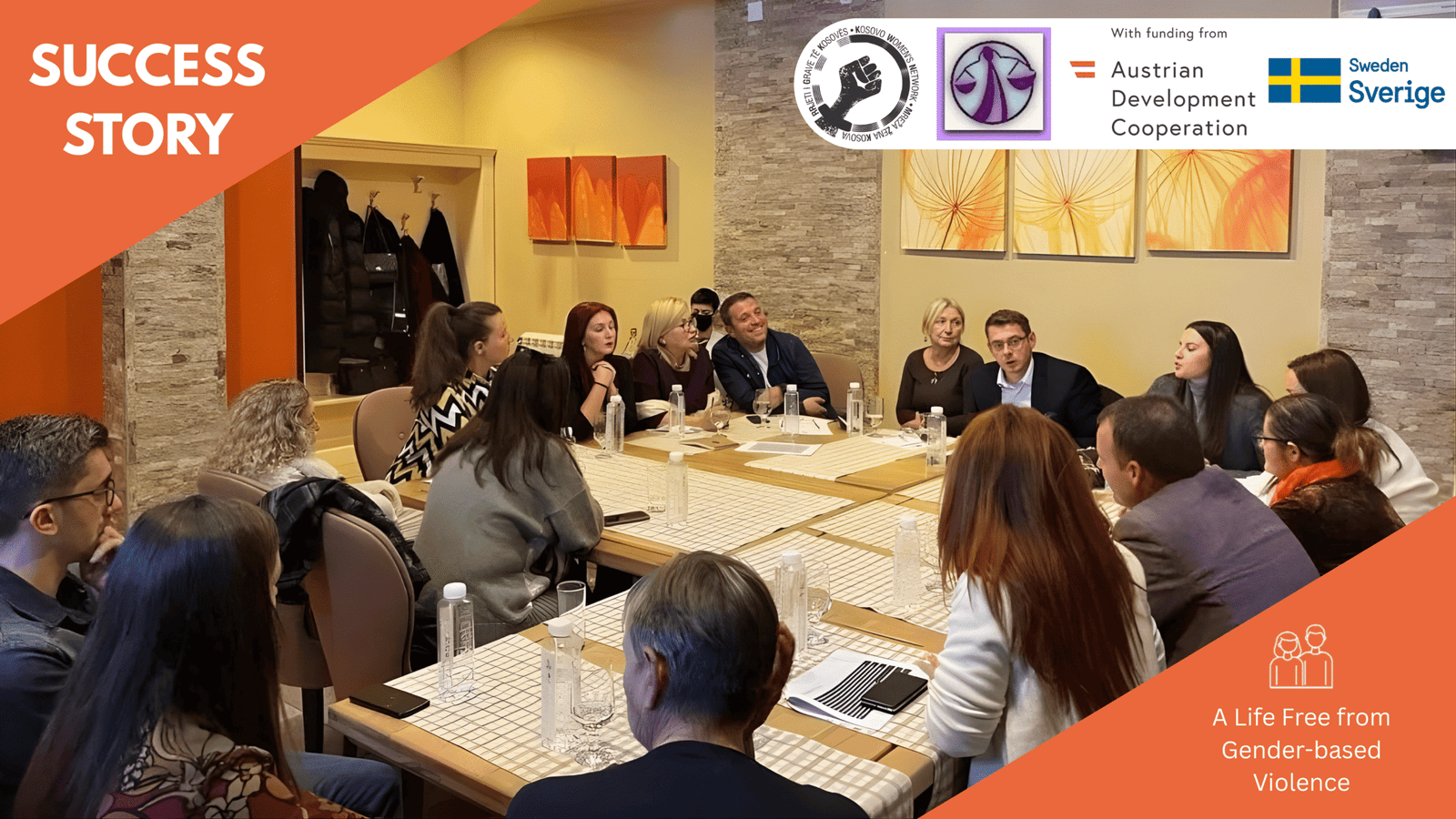
A roundtable brought together professionals from judiciary, prosecution and law enforcement with civil society actors working in the field of gender-based violence, to exchange perspectives and reflect on systemic obstacles. The discussion that took place covered recurring issues such as inappropriate referrals to mediation in cases of domestic violence, victim displacement from shared homes, and the lack of social housing support for survivors.
Through artistic performances, a debate, and a public awareness campaign, women, girls and minority groups gained a clearer understanding of their rights and the services available to survivors of violence.
One of the judges who participated in the meetings, Vesna Milic, highlighted how many survivors face economic insecurity, limiting their independence. Following her recommendation, Zensko Pravo also organised a seminar covering women’s rights to property and inheritance.
From Knowledge to Commitment
Building on this increased awareness, the initiative transitioned into active collaboration between the judiciary, prosecution, police and civil society. Three cooperation agreements were established, and workshops allowed key representatives to develop joint strategies for more effective case management, including improved reporting and follow-up efforts. Health and education institutions also joined, strengthening cross-sector efforts to respond cohesively to incidents of domestic and gender-based violence.
Free legal and psychosocial support was provided to survivors. Cases included a woman who had endured 17 years of repeated assault and received help to report the abuse and secure a divorce; a minor facing family-related behavioral issues, who was treated with therapy alongside their mother; and Roma victims of violence who received legal guidance, psychological support and safe housing. A legal consultation held with one of the participating victim advocates, Burhan Medjuni, helped a survivor involved in ongoing proceedings understand the legal process, while also encouraging them to continue pursuing the case.
These interventions highlighted how important accessible legal aid is for building trust in institutions and helping survivors seek justice.
Towards Justice and Safety for All
The initiative left a lasting mark: it laid the foundation for closer and more efficient collaboration between institutions, while also increasing people’s knowledge of victims’ rights. “The ‘Protected and Safe’ project allowed us to take important steps in connecting local institutions and organisations”, says Andrijana Strauss, Project Assistant at Zensko Pravo. “For the first time, all actors sat at the same table and discussed specific cases, not just procedures. I believe this is one of the project’s greatest contributions – real collaboration in practice”. Media coverage of the initiative was extensive, with local TV and radio channels broadcasting activities and workshops, further strengthening public awareness.
Key recommendations from participants included maintaining multi-sectoral cooperation, continuing public awareness campaigns, and expanding social and legal support services for survivors. Following these recommendations, Zensko Pravo continued to work with representatives from local government, police, health and social services even after the initiative ended, to ensure ongoing collaboration. In partnership with other organisations, they also carried out an additional public awareness campaign, featuring informational materials distributed to citizens as well as two public events.
Free legal aid and psychosocial support for victims of violence continues to be provided by Zensko Pravo, thanks to additional sources of funding. “The number of beneficiaries of these services is growing, which we see as a positive indicator of trust and increased awareness among women about their rights”, says Ružica Simić, Zensko Pravo’s Director. Zensko Pravo also is in the process of developing a mobile team to provide field support to victims, aiming to expand the accessibility of specialised services.
Zensko Pravo’s initiative paved the way for a safer, more just society where the rights of all survivors are recognised and protected. The lessons learned and partnerships built continue to guide efforts toward lasting change.
Zensko Pravo’s initiative “Prevention of Violence against Women in Northern Kosovo – Protected and Safe” was carried out with support from the Kosovo Women’s Network’s (KWN) Kosovo Women’s Fund (KWF), financed by the Austrian Development Agency (ADA) and co-financed by the Swedish International Development Cooperation Agency (Sida), in the amount of €4,927, from October 2021 to April 2022. The initiative contributed directly to KWN’s Programme “A Life Free from Gender-based Violence”.