Domestic violence, gender-based violence and violence against women do not end with the reporting of a case. For many survivors, this is only the beginning of a long and often difficult journey through institutions, from the moment of reporting to the police, to treatment in social work centers, and finally to the court proceedings where it is decided whether justice will be real or merely formal.
For this reason, the Kosovo Women’s Network (KWN) continues the systematic monitoring of court cases, aiming not only at transparency and accountability, but also at providing concrete support to survivors in every step of the process.
From 2025 until May 2026, a total of 155 gender-based violence cases, including femicide cases, were monitored, while 38 cases were provided with legal advice and direct assistance. These cases have revealed serious challenges in the functioning of the justice system.
From reporting to institutional support: Challenges in practice
For many women and girls, the first contact with institutions occurs at the moment of reporting to the police. Although there have been improvements in case handling, challenges still persist in the full documentation of cases, risk assessment and the provision of immediate protective measures.
At this stage, the KWN has played an active role in supporting victims in realising their rights. In practice, this has included not only legal counseling, but also accompaniment and direct assistance during the reporting of cases.
In one specific case, a woman was deeply skeptical about reporting violence, as she believed her previous case had not been taken seriously by institutions. KWN informed her of her rights, encouraged her and accompanied her to the police station, ensuring that her statement was properly recorded and that the case was treated with the seriousness it required.
In several cases, lack of proper coordination between the police, prosecution and social work centres has resulted in delays in handling cases or insufficient protection for victims at critical stages. In such situations, KWN’s continuous intervention and follow-up have been essential to ensure that cases are not left unattended and that victims are not left unprotected.
Court proceedings: Delays, challenges and our practical interventions
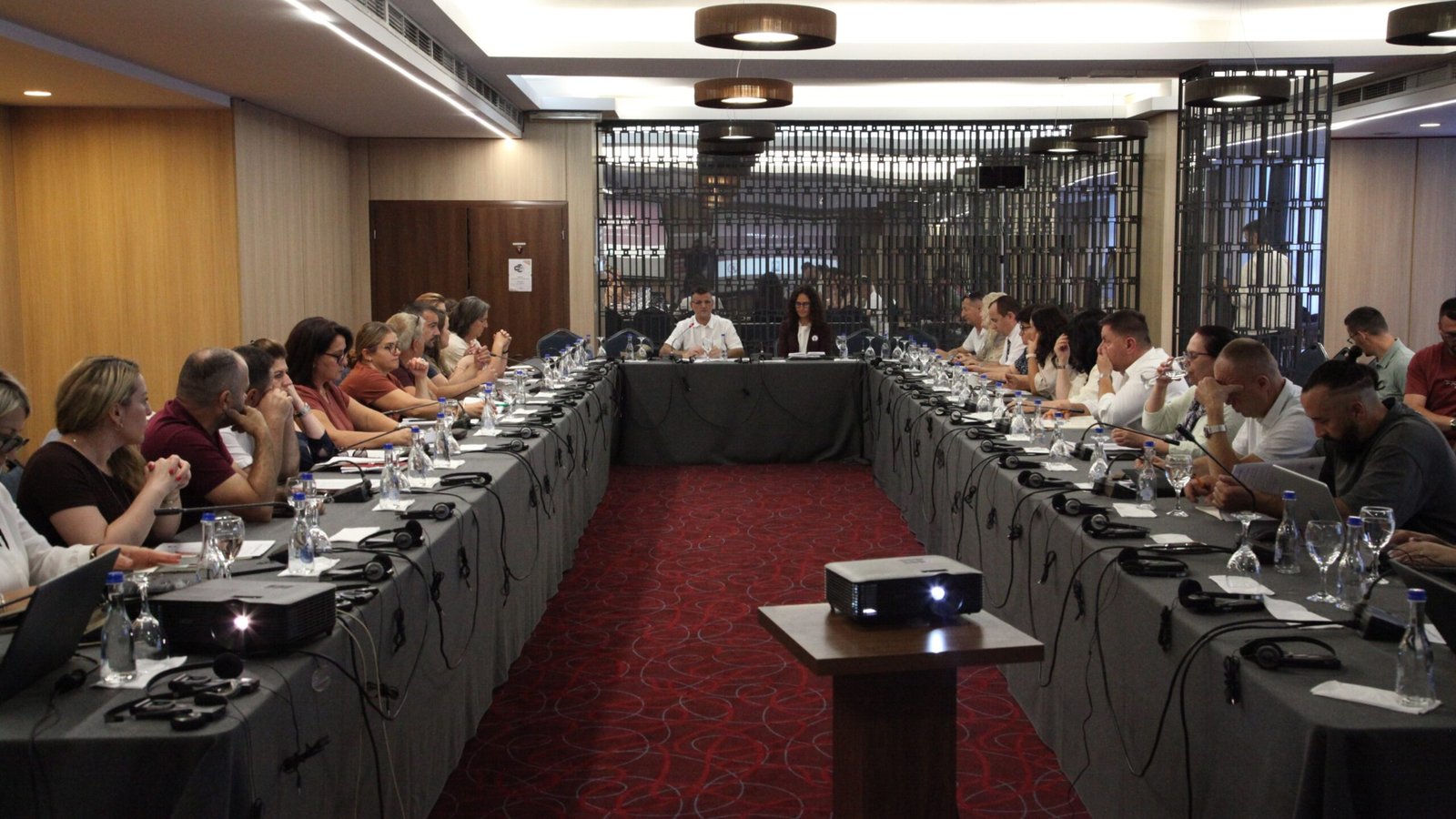
KWN has continuously monitored court hearings in cases of domestic violence, violence against women and gender-based violence. Through this monitoring, several irregularities have been identified that directly affect access to justice and the adequate treatment of victims during court proceedings.
One of the most frequent challenges has been the postponement of court hearings, often due to the absence of parties or procedural issues. These delays have prolonged judicial processes and contributed to legal uncertainty for victims. Furthermore, cases have been identified where investigations were not fully developed, while indictments were based on limited evidence, in some cases only a single piece of evidence. This weakens the position of the victim and risks reducing the effectiveness of criminal prosecution.
Another persistent challenge is the withdrawal of victims from testimony, often as a result of pressure, fear or lack of sustained institutional support, directly affecting the continuation of judicial proceedings. Cases of encouragement toward reconciliation between parties have also been observed, contrary to the legal prohibition of mediation in domestic violence cases, alongside the frequent issuance of lenient sentences – such as suspended sentences or fines – which in some cases are not proportionate to the severity of the criminal acts.
Despite these challenges, KWN has played an active role not only in monitoring but also in providing concrete support to victims throughout the entire process. In many cases, the presence of monitors during court hearings has contributed to increased transparency and a stronger sense of security for victims.
“I feel much safer knowing my case will be handled better when the monitors are present”, states one victim supported by KWN.
Based on monitoring findings, KWN has consistently responded to identified irregularities in gender-based violence cases. Through addressing concrete cases and providing clear recommendations to relevant institutions, KWN has called for improved practices and greater respect for victims’ rights. These responses have contributed to increased institutional attention to domestic violence cases and greater care during judicial proceedings. In some cases, an improvement in institutional accountability has been observed as a result of these interventions.
Through monitoring, legal assistance and continuous advocacy, KWN has contributed to strengthening victim protection and improving their access to justice.