In many classrooms across Kosovo, learning still follows a familiar pattern: the teacher speaks, and students listen. While this approach has long been the norm, it often leaves little space for discussion, curiosity or inclusion. For many teachers, limited opportunities for professional development make it difficult to try new methods, even when they want to. Over time, this affects not only how lessons are delivered, but also how students experience learning.
Through the initiative “Acting to Promote Quality Education”, implemented by Ura Sociale, teachers, schools and local institutions came together to explore a different approach, one where students are not just present in the classroom, but actively part of the learning process.
Ura Sociale worked closely with nine teachers from three secondary schools in Vushtrri, as well as school directors and representatives from the Municipal Directorate of Education. While teachers were the direct participants, around 370 students experienced the changes taking place in their classrooms.
As a first step, classroom observations offered an honest look into everyday teaching practices. Lessons were structured and informative, but student participation was limited. Topics such as gender equality, stereotypes or relationships – though important to students – were seldom explored in depth, and teachers expressed uncertainty about how to approach them. These insights shaped what came next.
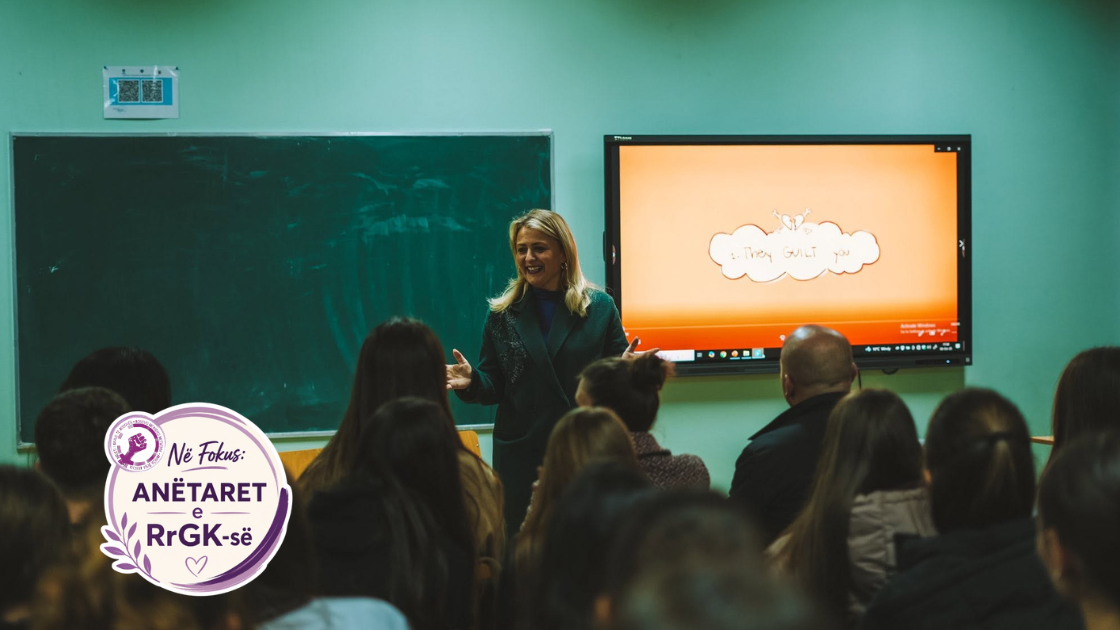
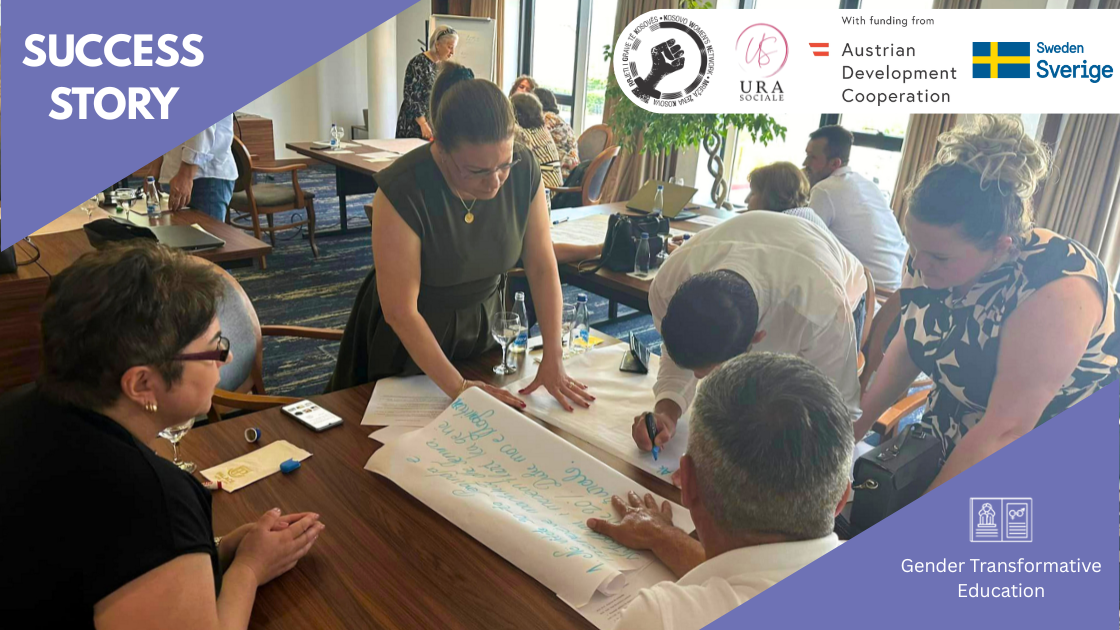
Together with partners, a training module was developed based on what was actually happening in classrooms. During a dedicated workshop, teachers explored practical ways to make their lessons more interactive and inclusive. They discussed how gender norms can influence learning, how to recognise and challenge stereotypes, and how to create a classroom environment where all students feel safe to speak and participate. The change did not happen overnight, but it was visible.
In the months that followed, teachers began to test new approaches. Group discussions became more common, students were asked for their opinions, and lessons felt more open. When classrooms were re-observed by Ura Sociale, there was a noticeable difference, not just in teaching methods, but in the energy of the room. Students were more engaged, more curious and more willing to take part.
One teacher reflected on this shift simply: “I include students much more now. I try to make lessons enjoyable, and I can see the difference in how they respond.”
Through collaboration with the Municipal Directorate of Education, the project helped turn these experiences into concrete learning. A detailed report brought together observations, challenges and recommendations, offering practical guidance for improving teaching practices and strengthening education policies even beyond the life of the initiative.
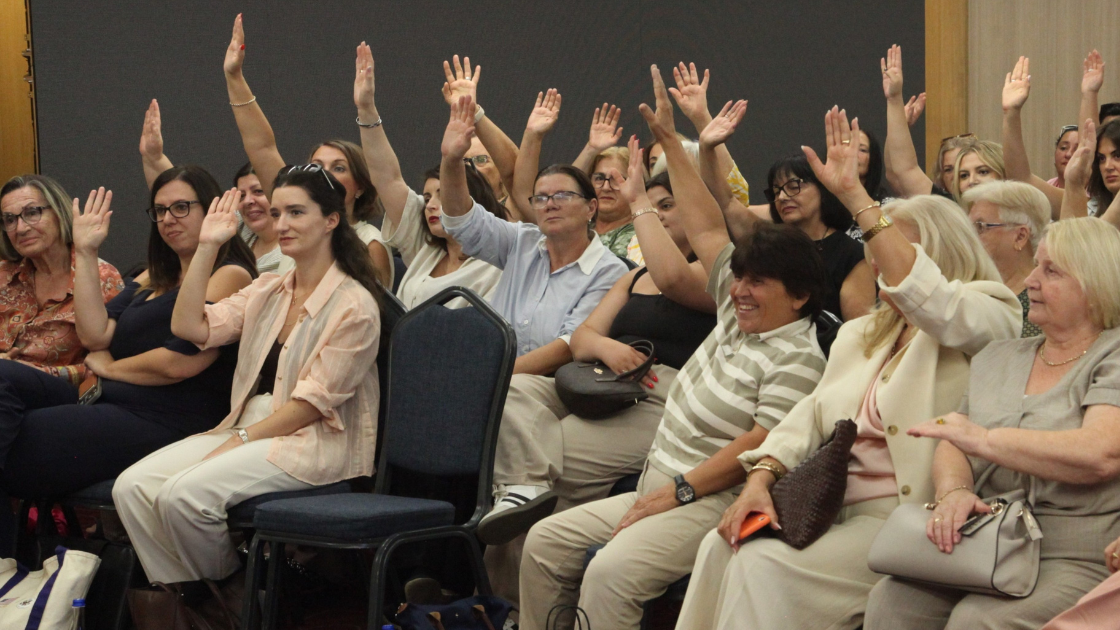
These findings were later shared in an advocacy meeting with education officials, school leaders and community members. For many, it was the first time they had seen clear, local evidence connecting teaching methods with student motivation and performance.
As one representative from the Directorate of Education noted: “Now we can clearly see how better teaching practices affect students. This is something we can build on.”
Importantly, the project also contributed to something deeper: shifting how gender is understood and addressed in education. By supporting teachers to engage with topics like stereotypes, equality and inclusion, classrooms turned into spaces for students to question norms and think more critically about the world around them.
This experience in Vushtrri shows that change in education does not always begin with large reforms. Sometimes, it starts with a teacher asking one more question, inviting one more student to speak, or trying one new approach.
Ura Sociale’s initiative “Acting to Promote Quality Education” was carried out with the support of the Kosovo Women’s Network’s (KWN) Kosovo Women’s Fund (KWF), financed by the Austrian Development Agency (ADA) and co-financed by the Swedish International Development Cooperation Agency (Sida), in the amount of 9,926€, from January 2024 to December 2024. The initiative contributed directly to KWN’s Programme “Gender Transformative Education”.