The Kosovo Women’s Network (KWN) is working with ten municipalities to strengthen the capacities of local institutions to prevent gender-based violence and ensure a coordinated response to cases. During November, work with Suhareka, Ferizaj, Novobërda and Gjilan focused on developing action plans with clear responsibilities and deadlines, reactivating coordination mechanisms, and putting procedures for case management and referral into practice, including in cases of technology-facilitated gender-based violence.
The aim is to ensure that cooperation between institutions goes beyond formal arrangements and translates into concrete action, so that women and girls experiencing violence receive timely protection and support.
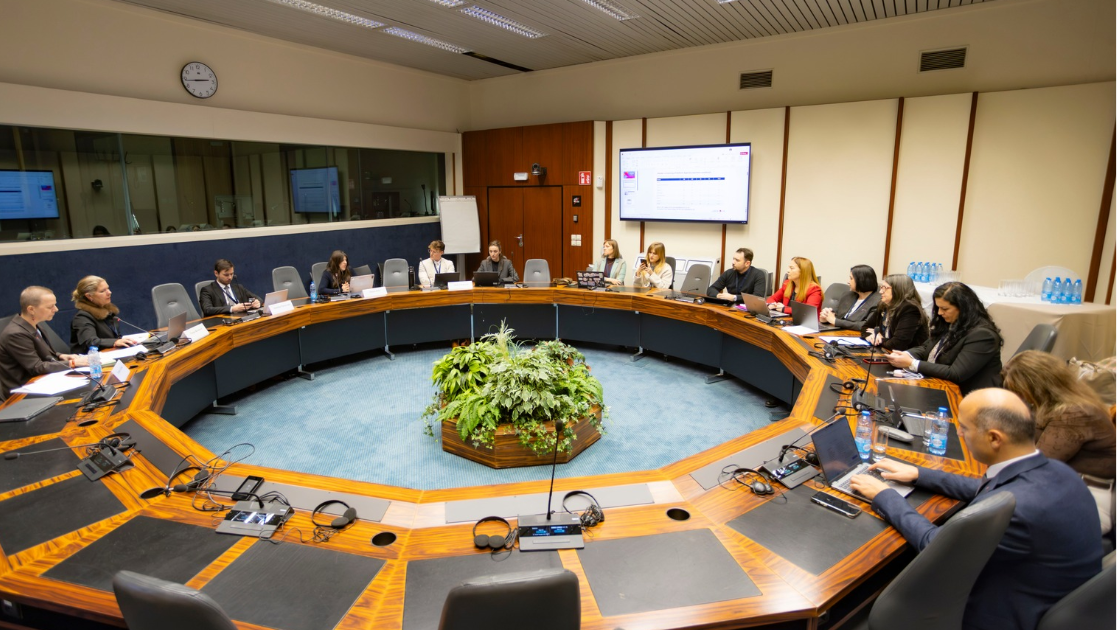
In Suhareka, KWN and the Municipality focused on translating the findings of the needs assessment into concrete steps. On 5 and 6 November, members of the Municipal Coordination Mechanism worked on developing an Action Plan, identifying priorities for preventing violence and protecting and supporting victims. The Plan sets out the institution responsible for each action, implementation deadlines, financial resources and monitoring arrangements. This will enable the Mechanism to track progress, identify challenges and take action where implementation is delayed.
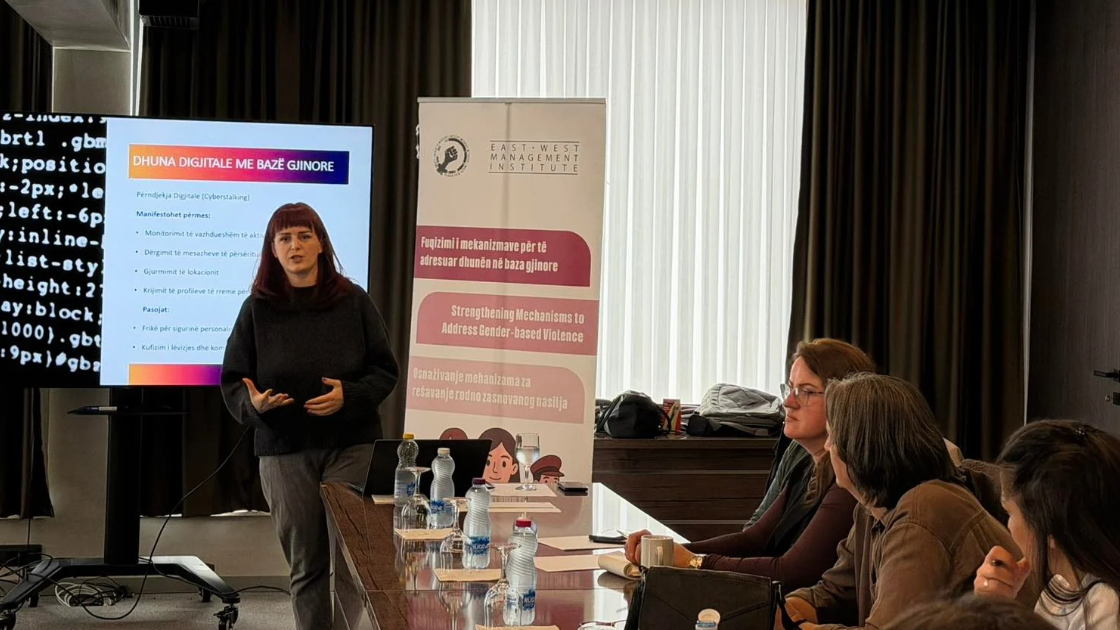
Another need identified in Suhareka was to strengthen the capacities of the Mechanism’s members to address technology-facilitated gender-based violence. During a training held on 23 November, participants explored how to identify and document such cases, use digital evidence and coordinate actions between institutions. Particular emphasis was placed on the importance of properly documenting and referring cases, as the actions taken by one institution directly affect the ability of the next institution to provide protection and support.
In Ferizaj, the training focused on applying legal responsibilities when managing cases of gender-based violence. Through discussions and practical exercises, participants examined when and how cases should be referred, as well as ways to cooperate to ensure that the necessary services are provided. The discussions centred on the safety of victims, from their first contact with an institution to receiving services. At every stage, institutions must make decisions that respect their rights and respond to their identified needs.
In addition to strengthening the capacities of individual institutions, the regular functioning of mechanisms that enable coordination between them is equally important. In Novobërda, on 24 November, KWN supported the process of reactivating the Municipal Coordination Mechanism. During the meeting, participants reviewed the Mechanism’s current status, its composition and the steps needed to ensure its regular functioning. Discussions also focused on the responsibilities of member institutions and the importance of their continued engagement in preventing violence and protecting and supporting victims and survivors.
On 27 November, work continues in Gjilan, where KWN and the Municipality will hold a training on legislation, case management and referral, as well as procedures for providing services. Through practical exercises, members of the Mechanism will explore how to apply a victim-centred approach when handling cases, based on the safety, rights and needs of each victim.
Work in these four municipalities aims to ensure that institutional coordination functions in practice. When a woman seeks help, the institution receiving her case must know how to respond, other institutions must fulfil their responsibilities, and referral procedures must ensure continuity of services. In this way, protection and support do not depend on the actions of a single institution, but on the shared responsibility and timely response of all institutions involved.
This initiative is supported by the East-West Management Institute (EWMI), as part of efforts to strengthen institutional capacities and mechanisms for addressing gender-based violence.