
For women and girls in the Municipality of Skenderaj, access to basic gynecological health services remains a daily challenge. Despite the existence of a maternity unit within the Main Family Medicine Centre, the absence of a gynecologist has left many women without essential reproductive health care. As a result, routine examinations, consultations and preventive check-ups often require travel to Mitrovica or Pristina, an option that is financially and emotionally out of reach for many.
To respond to this gap, the NGO Drugëza launched an initiative aimed at raising awareness, documenting barriers and strengthening advocacy for accessible gynecological services in Skenderaj. The project focused on empowering women to understand their rights, voice their concerns and engage directly with local institutions.
Listening to Women’s Experiences
At the heart of the initiative was listening to women themselves. Through two focus groups, one with women aged 35–60 and another with girls and young women aged 16–35, as well as 50 questionnaires conducted mainly in rural areas, Drugëza gathered first-hand accounts of the realities women face when seeking gynecological care. Participants described infrequent or nonexistent check-ups, financial barriers and discouraging experiences within public health institutions.
Some women reported being redirected to private clinics or treated disrespectfully when seeking services, while others explained that the costs of transportation, consultations and prescribed medication made regular visits impossible. These findings confirmed a broader pattern: the lack of a gynecologist in Skenderaj directly affects women’s willingness and ability to care for their reproductive health.
Information as a Tool for Empowerment
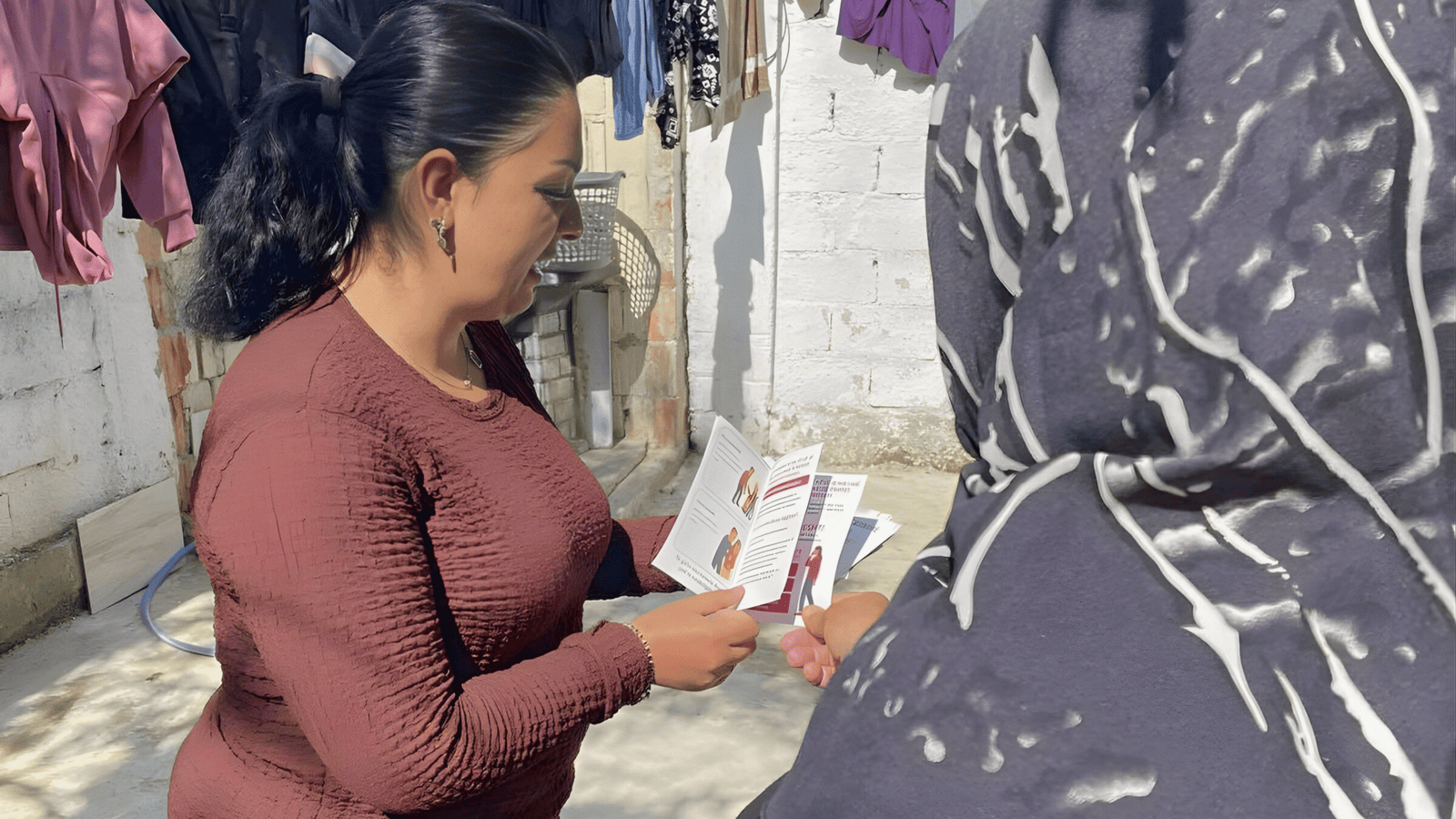
Drugëza organised five informational sessions with gynecologist Lindita Ibrahimi Veliu in Skenderaj, Runik, Vojnik and Kryshefc. In total, 96 women and girls participated in these sessions, learning about the importance of regular gynecological check-ups, sexual and reproductive health, and the mechanisms available for reporting rights violations.
For many participants, this was the first time they were informed that denial of care or mistreatment could be formally addressed. Two women from Kryshefc, who reported experiencing inappropriate treatment when seeking services, were supported and referred to the Municipal Office for Free Legal Aid, where their cases were taken under review.
“I didn’t know that we could complain somewhere about these harsh words that doctors are saying to us”, one participant reflected, highlighting how access to information shifted perceptions of what is acceptable in health care settings. “I had to go to Mitrovica to give birth, and on the way there I ended up giving birth in the ambulance”, another woman recalled, describing the long distances many women must travel to access basic maternal care.
Bringing Institutions to the Table
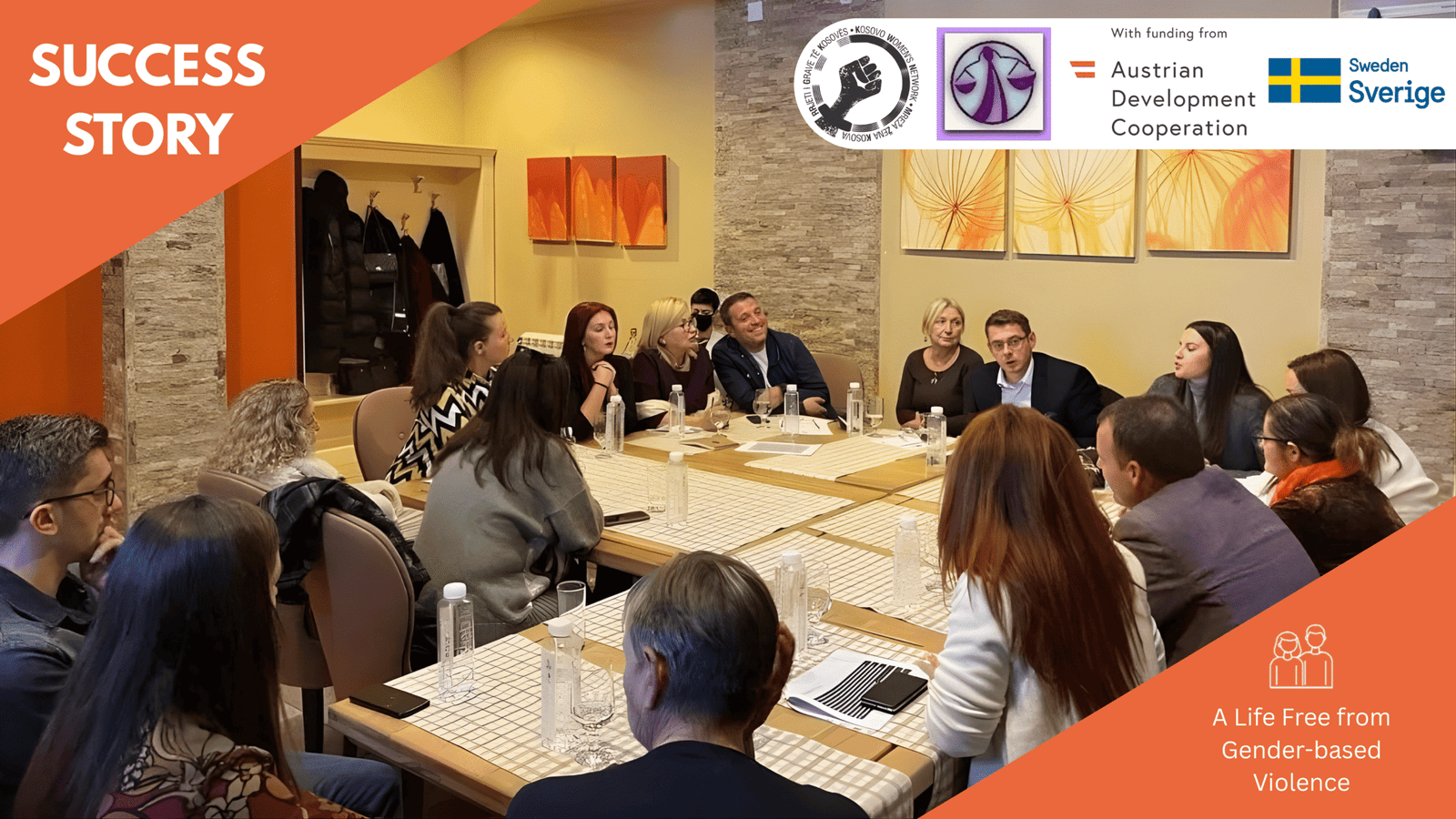
Drugëza complemented community work with direct advocacy. Three meetings were held with the Municipal Director of Health in Skenderaj, including one session attended by 20 women from different areas of the municipality. These meetings created rare spaces where women could directly express their concerns to decision-makers and present the findings from the research and focus groups.
During the final meeting, Drugëza presented evidence showing low levels of gynecological care usage and the structural reasons behind it. In response, the Director of Health expressed readiness to explore legal possibilities for allocating municipal funds to engage a gynecologist, even on a part-time basis, to improve access for women and girls in Skenderaj.
Awareness Beyond the Room
To ensure the findings reached a wider audience, Drugëza also published five visual graphics summarising key research results on social media. These posts reached over 8,300 people and generated more than 26,000 impressions, significantly expanding public awareness of the state of gynecological services in Skenderaj and the need for change.
A Step Toward Sustainable Change
By the end of the project, 126 women and girls had directly benefited from activities, while thousands more were reached indirectly through online dissemination. Women involved in the initiative became more informed about their rights, more confident in addressing violations, and more engaged in advocating for improved health services. At the same time, municipal officials and health representatives gained clearer insight into the everyday barriers women face.
Drugëza’s initiative demonstrated that when women are informed, organised and supported, they can turn personal challenges into collective advocacy. While access to gynecological care in Skenderaj remains an ongoing issue, this project marked an important step toward accountability, awareness and institutional dialogue.
NGO Drugëza’s initiative “Increasing women’s access to quality health care” was carried out with the support from the Kosovo Women’s Network’s (KWN) Kosovo Women’s Fund (KWF), financed by the Austrian Development Agency (ADA) and co-financed by the Swedish International Development Cooperation Agency (Sida), in the amount of €5,000, from June 2023 to November 2023. The initiative contributed directly to KWN’s Programme “Right to Health”.