
In the municipality of Deçan, gender-based violence has long been shaped by silence, stigma and deeply rooted stereotypes. Despite existing legal frameworks, domestic violence continues to affect women severely, while many young people grow up without adequate knowledge about their rights, reporting mechanisms or the responsibilities of institutions.
To respond to this reality, the NGO Jeta launched a series of coordinated activities aimed at raising awareness, strengthening prevention and encouraging reporting of gender-based violence through public mobilisation, education and institutional engagement. The initiative began with a public march in the centre of Deçan, organised as a visible protest against domestic violence and the killing of women. More than 50 women and girls joined the march, alongside the Mayor of Deçan, municipal assembly members and representatives of local institutions. Participants wore white ribbons and scarves and marched from the Municipal Assembly through the city centre, delivering strong messages calling for zero tolerance toward violence against women.
The event was promoted through social media and covered by local media outlets, reaching over 500 citizens. For Deçan, a small municipality, this marked the first public event of its kind, sending a clear message that violence against women is a societal issue that demands collective responsibility.
Educating Youth Where Attitudes Are Formed
A central component of the initiative was education in schools. Over the course of the project, 12 lectures were held in primary and secondary schools across Deçan and surrounding villages. In total, 301 students participated directly.
The sessions addressed different forms of domestic violence, sexual violence, sexual harassment, bullying, reporting procedures and institutional responsibilities. For many students, it was the first time they learned that domestic violence is a criminal offence and that legal protection mechanisms exist. Discussions also revealed persistent gender stereotypes, particularly among male students, while many girls initially felt hesitant to express their opinions, highlighting the inequalities that continue to shape young people’s experiences.
Creating Safe Spaces for Women
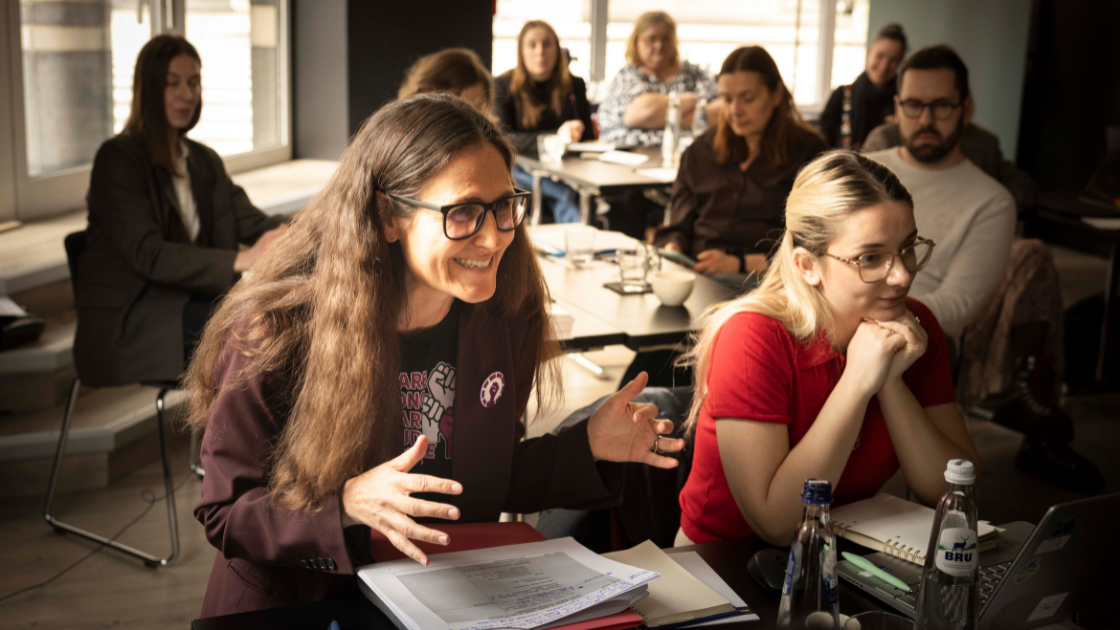
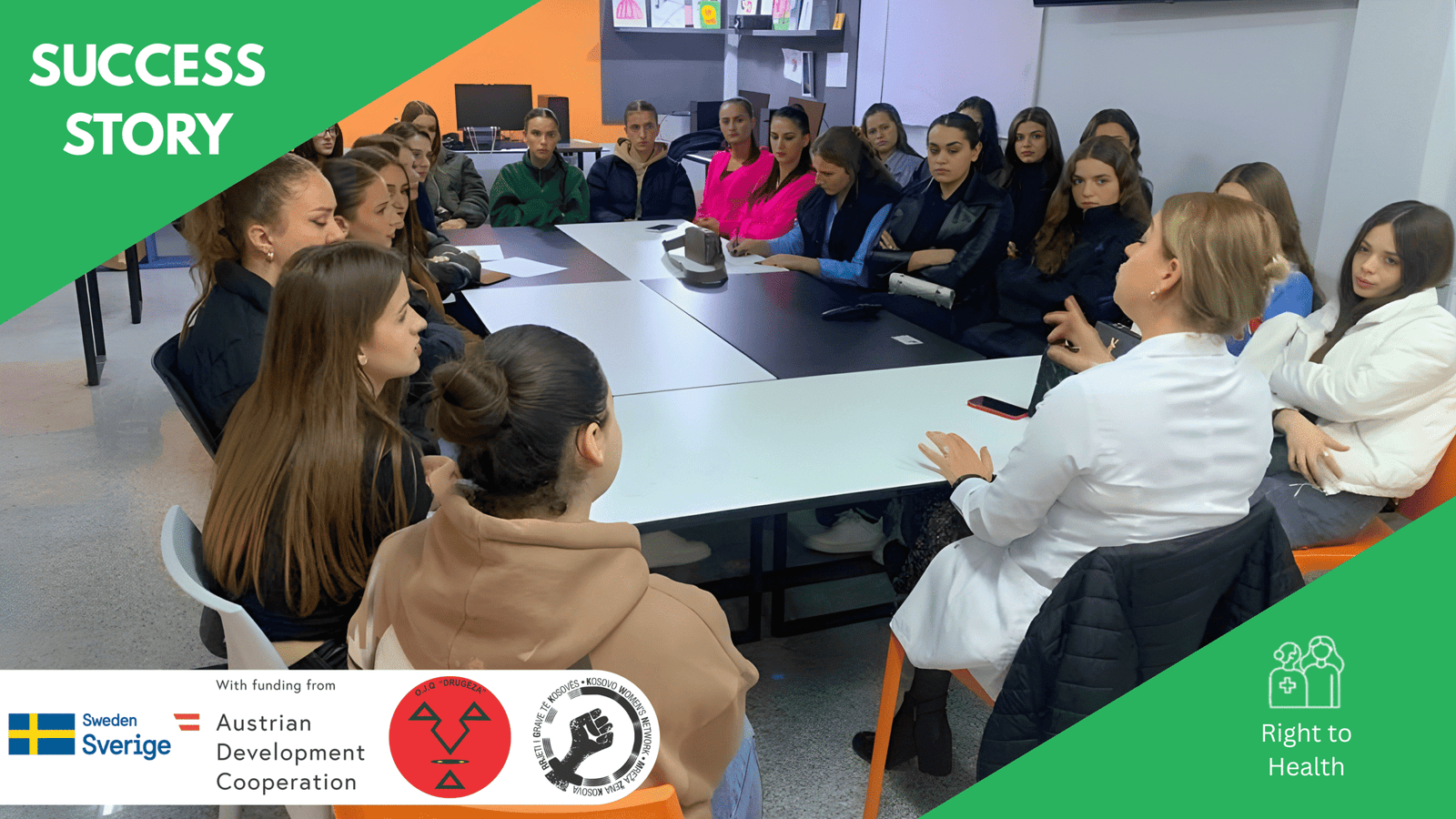
Parallel to school-based activities, women of different ages gathered at the premises of Jeta to learn how to identify psychological, physical, sexual and economic violence. Through facilitated discussions, participants explored abusive behaviours, social barriers to equality, coping strategies and the long-term consequences of violence on women, families and society.
With the support of professional experts, women also discussed sexual harassment and the laws that criminalise it. For many participants, these sessions represented the first opportunity to openly reflect on their experiences and understand that violence is neither normal nor acceptable.
Strengthening Institutional Engagement
To ensure broader impact, a one-day workshop brought together 40 representatives from institutions, including school directors, municipal officials, civil society organisations and media. The workshop concluded the initiative and resulted in concrete recommendations, such as the establishment of a municipal coordination mechanism against domestic violence and the need to increase the number of psychologists in secondary schools.
Education officials acknowledged the growing levels of violence among students and expressed readiness to cooperate with civil society organisations to continue awareness activities in schools, beyond the project’s timeframe.
Extending Awareness Beyond Direct Participants
Jeta actively used its social media platforms to share educational content and campaign messages related to gender-based violence, prevention and reporting. Materials published online reflected the same themes addressed during lectures and workshops, including forms of domestic violence, sexual harassment, institutional responsibilities and the importance of early reporting. Through this online outreach, the initiative reached approximately 2,000 indirect beneficiaries, allowing information to circulate beyond classrooms and meeting rooms and into the wider community.
Public awareness was further strengthened through symbolic actions. On International Women’s Day, Jeta organised the “Red Shoes” installation in the centre of Deçan. Red shoes and flowers were displayed, and participants wrote messages in remembrance of women who lost their lives because of domestic violence in Kosovo. The installation created a powerful visual reminder of the human cost of violence and encouraged reflection among passersby, reinforcing the urgency of prevention and collective responsibility.
From Awareness to Lasting Impact
Despite its six-month duration and the limitations caused by COVID-19 restrictions, the initiative contributed to increased awareness among women, young people and local institutions. Participants reported a clearer understanding of gender-based violence, the mechanisms available for reporting, and the roles of institutions in prevention and protection. For many students, the activities highlighted how limited their prior knowledge had been, while also emphasising the importance of early intervention, education and open discussion. By addressing attitudes, stereotypes and lack of information, the initiative helped lay the groundwork for a stronger culture of prevention in the Municipality of Deçan.
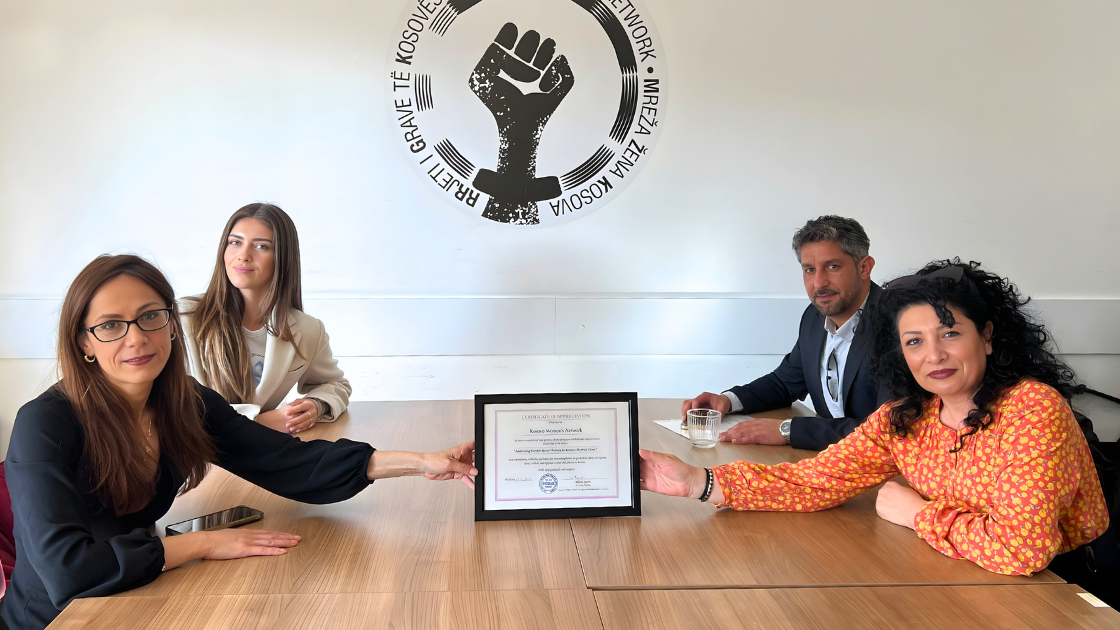
The NGO Jeta’s initiative “Empowering women and young people to prevent gender-based violence in line with the Istanbul Convention” was carried out with the support from the Kosovo Women’s Network’s (KWN) Kosovo Women’s Fund (KWF), financed by the Austrian Development Agency (ADA) and co-financed by the Swedish International Development Cooperation Agency (Sida), in the amount of 4,856€, from October 2021 to March 2022. The initiative contributed directly to KWN’s Programme “Gender Transformative Education”.