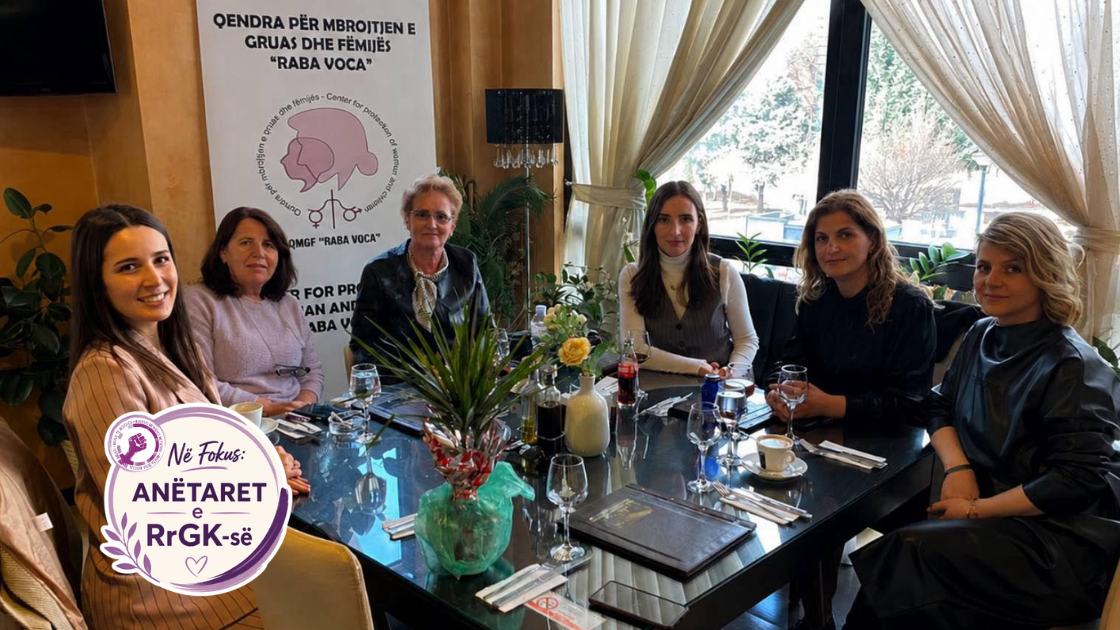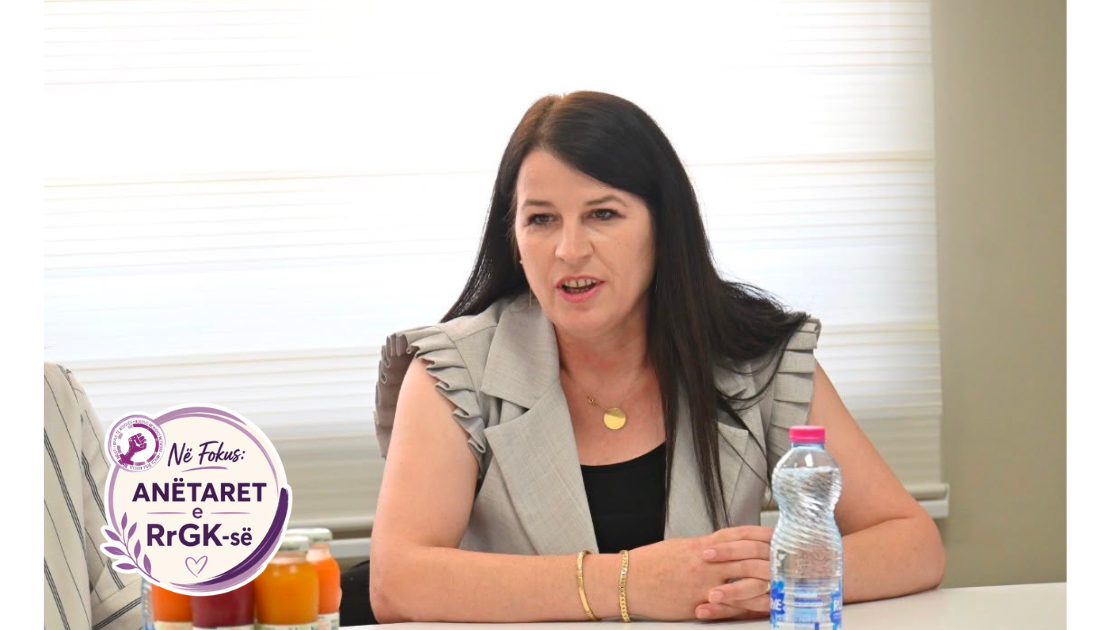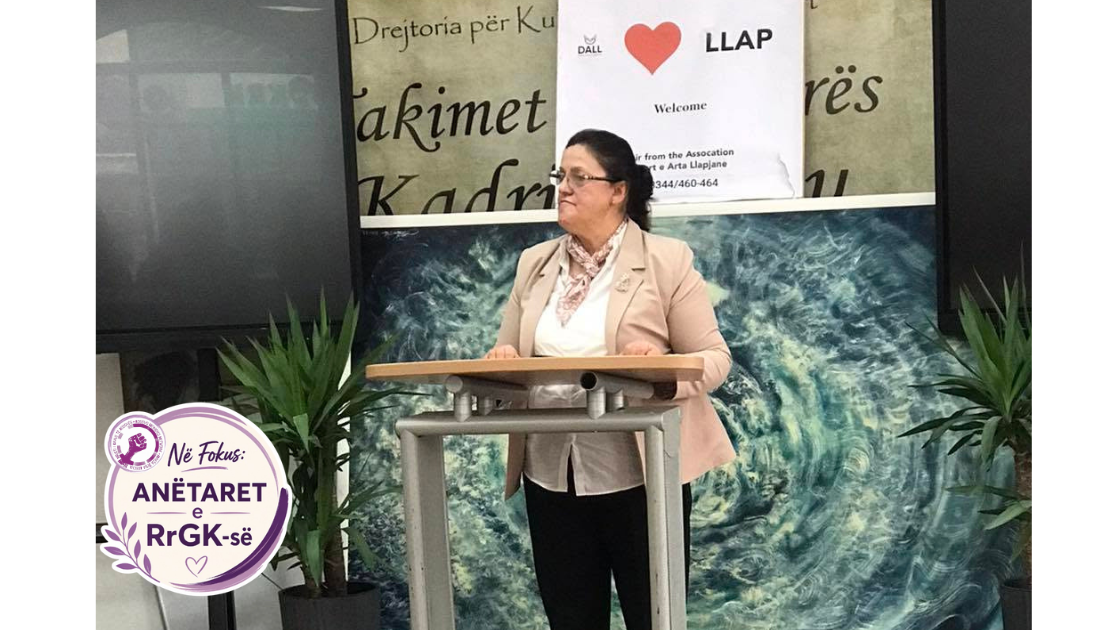
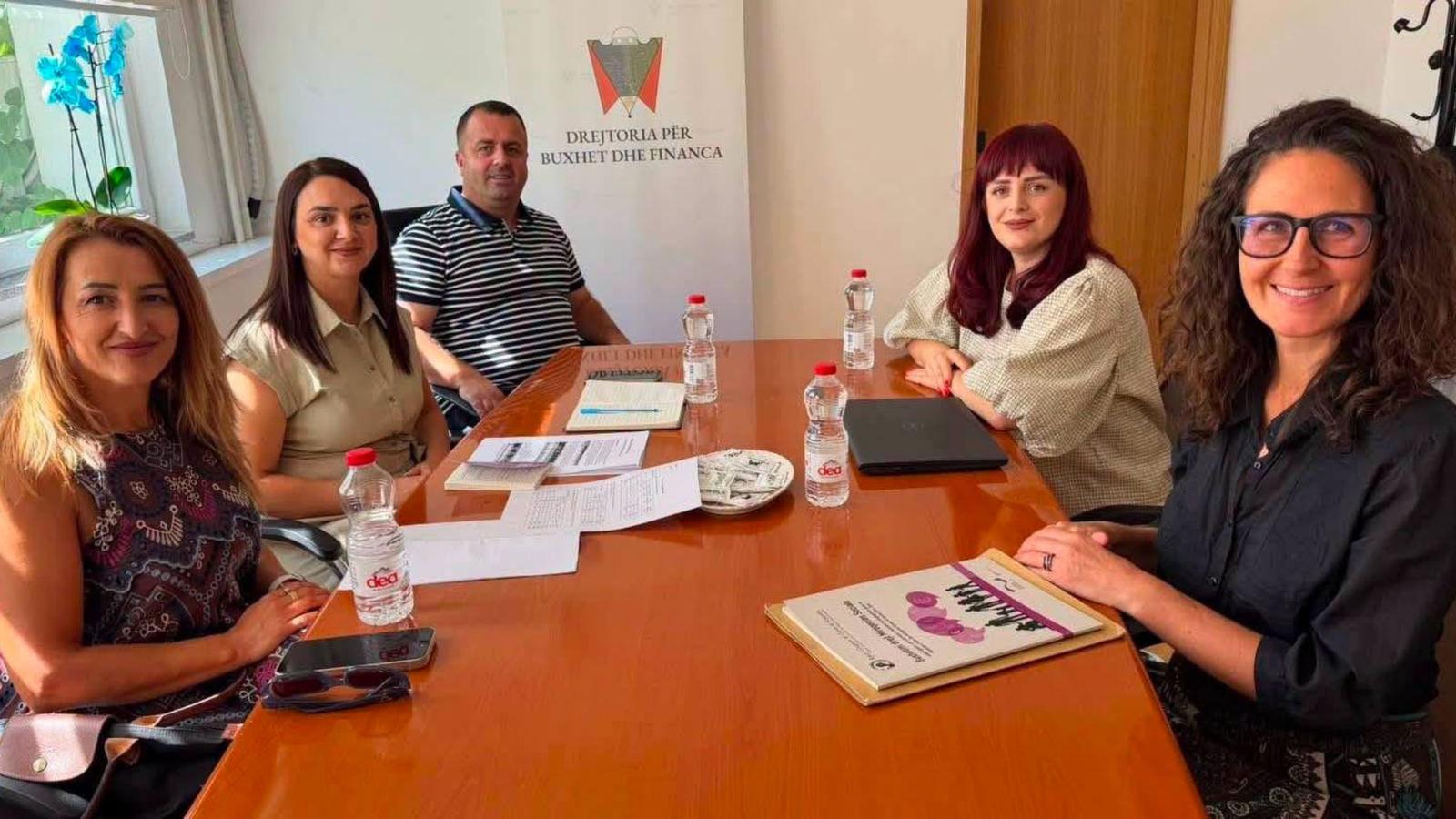
The Kosovo Women’s Network (KWN) conducted a series of visits to ten municipalities in Kosovo: Ferizaj, Fushë Kosovë, Gjilan, Lipjan, Novobërdë, Pejë, Podujevë, Prishtinë, Prizren, and Suharekë. The visits aimed to strengthen cooperation with local institutions, support the gender mainstreaming in budget planning, and improve social services, particularly for survivors of domestic violence, violence against women, and gender-based violence.
During the visits, KWN held separate meetings with finance directors, directors of health and social welfare, heads of Centers for Social Work, and Gender Equality Officers. These meetings provided an opportunity to discuss the specific challenges faced by each municipality and the steps needed to turn commitments to gender equality into concrete, planned, and funded measures.
Gender-Responsive Budgeting as a Tool for Better Services
In meetings with the Finance Directorates, discussions focused on implementing gender-responsive budgeting and incorporating the needs of women and men into key municipal budget documents. KWN shared examples and guidance on completing the gender-responsive budgeting annex and encouraged municipalities to incorporate the completed annexes into their budget processes and publish them on their websites.
Documenting the needs and costs of social services is not only a matter of transparency. It can provide municipalities with concrete evidence to advocate for increased funding from the central government and help ensure that budget allocations respond to the actual needs of citizens.
Urgent Needs for Funding and Human Resources
In meetings with the Directorates of Health and Social Welfare and the Centers for Social Work, particular attention was given to establishing and ensuring the effective functioning of emergency funds to support victims of violence and other people in need.
Institutional representatives also raised concerns about the insufficient number of social workers, high caseloads, inadequate resources, and the costs of services provided for case management and reintegration. Social housing and long-term reintegration support were identified as areas requiring more sustainable planning and dedicated funding.
To document the situation more accurately, KWN requested data from the Centers for Social Work on the average number of cases managed by each social worker per month, as well as the number of staff directly involved in case management. These data will be used to assess actual workloads and provide evidence of the need for additional staff and budgetary resources.
Gender-Disaggregated Data to Inform Decision-Making
Across all meetings, the importance of collecting, analysing, and publishing sex-disaggregated data was emphasized. Without accurate data, municipalities cannot assess whether women and men benefit equally from funds, subsidies, and public services.
Gender Equality Officers play an important role in coordinating across directorates and ensuring that gender mainstreaming is applied across municipal policies, plans, and budgets. Therefore, effective cooperation among Gender Equality Officers, Finance Directorates, sectoral directorates, and Centers for Social Work is essential.
From Meetings to Concrete Action
The visits provided a clearer picture of the progress, gaps, and needs in each municipality. They also paved the way for concrete steps, including completing and publishing gender-responsive budgeting annexes, documenting social workers’ caseloads, reviewing emergency funds, and strengthening inter-institutional coordination.
KWN will continue to work with the ten municipalities to turn the findings from these meetings into recommendations, budgetary measures, and more accessible, higher-quality services. KWN is willing to provide municipal institutions with technical support in planning and drafting documents in line with gender-responsive budgeting principles.
The goal is clear: municipal budgets should reflect the actual needs of women and men, while social services should have the resources and capacity needed to respond to every case professionally and in a timely manner.
This initiative is part of KWN’s Strategy and is supported by the East-West Management Institute (EWMI) and the European Union in Kosovo.