
For many Roma, Ashkali and Egyptian families in Kosovo, gender-based violence continues to be addressed in silence. Fear of stigma, economic hardship, lack of information and limited trust in institutions have contributed to the reluctance of many women to seek assistance, even when facing severe forms of violence. These circumstances have restricted access to protection mechanisms and intensified feelings of insecurity and social isolation.
This reality became evident during the initial field visits carried out by the Network of Roma, Ashkali and Egyptian Women’s Organisations of Kosovo (RROGRAEK) as part of the initiative “Addressing Gender-based Violence in Kosovo: Door to Door”. A family from the Sef neighborhood in Gjakova expressed relief at learning, for the first time, about the availability of free legal aid services for survivors of domestic violence:
“We have often remained silent due to fear and lack of information, but receiving the brochure and contact number increased our sense of safety and hope.”
A similar experience was reported in the village of Hereq in the municipality of Gjakova, where a family emphasised that severe economic conditions and unemployment had directly contributed to tensions within the household:
“We felt heard and respected. Being informed about the free legal aid office helps us understand that we are not alone and that institutions exist to support us.”
In the Ali Ibra neighborhood of Gjakova, a mother shared her emotions during the visit, highlighting that fear and social prejudice had previously prevented her from seeking help:
“The brochure and contact details I received gave me the courage to consider the next steps toward protecting myself and my children.”
A family from the Blloku i Ri neighborhood in Gjakova also responded positively to the outreach engagement, reflecting on the broader social context in Kosovo:
“The general social situation often makes people feel powerless. These activities raise awareness and strengthen trust in legal support, especially in cases of domestic violence.”
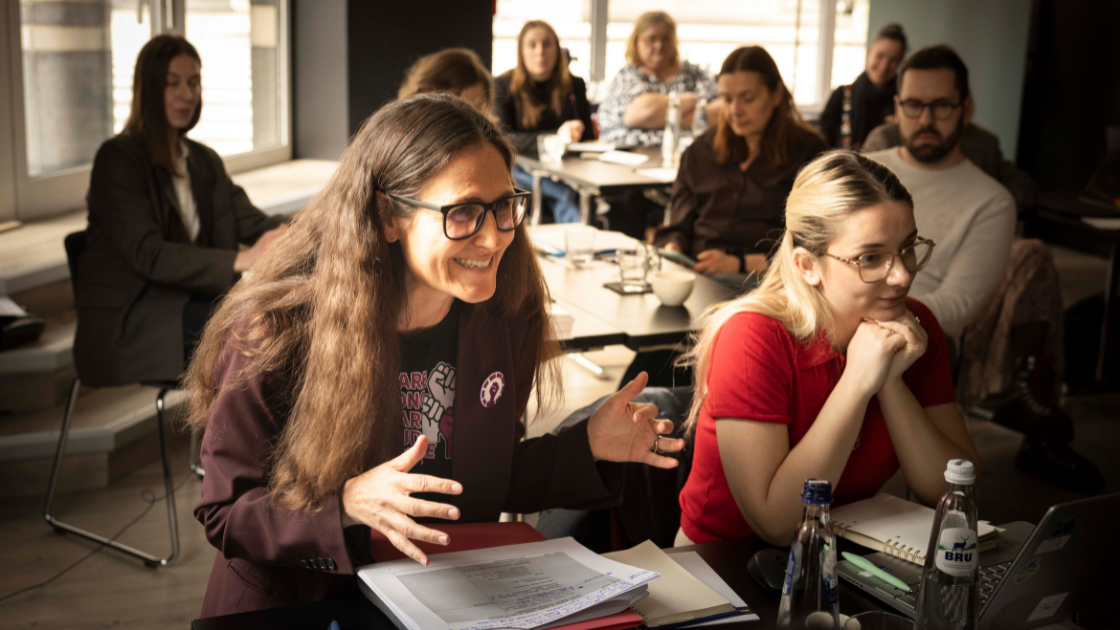
Through door-to-door visits, RROGRAEK reached a total of 1,450 individuals, including 39 persons with disabilities, across the municipalities of Gjakova, Fushe Kosovo, Mitrovica, Peja and Prizren. This approach created safe spaces for dialogue and information-sharing, enabling community members to become informed about their rights and the existing mechanisms for protection and reporting.
To ensure accessibility of information, RROGRAEK distributed educational brochures in Turkish, Romani and Serbian, reflecting the languages used within the targeted communities and addressing the need for clear and comprehensible communication.
Beyond field engagement, the initiative also generated impact in the digital sphere. Through a social media campaign, prevention messages on gender-based violence and technology-facilitated gender-based violence achieved over 170,000 views, extending awareness beyond direct physical outreach and engaging a broader audience, particularly young people.
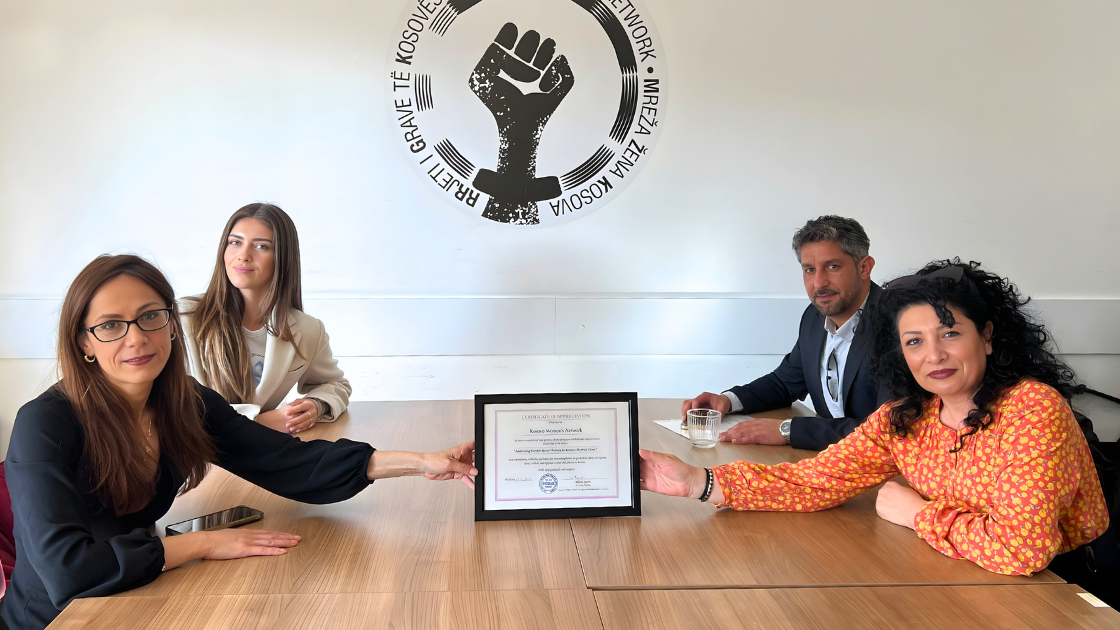
Implemented within the framework of the East-West Management Institute program in partnership with the Kosovo Women’s Network, the initiative illustrates how community-based interventions and strategic collaboration can foster sustainable change and produce tangible impact on the lives of women and families from some of the most marginalised communities in Kosovo.