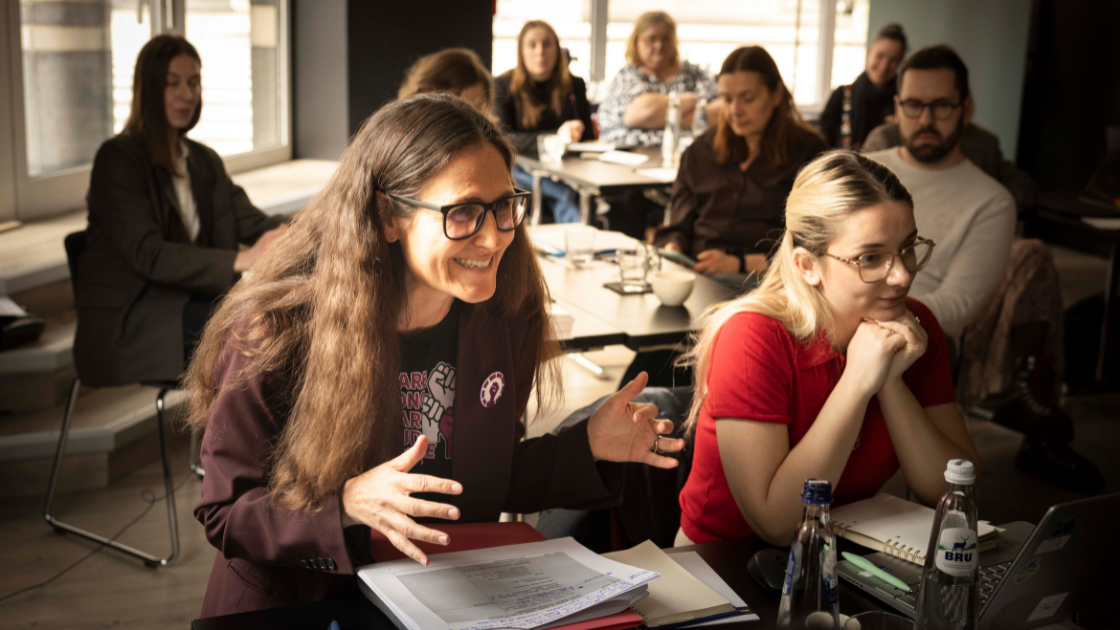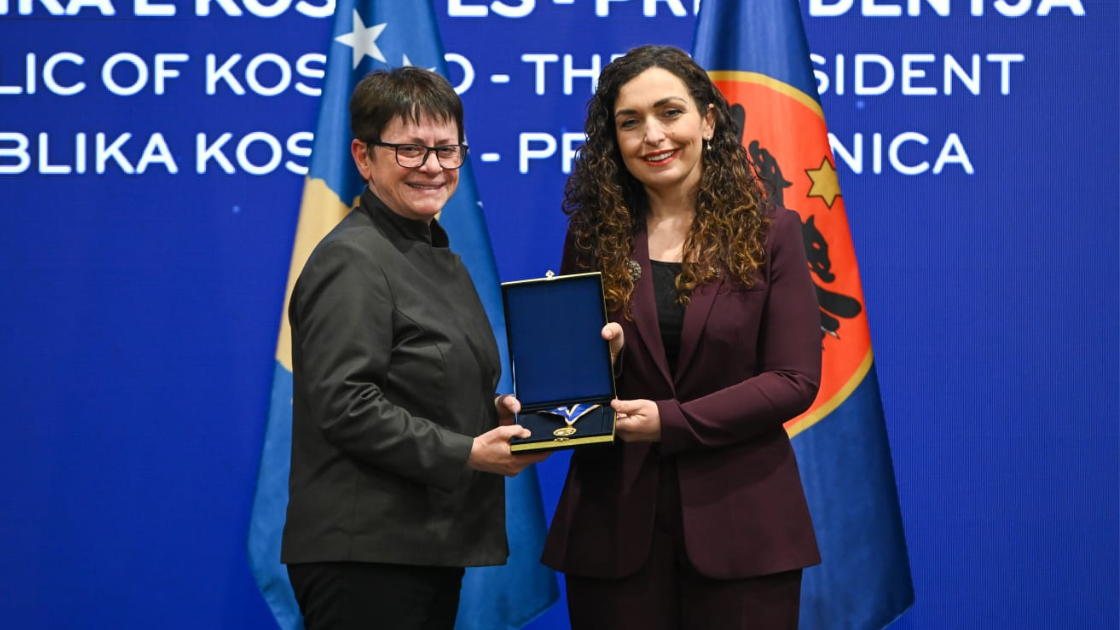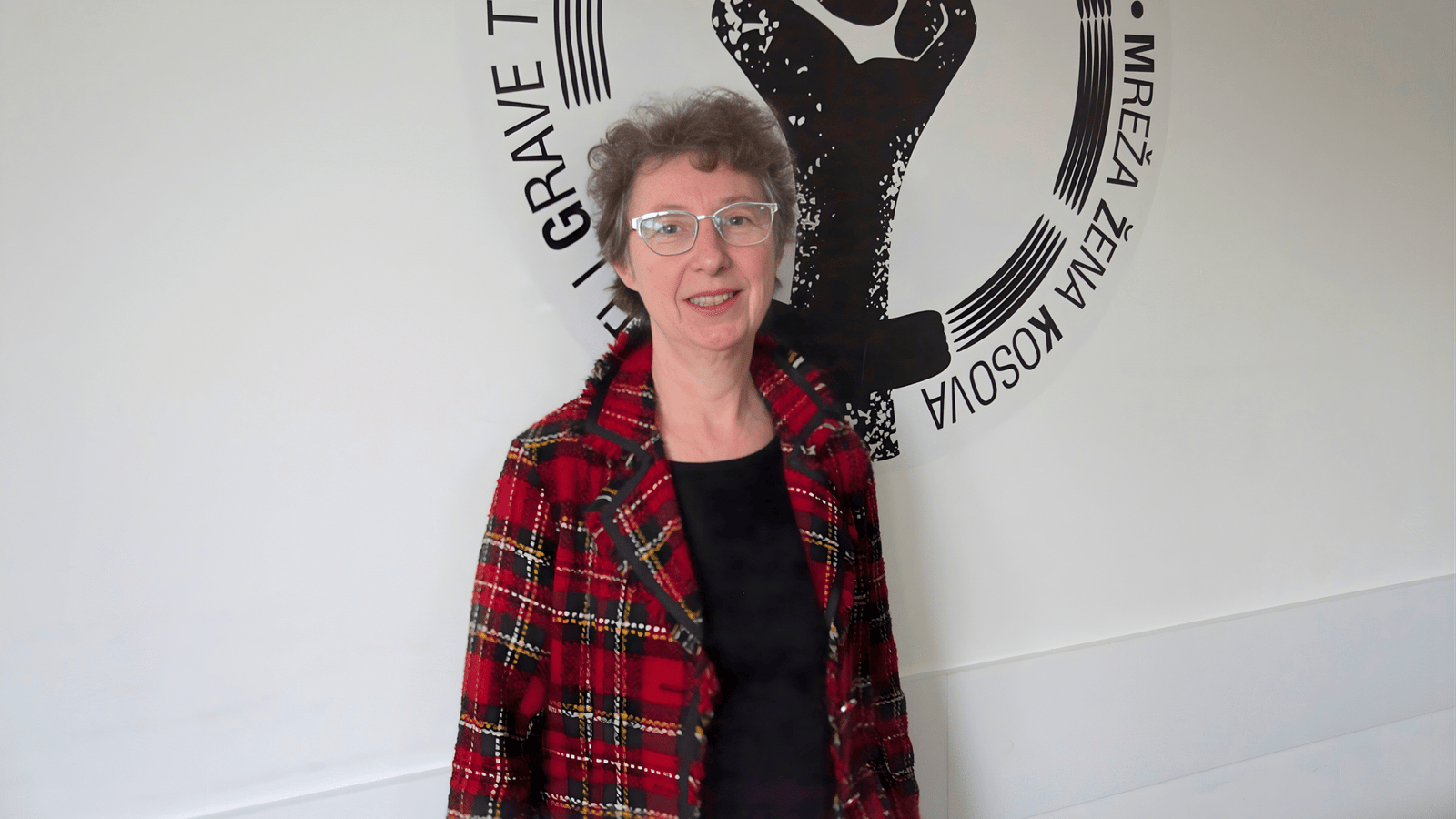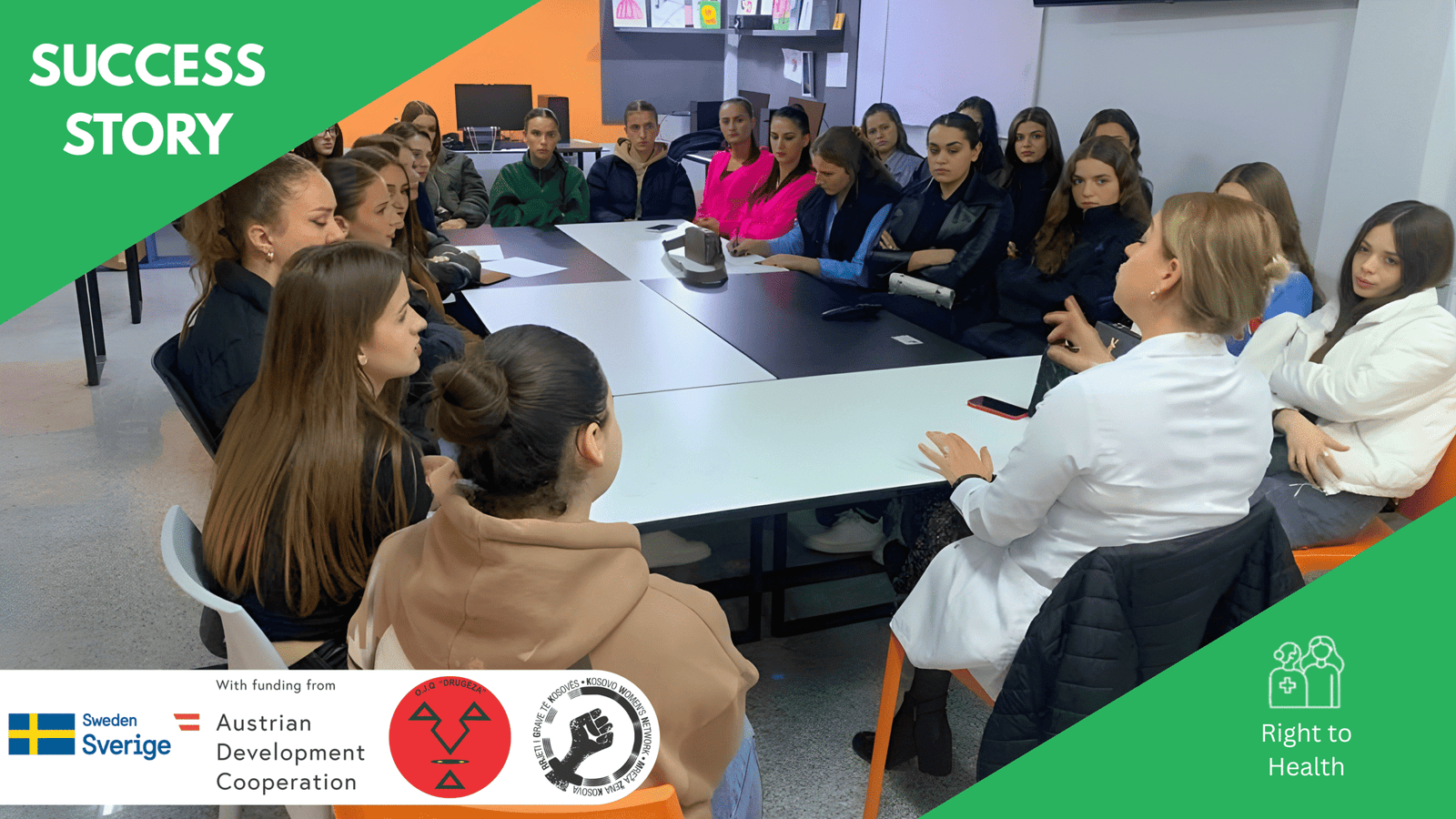

Through door-to-door outreach, the Organisation of Persons with Muscular Dystrophy of Kosovo (OPDMK) has reached women with disabilities who have long been isolated, particularly in rural areas. These visits have created new connections, brought women into collective spaces for the first time, and strengthened trust within the community.
One woman described how being visited changed her sense of belonging:
“I am extremely happy that you visited me and that I am now part of a group of women who live with similar challenges. I am glad to be included in your activities, where I am learning about my rights and about opportunities for a better and more active life”.
Many beneficiaries highlighted how meaningful it was that the outreach was carried out by persons with disabilities themselves, which increased trust and openness.
“I was positively surprised. I never expected a person with a disability to come to visit us in the field and support us directly. This initiative made me feel valued and gave me the courage to speak about my experiences. I truly hope these visits continue, because they have a real impact on our lives”.
Another woman emphasised how empowering it was to receive information from someone facing similar challenges:
“At first, I could not believe that someone like me, a person using a wheelchair, would come personally to my home to inform me and listen to me. It was the first time I truly felt understood and equal. Receiving information about digital violence and protection from someone who faces similar challenges gave me confidence, trust, and strength”.
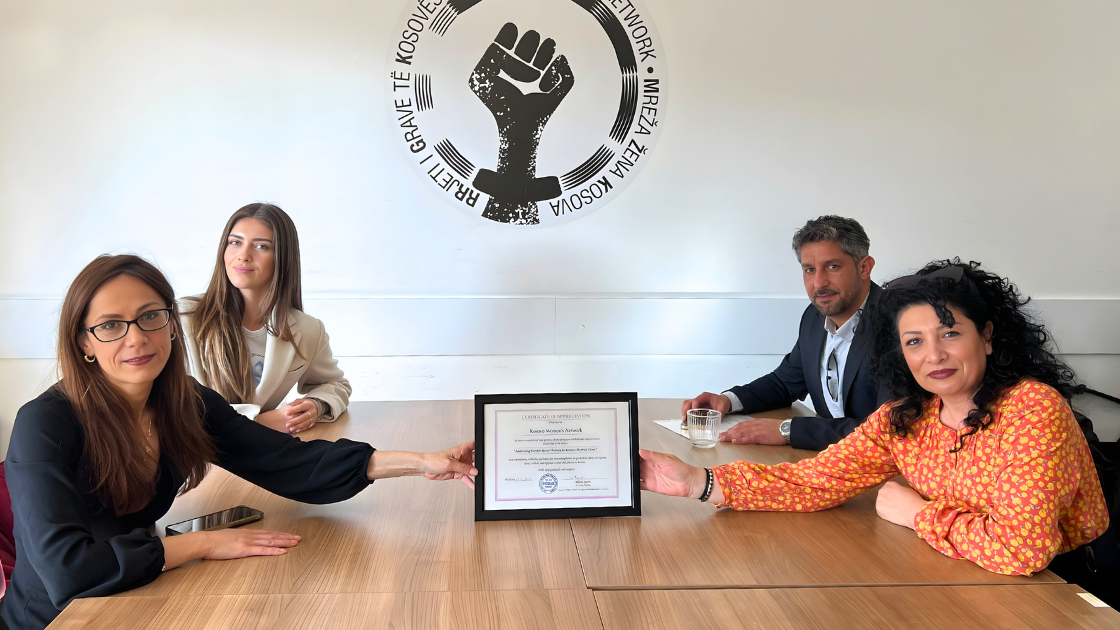
OPDMK has successfully completed the initiative “Addressing Gender-based Violence in Kosovo among People with Disabilities”, making a significant contribution to empowering and supporting persons with disabilities in the prevention and response to gender-based violence (GBV) and technology-facilitated gender-based violence (TFGBV).
This initiative was implemented through a creative and inclusive public education approach, aimed at strengthening the knowledge and capacities of persons with disabilities to identify, report and respond to cases of GBV and TFGBV. Considering the multiple structural and institutional barriers faced by persons with disabilities, including lack of accessibility, institutional neglect and social exclusion, OPDMK engaged communities through an intensive door-to-door outreach campaign.
Through direct field visits, a total of 1,352 individuals were reached, including 407 persons with disabilities, across the municipalities of Prizren, Suhareka, Mitrovica, Prishtina, Gjakova, Ferizaj, and Gjilan. Educational leaflets and materials were distributed in Albanian, Serbian, Bosnian and Romani, ensuring that information on GBV and TFGBV was understandable and accessible to all, particularly to the most marginalised groups. The direct approach enabled open and accessible communication, creating safe spaces for information sharing, awareness-raising, and trust-building within the community.
In addition to on-the-ground activities, the initiative achieved substantial impact in the digital space. Through sponsored social media posts, the campaign got over 900,000 views, significantly expanding the reach of its messages and increasing public awareness of the specific challenges faced by persons with disabilities.
The initiative was implemented by OPDMK within the framework of a project implemented by the East-West Management Institute (EWMI) and the Kosovo Women’s Network (KWN), illustrating how strategic cooperation can lead to meaningful and sustainable change in the lives of persons with disabilities in Kosovo.