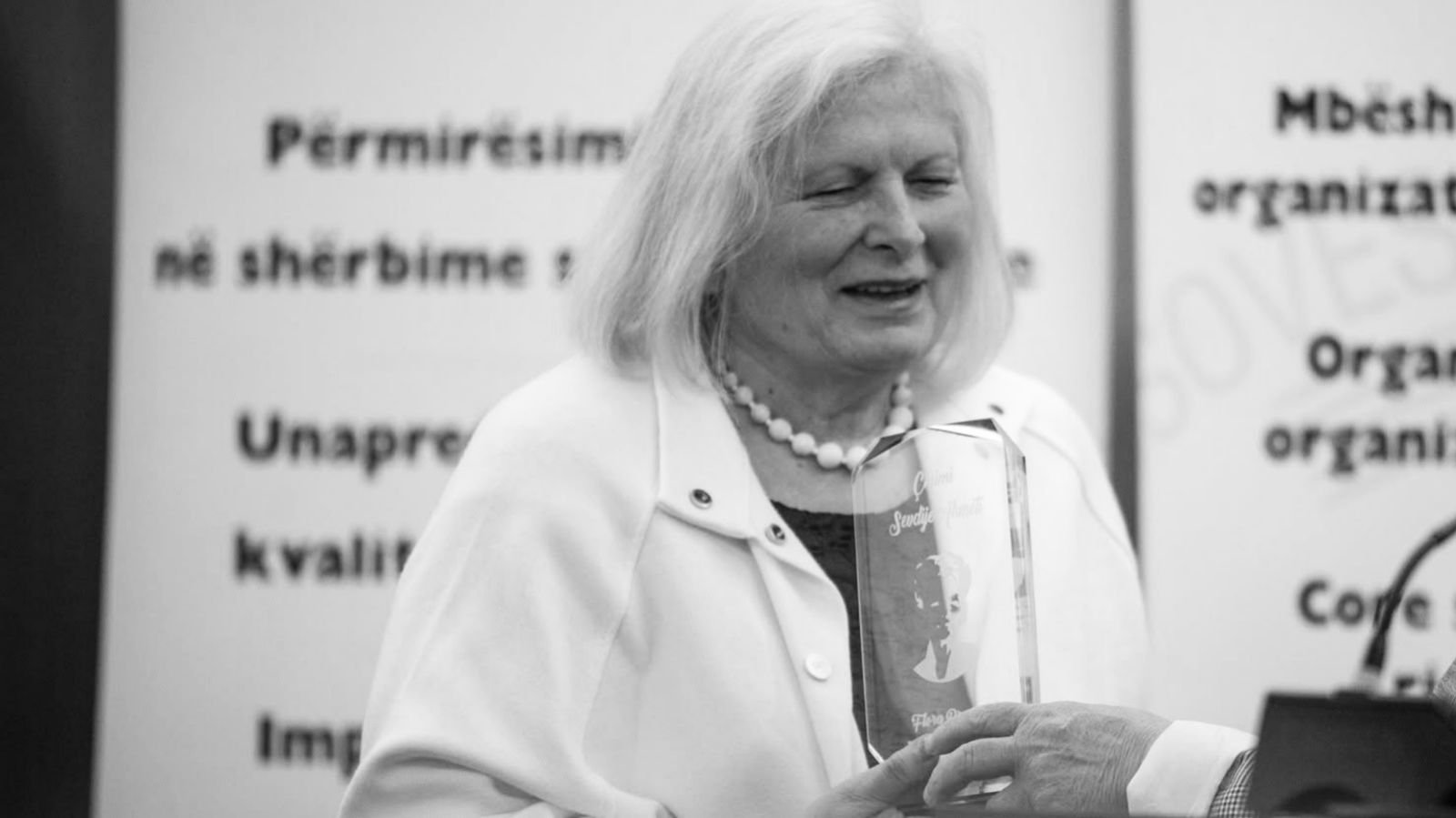
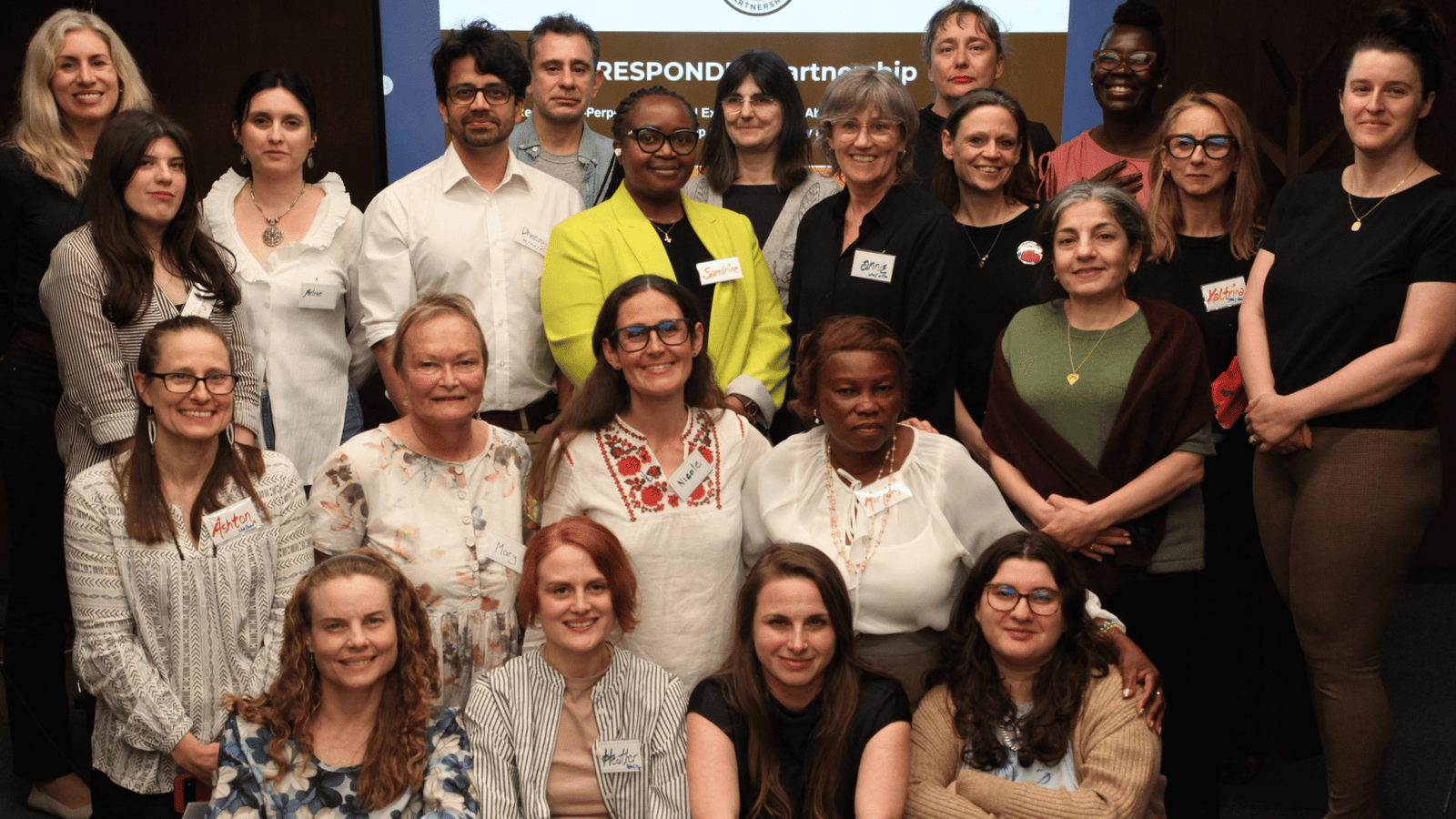
On 15-17 April, the Kosovo Women’s Network (KWN), in collaboration with the University of Pristina, welcomed members of the “Responder-Perpetrated Sexual Exploitation and Abuse in Humanitarian Crises” (RESPONDER) Partnership to Kosovo. In addition to their expertise, members of the delegation brought a powerful feminist energy and spirit of solidarity that deeply resonated with KWN, reaffirming the strength of collective action in advancing justice and accountability.
The RESPONDER Partnership is planning research to inform efforts to counter sexual exploitation and abuse by humanitarian and peacekeeping personnel. They are conducting research across six countries with a history of humanitarian and UN intervention, including Kosovo, the Democratic Republic of Congo, Central African Republic, Lebanon, South Sudan and Haiti. KWN and the University of Pristina are contributing their expertise and collaborating on RESPONDER’s research. This first meeting served to strengthen collaboration, deepen contextual understanding and advance the research process.
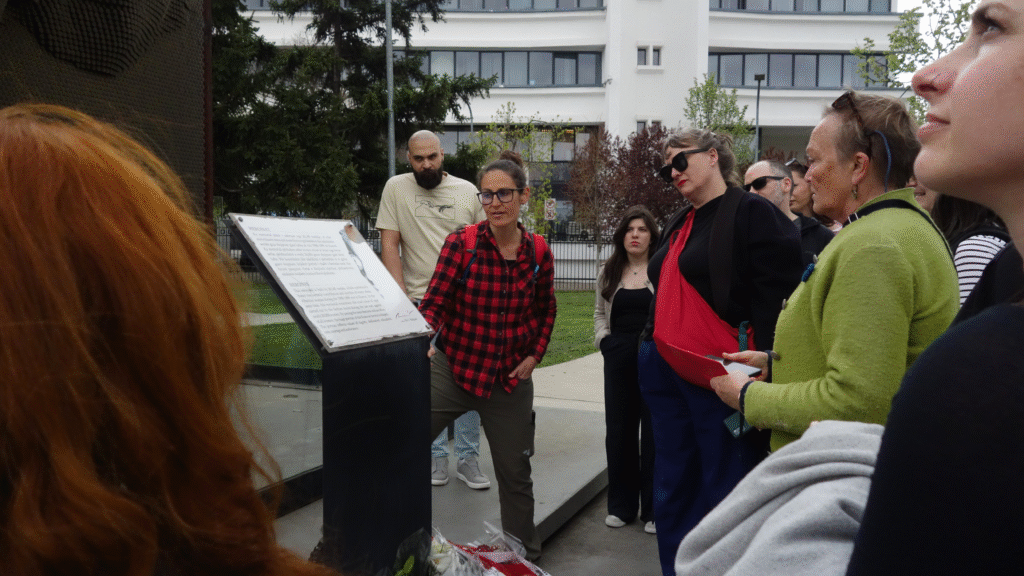
On Wednesday 15 April, RESPONDER delegates familiarised themselves with Pristina through a feminist walking tour of the city, organised by Kaltrina Kelmendi, Associate Professor at the Department of Psychology at the University of Pristina and Nicole Farnsworth, Deputy Director and Lead Researcher at KWN. The story of Pristina was told through the perspective of women, as participants walked by the former U.S. Information Centre as a site of women’s peaceful protests against oppression, the statue of the Goddess of Pristina, the Newborn Monument, the Heroine Memorial and Grand Hotel. The Reporting House and the Jahjaga Foundation Moment Museum kindly hosted the Partnership, showcasing film, artefacts and contemporary artwork reflecting on the war and honouring its victims, including survivors of wartime sexual violence.
On Thursday 16 April, the workshop was officially opened by Igballe Rogova, KWN Executive Director, and Kaltrina Kelmendi on behalf of the University of Pristina. Rogova recalled her recurrent statement to international actors entering Kosovo, emphasising that that they could not assume they were the first and only knowledgeable persons entering Kosovo; they must listen and learn from local voices.
“We were here. We are here. We will be here”, she said. She shared KWN’s 1325 Facts & Fables where partners could read more about Kosovar women’s efforts to voice their priorities to international actors in Kosovo.
Additionally, Rogova emphasised that “It’s a great honour to work with the University of Pristina [and] smart to bring together work between activists and academics”.
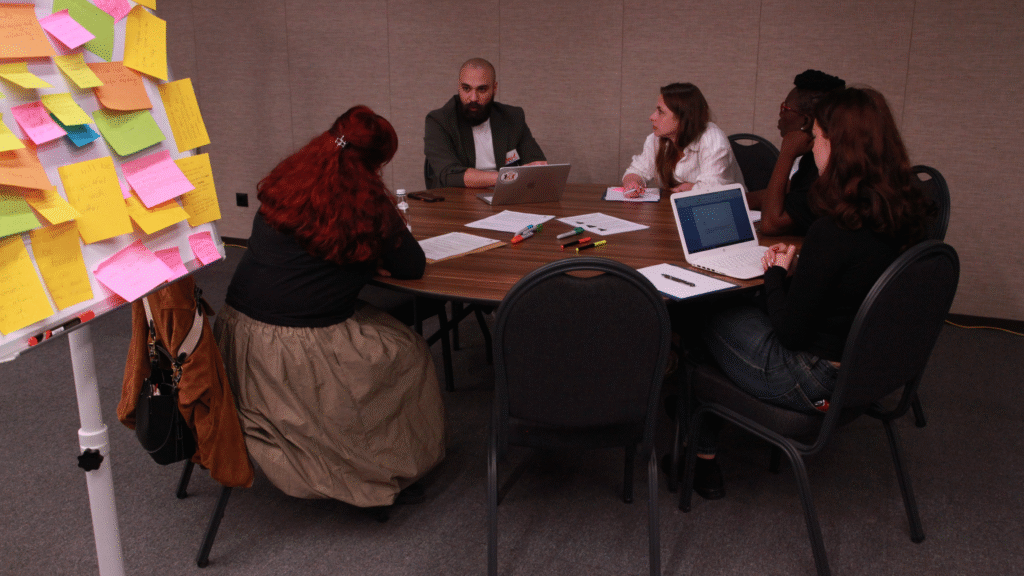
Discussions addressed equity, diversity, inclusion and accessibility (EDIA) in research, including the participation of persons with disabilities and conceptualizations of disability. During a “World Cafe”, participants provided feedback on draft research tools for surveys, interviews and focus groups, as well as ethical considerations.
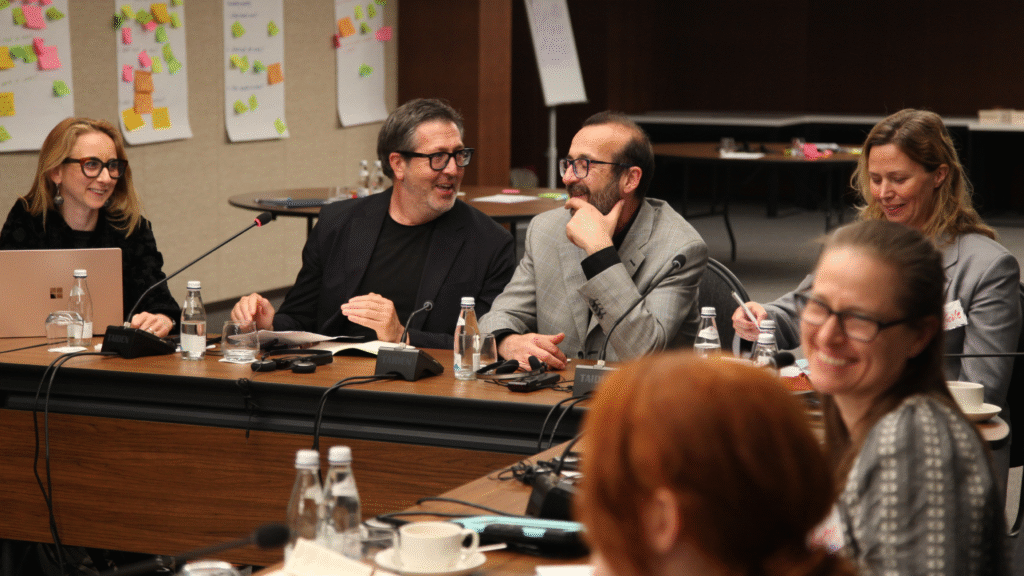
In the afternoon, an event enabled academics, students and activists to discuss ethical research. Professor Edward Alessi delivered a lecture on trauma-informed approaches to research, while Kaltrina Kelmendi moderated a panel featuring Jim Lavery, Professor of Global Health Ethics at Emory University; Dr. Aliriza Arenliu, Professor of Psychology at University of Pristina; Arber Nuhiu, Director of Center for Social Group Development; and Sara Nicole Baxley, Lecturer on Ethics at RIT Kosovo and long-term collaborator with KWN. They discussed the importance of strengthening ethical review in Kosovo, as an example relevant to other conflict-affected countries.
Thursday concluded at Kino Armata, with a screening of the very moving film “Zana”, telling the story of a Kosovar woman struggling to reconcile the expectations of motherhood with a legacy of wartime brutality. Participants also had the opportunity to interact with the director, Antoneta Kastrati.
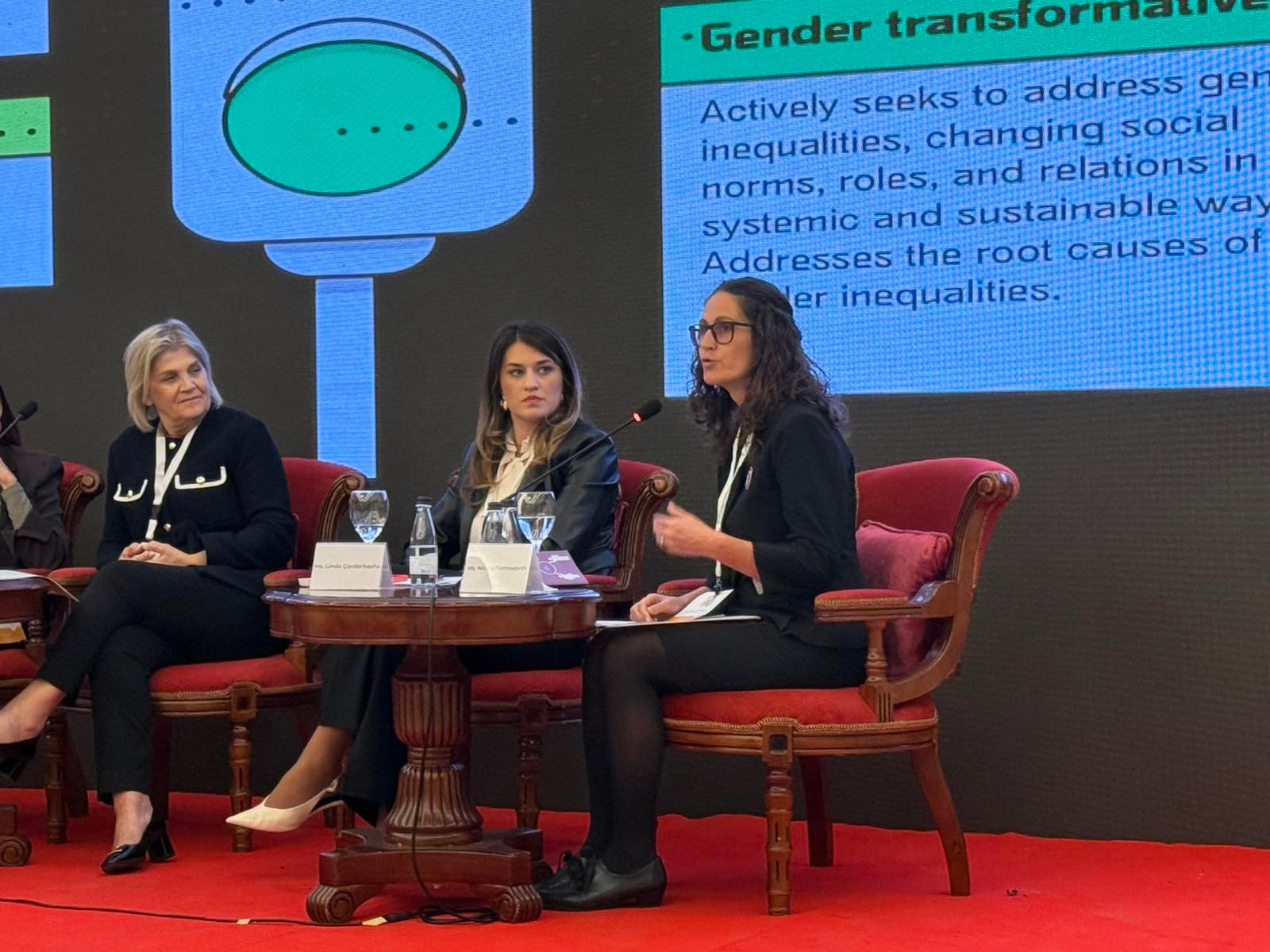
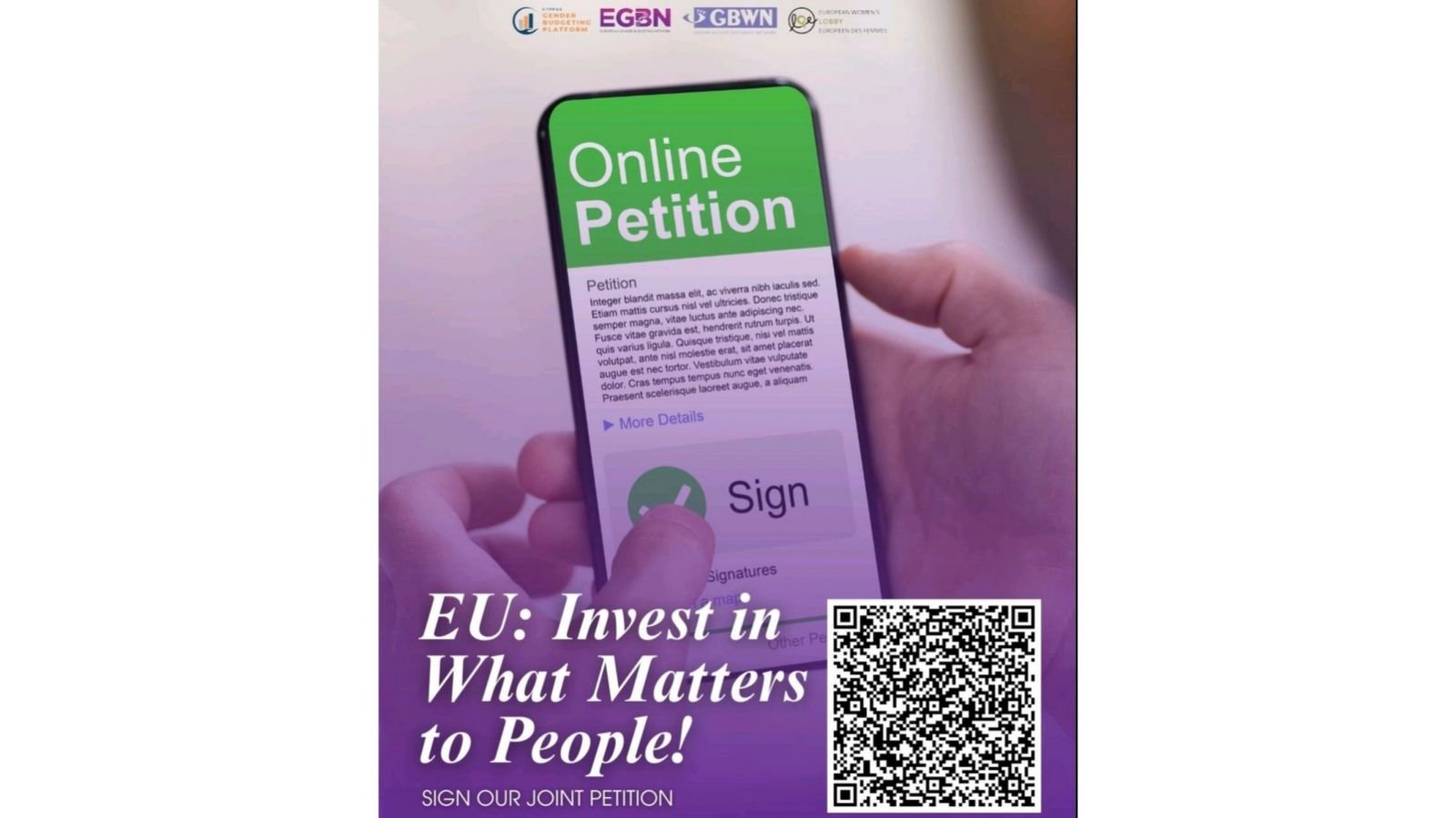
Friday continued with a session on education and training needs for RESPONDER partners, both academic institutions and civil society organisations. In light of decreasing financial support for civil society organisations, including women’s groups working on research and advocacy, as well as those providing services for women victims of violence, KWN’s Nicole Farnsworth held a session on the next EU Gender Action Plan and EU funding for civil society. She proposed that the RESPONDER Partnership jointly call for increased funding for women’s rights and gender equality and encouraged participants to sign and share the Nicosia Declaration and provide inputs to the EU Gender Action Plan IV.
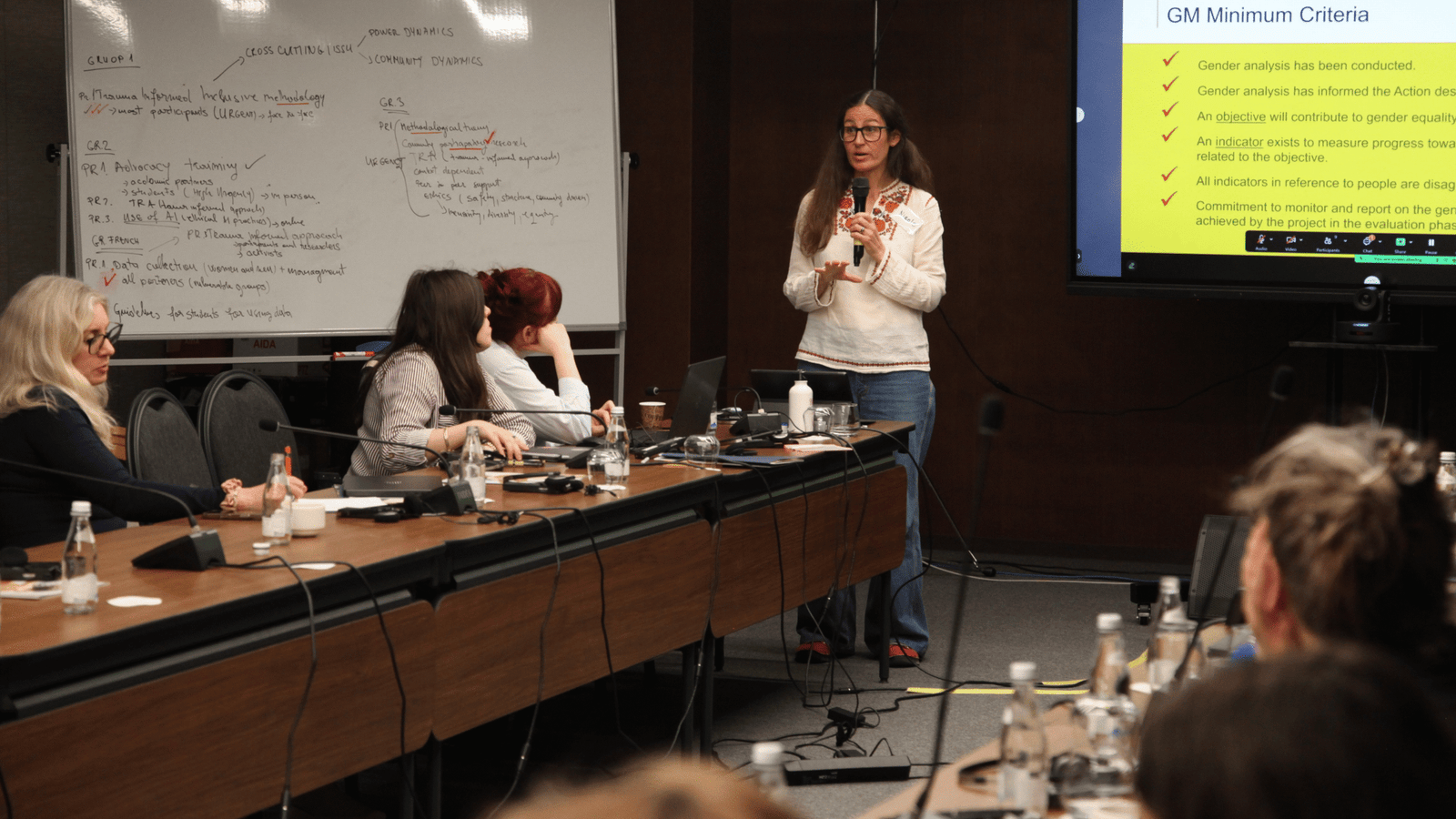
Then, partners discussed ways to tackle research challenges, as well as results from RESPONDER’s Knowledge Mobilisation Survey, which serves to understand how research can best be shared beyond academia. Proposed modes included podcasts, documentary films, public art exhibitions and tribunals.
Dr. Sabine Lee, co-director of the RESPONDER Partnership, wrapped up the last day by extending the gratefulness of the Partnership to all participants as well as the hosts, KWN and the University of Pristina. “Thanks to Kosovo for being so willing and welcoming”, she said.
On Friday evening, the visit concluded with dinner and dancing at Hani i 2 Robertëve, a venue with special symbolism as it served as a meeting place for Kosovo’s parallel cultural and political life during the Serbian regime and occupation.
KWN is proud to be part of the RESPONDER Partnership and to contribute its feminist, survivor-centred expertise toward humanitarian and peacekeeping missions free from abuse that uphold the rights and dignity of all communities affected by crisis.
The RESPONDER Partnership is funded by the Social Sciences and Humanities Research Council (SSHRC) of Canada with substantial in-kind contributions by local partners, including KWN.