For many teenage girls, the transition into adolescence can feel overwhelming. Physical and emotional changes happen quickly, and questions about relationships, safety and wellbeing arise. Yet in many schools in Kosovo, topics such as puberty, emotional health and sexual harassment are rarely discussed openly. Without safe spaces to ask questions or seek guidance, many girls are left to navigate this important stage of life on their own.
Recognising this gap, the Institute of Applied Psychology (“Alpha”) launched the initiative “Supporting Teenage Girls to Overcome Social and Emotional Problems”. The initiative aimed to give girls the knowledge, confidence and support they need to better understand themselves and the challenges that can come with adolescence.
Over the course of three months, the initiative reached 102 women and girls from different communities, including Albanian, Bosniak and Turkish participants. Activities took place in several schools in Gjakova, Prizren and Gornje Lubinje.
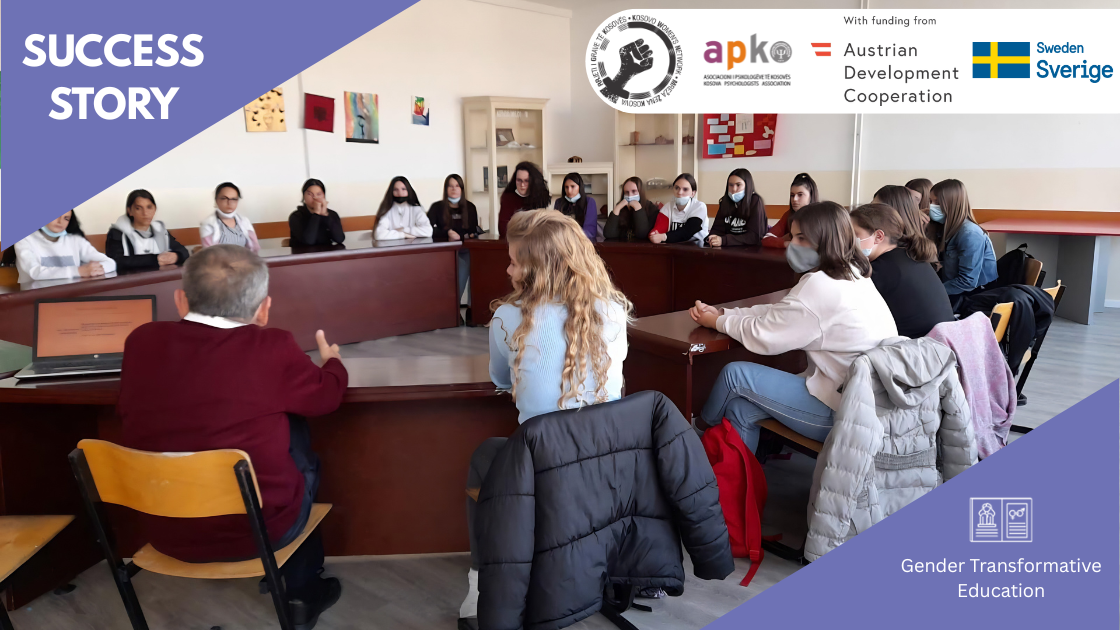
Alpha started off by organizing interactive lectures for girls in eighth and ninth grade. Led by Professor Neki Juniku, the sessions focused on the physical and emotional changes that occur during adolescence. From the very beginning, the atmosphere was open and engaging. Many girls felt comfortable sharing their thoughts and asking questions, turning the meetings into lively discussions rather than traditional lectures.
During the sessions, participants learned about common emotional challenges during adolescence, such as insecurity, stress and low-self-confidence, and explored ways to cope with them. The girls were also encouraged to talk about these experiences with people they trust.
A particularly important part of the initiative was bringing mothers and daughters together. In joint sessions, they discussed the role families can play in supporting girls during adolescence and in preventing issues such as sexual harassment and gender-based violence. These conversations helped create space for honest dialogue between generations, something that is often difficult when discussing sensitive topics.
Participants also practiced simple therapeutic techniques such as breathing exercises, progressive relaxation and mindfulness. These tools can help young people manage stress, anxiety and emotional challenges in their daily lives.
To ensure that the initiative’s impact would continue beyond the activities themselves, Alpha encouraged some of the most engaged girls to become peer facilitators within their schools. These girls were supported in developing ideas for activities they could organise with their classmates, helping to spread knowledge and support among their friends.
This peer-to-peer approach proved especially powerful. Because students often face similar experiences and concerns, learning from one another helped create a sense of understanding and solidarity.
By the end of the initiative, many girls reported feeling more confident, more informed and better prepared to navigate the challenges of adolescence. At the same time, mothers became more aware of how important their support and communication are during this stage of their daughters’ lives.
Most importantly, the initiative helped create safe spaces within schools, where girls felt comfortable discussing topics that had long been considered taboo. Through knowledge, open dialogue and peer support, the initiative showed that even small community efforts can make a meaningful difference in the lives of young women in Kosovo.
As the peer facilitator groups continue their activities in schools, the conversations started through this project are expected to continue, helping even more girls feel supported, informed and confident as they grow.
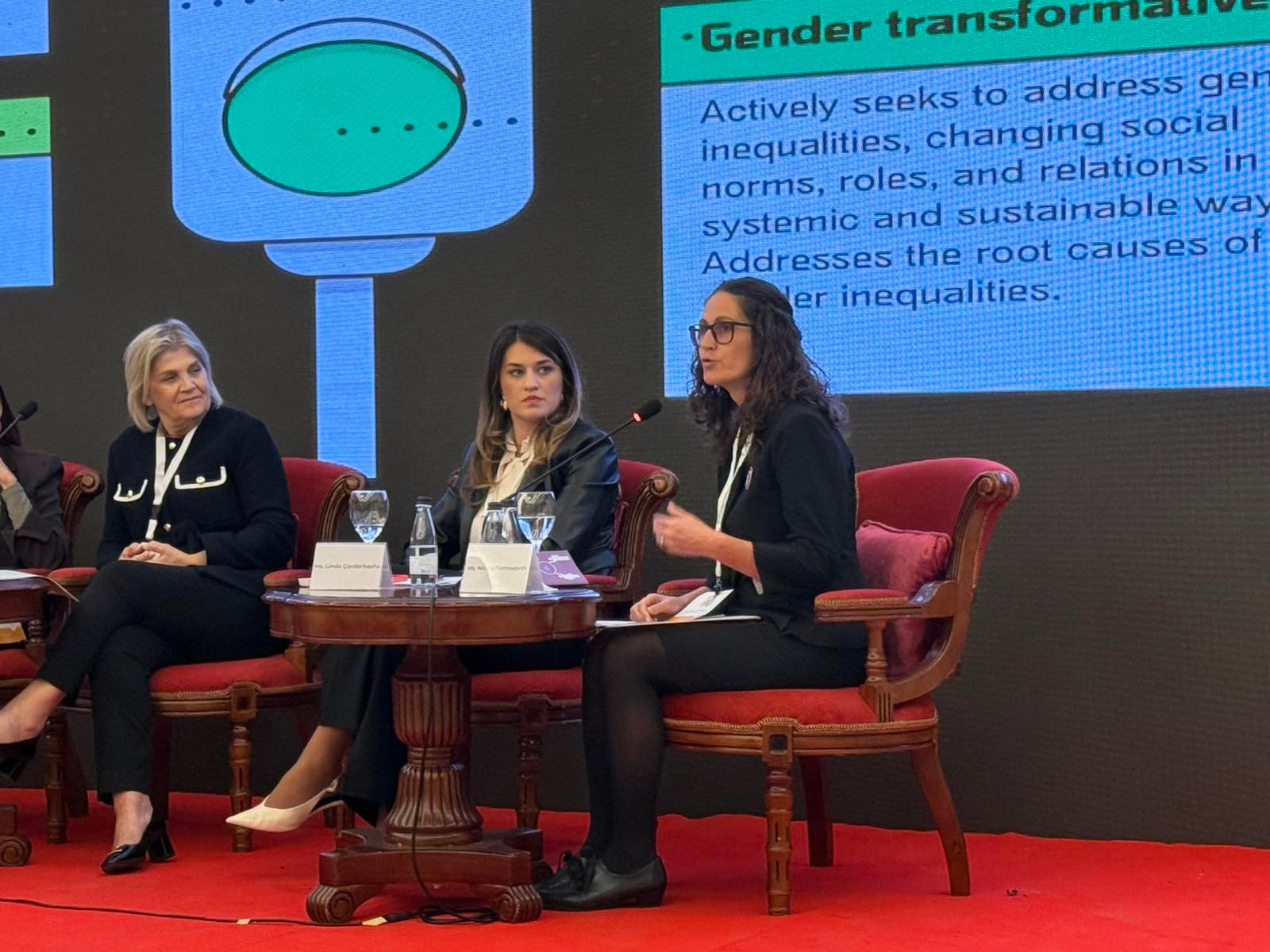
Instituti i Psikologjisë Aplikative initiative “Supporting Adolescent Girls in Overcoming Social and Emotional Challenges.” was carried out with the support from the Kosovo Women’s Network’s (KWN) Kosovo Women’s Fund (KWF), financed by the Austrian Development Agency (ADA) and co-financed by the Swedish International Development Cooperation Agency (Sida), in the amount of €5,000, from October to December 2021. The initiative contributed directly to KWN’s Programme “Gender Transformative Education”.