How do we build stronger movements for equality when the challenges facing our societies do not stop at the borders of one country, one community or one movement?
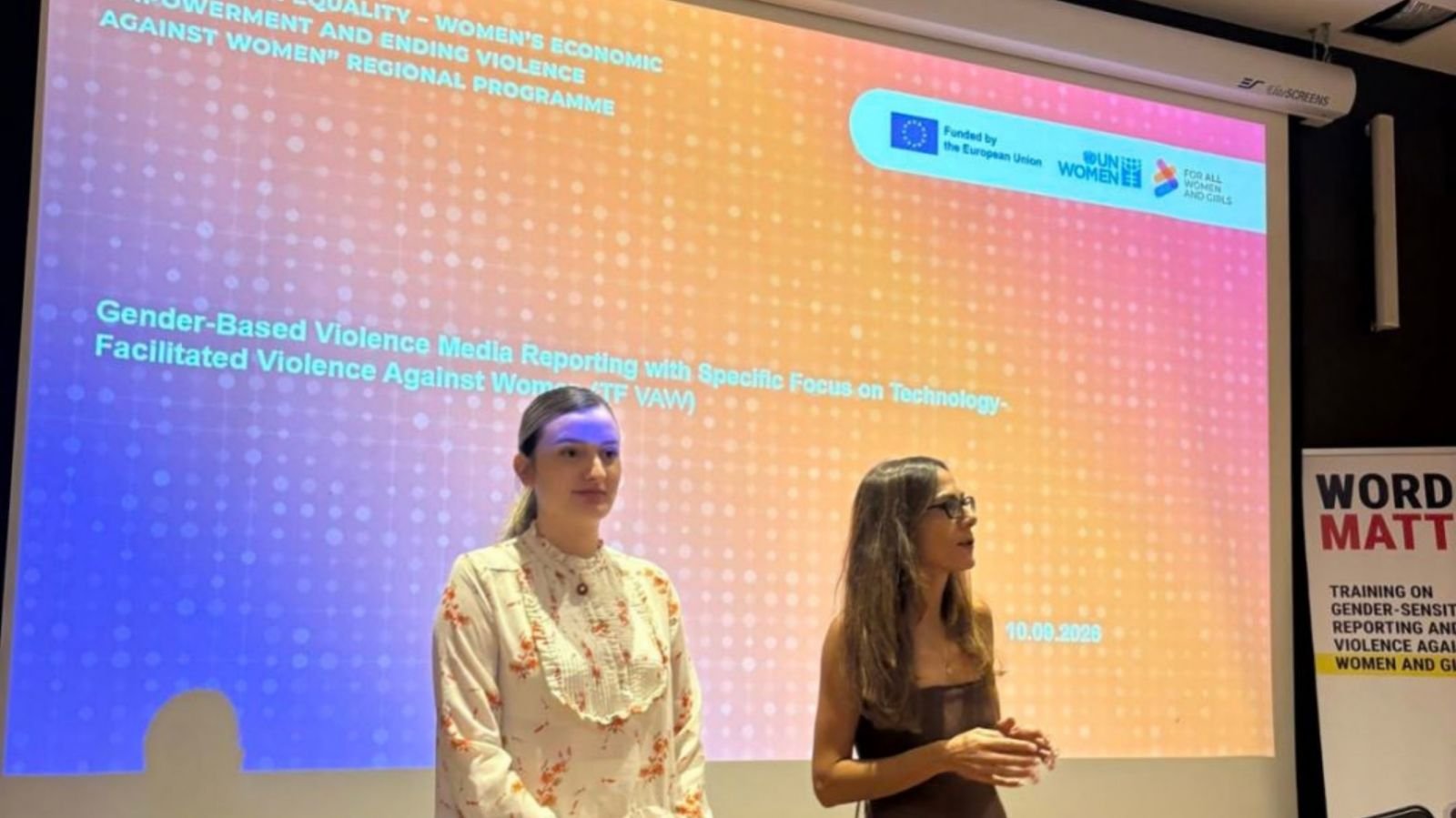
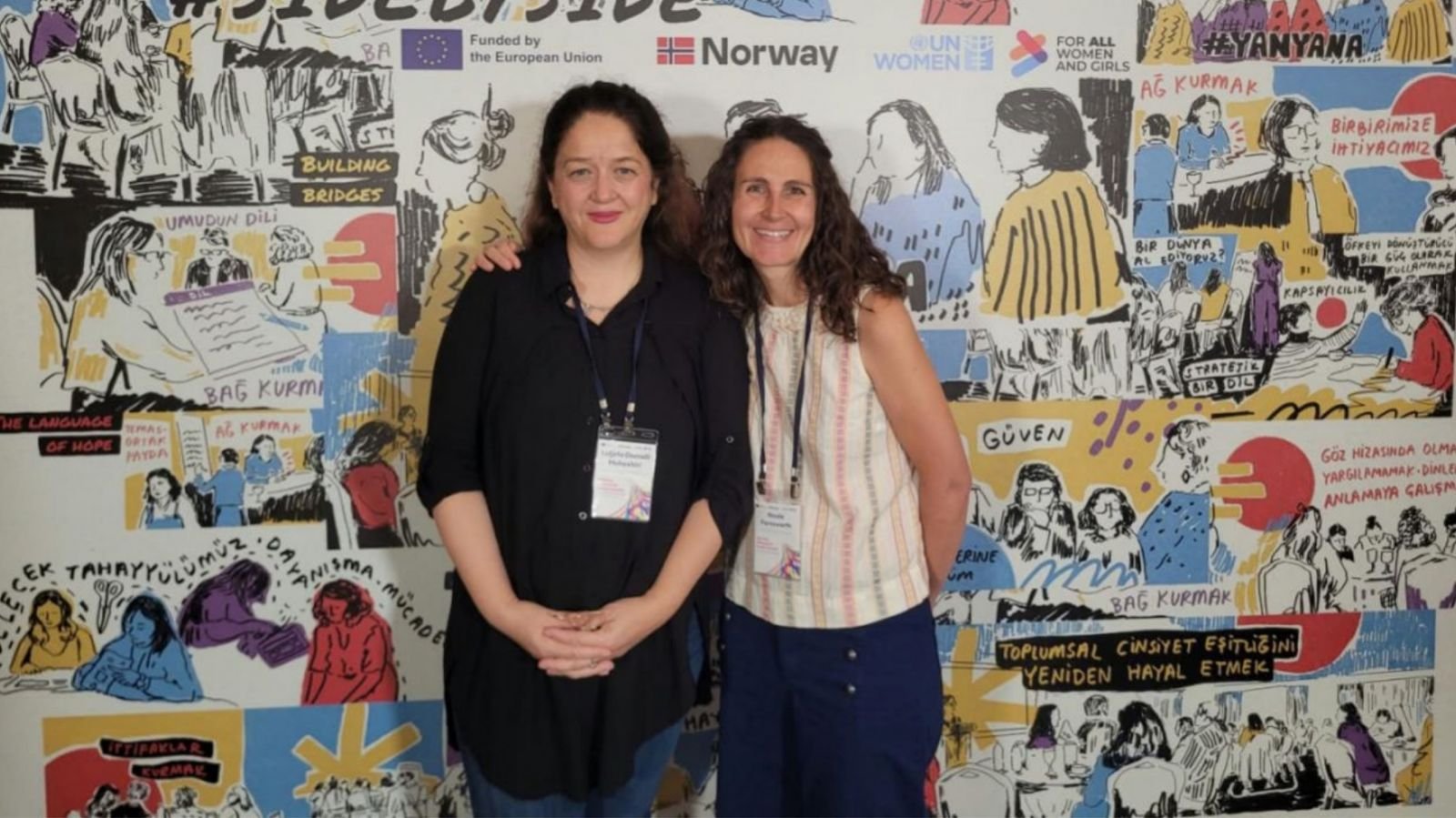
This question was at the heart of “Weaving Alliances for Gender Equality: From Local Action to Collective Impact,” a three-day gathering in Istanbul that brought together women’s rights and gender equality activists, civil society representatives and allies from more than 10 countries across Eastern Europe and Central Asia to strategise and strengthen collective action. The gathering was organised by UN Women.
As the Kosovo Women’s Network (KWN), we were glad to be part of this space together with the Kosovar Gender Studies Centre, connecting experiences from Kosovo with wider regional and international conversations on equality, democracy, human rights and solidarity.
Across discussions and interactive workshops, participants explored how we can strengthen collective action, reach broader communities, communicate our vision for the future, and build meaningful alliances across different movements and contexts.
A central message was that gender equality cannot be addressed in isolation. The rights and struggles of different communities are deeply connected. This means building stronger links between movements working for climate protection, disability rights, LGBTQI+ rights, minority rights, women’s rights, labour rights, youth rights and human rights more broadly.
At a time when anti-rights narratives and efforts to restrict rights are affecting different communities in different ways, there is a growing need to join forces rather than face these challenges separately.
This does not mean that every movement has the same priorities or approaches. It means recognizing where our struggles intersect, learning from one another, sharing knowledge and resources, and standing in solidarity when rights are challenged.
As one of the messages emerging from the gathering put it: “Collective action cannot have borders.”
Alliance-building is therefore not only about responding to challenges. It is about building relationships, trust and solidarity before we need them. It is about making space for different experiences and finding common ground around the values that connect us: equality, dignity, democracy and human rights.
The gathering also reminded us that meaningful change is built through relationships—locally, regionally and across borders. When movements connect their knowledge, experiences and resources, they can create new possibilities for collective action and care for one another.
From local action to collective impact, weaving alliances means recognizing that our rights are connected and that solidarity can make our movements stronger.