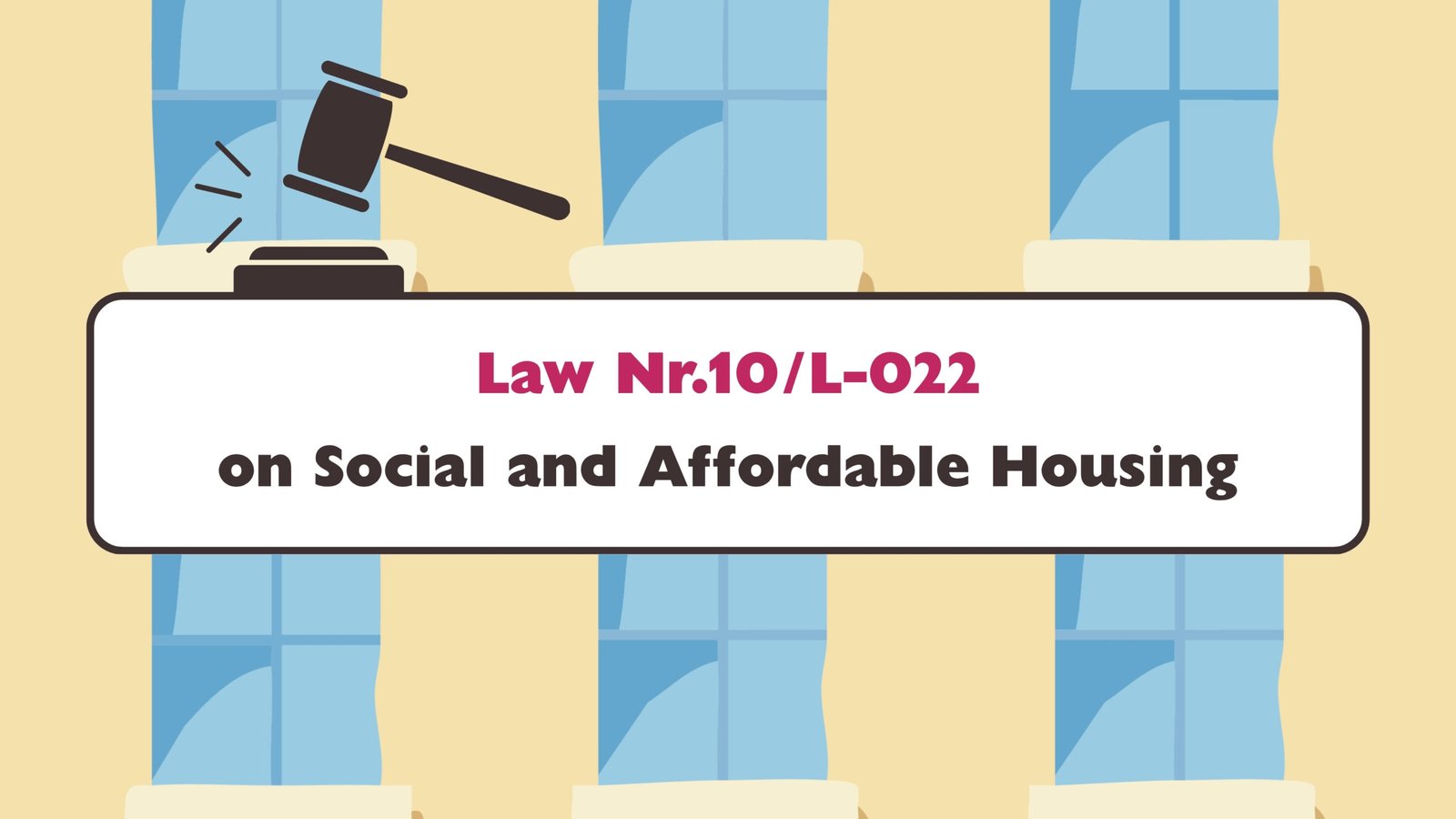
Adopted in May 2026, the Law on Social and Affordable Housing marks an important step forward in regulating access to housing for individuals and families facing economic or social hardship. The Kosovo Women’s Network (KWN) contributed to improving the Law through detailed comments submitted during the consultation process in 2022. KWN’s input focused on ensuring that the Law better addresses the lived realities of women, survivors of gender-based violence and other vulnerable groups, such as persons with disabilities, who often face barriers in accessing safe and stable housing.
KWN emphasised the importance of making the law more gender-responsive, accessible and inclusive for people who need it the most. Overall, approximately a third of the comments submitted by KWN were reflected in the final adopted law. These changes directly contribute to reducing discriminatory language practices and improving access to housing for vulnerable groups.
For example, KWN suggested that the term “head of the family” should be removed as it might contribute to gender discrimination in access to housing rights and decision-making within households. This terminology was eliminated from the final draft, contributing to a more gender-sensitive and inclusive definition of beneficiaries.
KWN also requested further clarification regarding rental payment obligations for people who benefit from social housing programs. The draft law was unclear and implied that vulnerable groups, including survivors of gender-based violence, persons receiving social assistance and people with disabilities, could still be expected to pay rent despite their financial situation. KWN commented that such requirements would create barriers for people who already are facing economic hardship. The final law is much clearer regarding social and affordable housing schemes and the responsibilities of municipalities, mentioning that “the municipal subsidy of the rent for housing is 50%”.
Another recommendation highlighted the need for decisions regarding housing support to be based on the actual needs of beneficiaries. KWN highlighted that strict financial requirements could exclude, for example, survivors of gender-based violence, who may need protection and housing security even if their financial situation is not necessarily precarious.
While the final law does not fully incorporate all proposed recommendations, it reflects improved recognition and inclusion of vulnerable groups. KWN remains committed to continue advocating for inclusive and gender-sensitive laws and policies that respond to the needs of all individuals, as well as for adequate budget allocations for social housing for those most in need.