Activists to Assess Costs of Supporting Women, Children Survivors of Violence  

How much does it cost to help women and children who have suffered violence? This is what seven women’s rights organisations from the Western Balkans (WB) have partnered to learn through a joint initiative that aims to support WB states in better budgeting to help women and children survivors of violence. All WB states have committed to implementing the Istanbul Convention, including Kosovo. However, several specialised services required by the IC are not yet financed adequately by WB states. This can contribute to a lack of access to important services, poor quality services, recidivist violence and even femicide (the murder of women because they are women).  

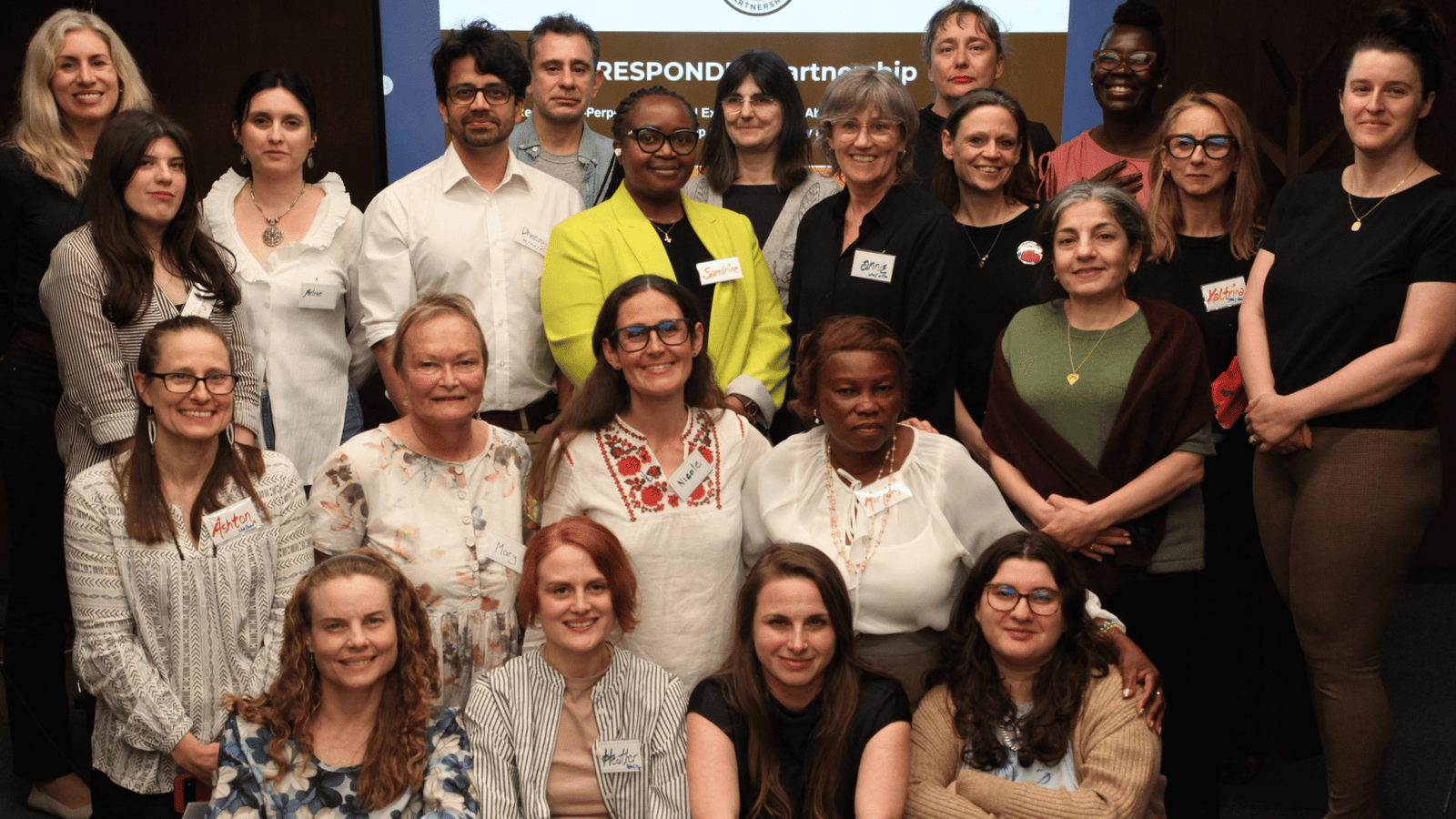
On 1-4 April 2025, activists and researchers from six women’s rights civil society organisations (WCSOs) across the WB gathered for a workshop in Shkoder, Albania. Experts from Albania, Bosnia and Herzegovina, Kosovo, North Macedonia, Montenegro and Serbia joined. Lawyers, sociologists, psychologists and economists, among others contributed their expertise, collaborating to finalise the shared methodology. The Kosovo Women’s Network (KWN) facilitated the discussion, having drafted the methodology based on prior experience with similar studies like At What Cost?.  

Kosovo has several best practices to share, having succeeded in establishing sustained financing for women’s shelters throughout the country, in close collaboration with KWN members, shelters and the government. Yet, the IC calls for several additional services to be state financed, which Kosovo lacks, such as a Rape Crisis Centre, adequate and accessible psychological counselling for diverse women and long-term rehabilitation and reintegration support, among others.   

The forthcoming research aims to inform evidence-based advocacy to relevant institutions for adequate budget allocations, particularly for medium-term budget frameworks and annual budgets, starting from 2026. Providing comprehensive rehabilitation and integration services to survivors of gender-based violence is essential for healing, wellbeing and prevention of recidivist violence. 

During the workshop, KWN Deputy Director and Lead Researcher Nicole Farnsworth presented the research methodology, which sparked lively discussions among project partners about the best approaches to implement it. Discussions focused on the distinct circumstances of each partner country, its laws and governance structures; and determining which social services to examine based on IC requirements and Council of Europe Minimum Standards. 

Between discussions, partners enjoyed the opportunity to network with each other, explore the city of Shkodër, tour Shkodër Castle and dine together at Arti Zanave[Art of Ferries], a traditional restaurant that supports the WCSO Hapa të Lehtë [Light Steps]. This women’s center focuses on empowering women, including violence survivors, with social, legal, health and economic services. The Executive Director, Denada Shpuza, who founded the center and the restaurant, shared the inspiring story of how it came to be. Faced with financial sustainability challenges and project-based funding limitations for supporting the shelter for women survivors, they decided to create a restaurant staffed by women, featuring dishes made with produce cultivated by local women. The restaurant also sells handmade jewelry and homemade goods, with all proceeds benefiting the center and its mission to support women.  

In coming months, partners will conduct research in all six WB countries, producing country-specific reports and a regional analysis on the availability, funding and costs of specialised services for survivors. These findings will provide concrete evidence to inform better government budget allocations in 2026 and beyond.  

The workshop marked the continuation of WCSOs’ collective efforts to strengthen services for gender-based violence survivors across the region. Through research, advocacy, experience-sharing and partnership, the Action aims to bring meaningful and lasting changes for survivors to access better quality services, sustainably supported by the state, while drawing from WCSOs and activists’ expertise. 

This research is part of the Action “Institutionalising Quality Rehabilitation and Reintegration Services for Violence Survivors II”, funded by the Austrian Development Agency (ADA). Partners enjoyed having the opportunity to liaise with Irene Novotny, Programme Manager from ADA Austria and Elona Fana, Programme Manager, ADA Albania who joined part of the meeting.  
Shaping Change: A Swedish Political Scientist Contributes at KWN 

The Kosovo Women’s Network (KWN) has welcomed Ebba Hellman, a bright and energetic political scientist from Sweden to our team. Since February, she has been contributing as a volunteer researcher, bringing expertise and fresh perspective to KWN’s research efforts. Ebba’s background in political science, peace and conflict studies, and law have contributed to her understanding of the region’s social and historical context. Her passion for human rights and women’s rights drives her work. 

”I’ve always been fascinated by the Balkans, but I didn’t know much about Kosovo before moving here. I wanted to do an internship at an Embassy with a development section, so I applied for the position here, but my interest in Kosovo as a country has grown so much”, she said. 

Joining the Swedish Embassy in Prishtina in September 2024, she was involved in the development section. Ebba felt that working solely in the Embassy’s Political Section would not provide the full experience she sought. She wanted to be involved not only in political work, but also in the development cooperation efforts of the Embassy and beyond.  
 

“I’ve heard a lot about KWN during my time in Kosovo, and I have been following your work,” Ebba said. “I was curious to see the work of a CSO from inside, and being passionate about women’s rights, pushed me to join and to extend my stay here”.  

At KWN, Ebba is engaged in KWN’s research and supporting fundraising for KWN and its members. 

Coming to Kosovo, she was warmly welcomed by people here. “People told me before coming here: ‘All Kosovars are so friendly, and you will experience that’, and I really have”, Ebba said.  

The political context involves several challenges, but it is also interesting from a political scientist’s perspective to live here, she said. Living in Kosovo has been interesting for her as well: living in a post-conflict society and seeing development and building of a democratic society.  

 “If I see myself in my career, working either within global development, or development cooperation in any form, I think it is very useful to have the perspective of a local CSO, not only of an Embassy or a Development Agency,” she said.  

Ebba also enjoys spending time outdoors, including horseback riding, a tradition in her family.  

Ebba is excited to continue contributing at KWN. She even extended her stay an additional month, providing an incredible contribution to our work!  

Ebba remains open to new opportunities that may arise in Kosovo. Whether through research, advocacy or development work, her experience here has deepened her commitment to human rights and global development.  

Ebba is a great example of volunteering for a good cause, and you or someone you know, could be the next to make an impact.  

We at the Kosovo Women’s Network are calling on individuals from all backgrounds, ages, and communities to actively engage in strengthening the feminist movement in Kosovo. We know that when more people step forward, more voices are heard, and real change becomes possible. This is a moment to stand together, to challenge inequality, and to build a society where gender justice is not just a goal but a reality. 

Through our Volunteer Program, we offer a space for learning, advocacy, and action. Whether you are a researcher, an activist, a student, or simply someone passionate about human rights, your involvement can make a difference. By joining us, you will have the opportunity to gain new skills, contribute to research, and deepen your understanding of the challenges women in Kosovo face, such as gender-based violence, economic inequality, and systemic discrimination. 

Over the years, we have engaged at least 392 diverse volunteers from Kosovo and beyond, empowering them with the tools to become advocates for change. Now, we are expanding this movement, and we need you. Together, we can build a stronger, more inclusive feminist movement – one that amplifies voices, influences policies, and paves the way for a more just and equal future. 

This is your chance to be part of something bigger. Will you join us? 

If you would like to contribute as a volunteer, like Ebba and our other dedicated volunteers, please reach out to us at info@womensnetwork.org to hear more about our Volunteer Program. 

Reaction of the Kosovo Women’s Network to the Recent Killings in Kosovo due to illegal weapons 

Illegal weapons poses a significant threat to the security of our society, especially to the lives of women. The recent killings in Kosovo demonstrate that illegal weapons are widespread and endanger citizens’ lives every day, creating insecurity within Kosovan society. 

The Kosovo Women’s Network expresses deep concern over the increasing cases of murders and violence against women, where illegal firearms are often involved. The killing of women, which frequently occurs due to the use of illegal weapons, is a serious issue that demands immediate action from the relevant institutions. Acts of violence and murders linked to unlicensed firearms reflect the state’s failure to guarantee safety and justice for its citizens, particularly for women. 

We call on all responsible institutions to take immediate and concrete measures to confiscate illegal weapons and penalize those who possess them. The strict enforcement of the Law on Weapons, including regulations on threats to public order and security, as well as thorough assessments of the psychological and physical capacity of individuals seeking firearm licenses, must be non-negotiable. Additionally, monitoring and controlling the black market for arms trafficking is equally essential. 

This request is urgent and necessary to ensure a safe and just society for all, especially for women, who are often victims of this phenomenon. As the Kosovo Women’s Network, we demand immediate action from institutions to prevent this dangerous trend, which continues to claim the lives of our citizens. The safety of all individuals, particularly women, is a fundamental right that must be protected at all costs. 

This is an obligation for our institutions, which must ensure that every individual lives in a safe and violence-free environment. We remain committed to advocating for justice and security for all women and citizens of Kosovo. 

Rogova’s Call to Action: Together, Donors, Civil Society Make Change Happen  

As part of its Open Society event series, GIZ organised a Voices of Change Talk on March 19 that engaged inspiring women in sharing their experiences, challenges, and insights related to addressing gender biases.  

The event, held in honor of Women’s Month, featured a dynamic lineup of speakers, including Igballe Rogova, Executive Director of the Kosovo Women’s Network (KWN). Each speaker engaged the audience in a storytelling format, highlighting ongoing struggles in furthering gender equality and the crucial role that institutions like GIZ can play in advancing women’s rights and gender equality. 

Rogova, a lifelong advocate for women’s rights, captivated the audience with stories from her decades of activism. Drawing from her experience leading KWN, she shared firsthand accounts of struggles faced by the women’s movements, including the growing anti-gender movement and accompanying insufficient funding. 

A key theme in Rogova’s talk was the importance of collaboration between funders and civil society organisations. She stressed that funders must not only provide financial support but also listen to and engage meaningfully with local women’s organisations when designing new initiatives so that they address real, priority needs. She called for funders to consult women’s rights activists, not just as beneficiaries but as partners in shaping policies and programs. Political support and cooperation, she emphasised, are just as vital as financial assistance in sustaining long-term change. And everyone has a role to play in making this change happen. 

GIZ’s commitment to gender equality is not new. KWN and GIZ have a long history of collaboration towards achieving their shared aims of furthering gender equality. Among other actions, this has included working together towards institutionalising gender-responsive budgeting in close partnership with the Government of Kosovo. For example, KWN, GIZ, the Agency for Gender Equality in the Office of the Prime Minister, and the Kosovo Institute for Public Administration collaborated to create and adopt the first training curriculum for public servants on how to implement gender-responsive budgeting obligations in the Law on Gender Equality, based on best international practices. They also proposed content for the annex on gender-responsive budgeting, required by the Ministry of Finance in the budget circular to accompany mid-term and annual budgets.  

KWN looks forward to continuing our collaboration with GIZ in the future. 

Volunteers Who Can Be Empowered by Working at KWN 

The Kosovo Women’s Network calls on individuals from all groups and communities, regardless of age or background, to actively engage in strengthening the feminist movement in Kosovo. We know that when more people step forward, more voices are heard, and real change becomes possible. This is a moment to stand together, challenge inequality, and build a society where gender justice is not just a goal but a reality. 

Through our Volunteer Program, we offer a space for learning, advocacy, and action. Whether you are a researcher, an activist, a student, or simply someone who’s passionate about human rights, your involvement can make a difference. By joining the KWN, you will have the opportunity to develop new skills, contribute to research, and deepen your understanding of the challenges women in Kosovo face, such as gender-based violence, economic inequality, and systemic discrimination. 

Over the years, the KWN has engaged at least 392 different volunteers from Kosovo and beyond, empowering them with the tools to become advocates for change. Now, the KWN is expanding this movement and needs you. Together, we can build a stronger and more inclusive feminist movement – a movement that amplifies voices, influences policies, and paves the way for a more just and equal future. 

The Volunteer Program also offers opportunities to develop or enhance skills in research and other areas related to women’s rights work. Moreover, the KWN covers expenses related to volunteering. 

If you are interested in becoming a volunteer at the KWN or would like to learn more about our Volunteer Program, please contact us at info@womensnetwork.org attaching your CV.  

Marching for Each Other

Under the slogan “We March for Each Other,” as every year, people marched through the streets of Pristina on March 8. In the wake of gender-based violence, including rape, physical abuse, and femicide, as well as ongoing gender inequality, the Collectivity “Marshojmë S’festojmë” organized the International Women’s Day March. The march began at Zahir Pajaziti Square and ended in front of the Government building, where a statement was read, outlining specific demands for institutions responsible for addressing gender-based violence.

As women activists, March 8 is always a moment of reflection on the events that have affected women’s lives over the past year. Only in 2024, Erona Cokli was murdered inside the Center for Social Work in Ferizaj, Gjyljeta Ukelli was killed by her husband in Peja, M. Zh. was murdered by her husband in Graçanica, and Sherife Tahiri was shot five times by her husband but survived. All these women were first victims of domestic violence and were killed simply because they were women. Furthermore, in 2024, the Kosovo Police registered 2,959 cases of domestic violence. Women’s lives in Kosovo remain at risk—they are not safe in their own homes or in spaces where they should feel secure.

March 8 reminds us that Kosovan society often normalizes violence, treating it as a private matter. It also highlights the failure of responsible institutions to protect women. This date is a stark reminder that the very institutions tasked with punishing abusers frequently let them go unpunished or impose only symbolic sentences, thus legitimizing violence and enabling repeat offenses. Above all, March 8 is a testament to the relentless efforts of countless activists—women and girls—who work daily to improve the lives of women in Kosovo. It is a day to remember the sacrifices of all the women activists worldwide who fought for the few rights we have today.

This year’s march also protested against the anti-gender movement, patriarchal institutions, and the systemic oppression of women and girls. The fight for gender equality and the right to a dignified life continues until women’s lives are safe in Kosovo, until they inherit property equally, until unpaid labor is recognized, until institutions take women’s concerns seriously, and until violence is adequately punished.

The Kosovo Women’s Network (KWN) provides free legal advice and representation for all cases of gender-based violence. If you need support, call 048 105 800.

Austria Supports Women’s Rights in Kosovo

The Presidency of Austria invited Igballe Rogova, Executive Director of the Kosovo Women’s Network, to provide a video message to mark 8 March 2024, International Women’s Day, during an event hosted by the Presidency in Vienna.  

In her requested 1.5-minute message, Rogova emphasised the importance of cooperation between decision-makers and grassroots organisations in making things happen and moving society forward. 

She shared how Kosovo President Jahjaga collaborated closely with women’s rights organisations assisting survivors of sexual violence during the war when she established the National Council for Survivors of Sexual Violence During the War in 2014. 

In the end, Rogova thanked Austrian taxpayers for their support, through the Austrian Development Agency (ADA), to KWN activists, which has contributed to this and other substantial impacts in Kosovo.  

KWN has cooperated with ADA since 2012, realising several achievements, including the following, among others: 

  • Since 2012, through the Kosovo Women’s Fund (KWF), KWN has awarded more than 100 grants worth €346,607 to grassroots organisations, benefiting 13,204 people with better healthcare, education, economic wellbeing, and protection from violence. KWF has empowered more than 1,700 women to engage in decision-making and politics, some for the first time. 
  • KWF-supported initiatives involved 264 advocacy efforts that contributed to more than 15 policy changes, improving women’s lives in Kosovo. 
  • Since 2021, KWN members inspired 659 women to advocate and documented 73 abuses of women’s rights to health, holding institutions accountable to quality services, using a rights-based approach. 
  • Gender bias in eight schoolbooks was analysed, 22 teachers trained, and 65 courses observed to promote inclusive teaching, leading to eight reports recommending improvements to curricula. 
  • KWN’s advocacy shaped the National Strategy and Action Plan Against Domestic Violence (2016-2020), integrating 70% of KWN’s ADA-supported 2015 research recommendations. 
  • KWN used strategic litigation for gender-based violence cases, advocated Kosovo’s 2020 adoption of the Istanbul Convention, and supported the criminalisation of domestic violence and sexual harassment in the Criminal Code. 
  • Together with shelters, KWN’s advocacy contributed to securing sustained government funding for shelters and day centers for gender-based violence survivors. 
  • Since 2021, KWN provided free legal aid in 129 cases and monitored 186 cases of gender-based violence towards furthering justice. 
  • KWN has influenced 277 new laws and policies related to on gender-based violence, including related to social services. Among them, KWN co-led the drafting of Kosovo’s State Protocol for Treating Sexual Violence Cases (2022). 
  • At the Government’s request, KWN developed curricula for social workers to better treat gender-based violence cases and trained 15 social workers (2023). 
  • The “Ending Violence Behind Walls” exhibition educated 5,580 people across ten municipalities on how to report violence. 
  • KWN’s 1325 Facts & Fables report (2011, 2022) documented Kosovo’s implementation of United Nations Security Council Resolution (UNSCR 1325) on Women, Peace, and Security, informing the global Women, Peace, and Security Agenda, including NATO’s work related to UNSCR 1325. 

KWN looks forward to continuing collaboration with the Austrian people, through ADA, to further women’s rights in the future. 

The Kosovo Women’s Network calls for more attention to the needs of women and men

The Kosovo Women’s Network adds a gender perspective to Kosovo’s path towards the European Union. In line with the European Commission’s 2024 report on Kosovo, KWN provided its comment on Kosovo’s European Integration Program for 2025-2029.

The National Program for European Integration (NPEI) is Kosovo’s main plan for reforms towards EU membership. It aims to align domestic laws with those of the EU and is the third program of this name and the tenth since the entry into force of the Stabilization and Association Agreement (SAA).

KWN has observed that the program lacks clear indicators, measurable targets, and baselines, making it difficult to measure progress. Also, objectives on neighborly relations, regional cooperation, and Kosovo-Serbia normalization, as well as on the implementation of the EU Agenda on Women, Peace, and Security, are missing.

We suggest including these elements for better monitoring and greater accountability in the integration process.

DETAJE DHE INFOGRAFIKË

The first meeting of KWN members for 2025 is held, challenges and priorities are discussed 

On February 10, 2025, the Kosovo Women’s Network (KWN) held its first regular meeting of the year, where the current situation in the country, the challenges faced by women and civil society organizations, and opportunities for cooperation and mutual support in the future were discussed. 

One of the topics opened during the discussion was the electoral process of February 9, 2025, with a special emphasis on the Civil Society Manifesto, which was delivered to all political parties before the elections. During the meeting, the importance of the new government considering all the points and common demands of the manifesto was emphasized, committing to policies that empower women and promote gender equality. It was emphasized that this manifesto represents a powerful voice of civil society and should be a point of reference for any political decision that affects women and their rights. 

At this meeting, the participants unanimously emphasized the need for solidarity and mutual support, especially at a time when right-wing extremism is gaining ground globally. The challenges posed by this phenomenon were discussed, and a greater mobilization was requested to prevent any form of discrimination and social exclusion. 

The opening of the meeting was made by Adelina Berisha, Gender-Based Violence Manager at KWN. She spoke about the current situation in the country and the challenges faced by women, asking for an open dialogue with all members to more accurately identify their needs and priorities. 

In her speech about the new parliamentary elections, she mentioned the importance of active participation of women in politics and decision-making processes. 

“We hope that in the next 4 years, we will make changes whenever we are dissatisfied. I hope that our vote, the vote of women, will be decisive. We can make changes in society only when we are together,” she said, among other things. 

Also, during the meeting, it was informed that the KWN Statute has now been updated, reflecting the new needs and objectives of the organization. 

The meeting concluded with a commitment to continue the joint engagement for the empowerment of women and the advancement of gender equality. Members were invited to participate in the KWN Annual Assembly, which will be held on April 12, 2025. 

A Glimmer of Hope and Justice for Women Murdered in Kosovo 

On February 19th, the Court of Appeals upheld the first-instance verdict of the Basic Court in Ferizaj, concerning the life imprisonment decision for Dardan Krivaqa, the murderer of M.O, who lost her life due to extremely severe injuries. She was only 18 years old when the murder occurred. The court based this sentence on Article 173 of the Penal Code of the Republic of Kosovo, paragraph 1, subparagraph 1.4, which states that a person who “deprives another person of life in a cruel or insidious manner” shall be punished with 10 years to life imprisonment. 

Similarly, months earlier, specifically on December 27, 2024, Edmond Lajçi was sentenced to life imprisonment for the murder of his wife Gj.U. He was sentenced under Article 173 of the Penal Code, paragraph 1, subparagraph 1.3, which states that a person who “deprives a family member of life” shall be punished with 10 years to life imprisonment. 

Although these two cases demonstrate an improved approach to handling murders, the prosecution and the court still failed to emphasize the gender-based motive behind these killings, as stipulated by the Penal Code in Article 173, paragraph 1, subparagraph 1.10, where murder is considered aggravated when the motive is “nationality, language, religious belief or lack of religious belief, skin color, gender, gender identity, sexual orientation, or due to proximity to persons with one of these protected characteristics.” 

The Kosovo Women’s Network, through its “A Life Free from Gender-Based Violence” Program, has advocated for a legal framework that addresses gender-based violence and violence against women. 

We remain committed to deepening cooperation with justice institutions to raise awareness that murder resulting from gender-based violence, or as it is internationally known, femicide, the killing of women simply because they are women, is reflected in court decisions and prosecutorial indictments. 

Throughout 2025, KWN will organize training for officials responsible for combating gender-based violence, including judges and prosecutors, to raise awareness about gender-based violence and a victim-centered approach, as required by our legislation, derived from the Istanbul Convention. 

Additionally, KWN will continue to provide legal counseling to all victims of domestic violence, violence against women, and gender-based violence. For more information on legal counseling, please contact us at: +39348105800.