Two-Day Training Held on the Curriculum “Working with Victims of Domestic Violence: Treatment and Referral”

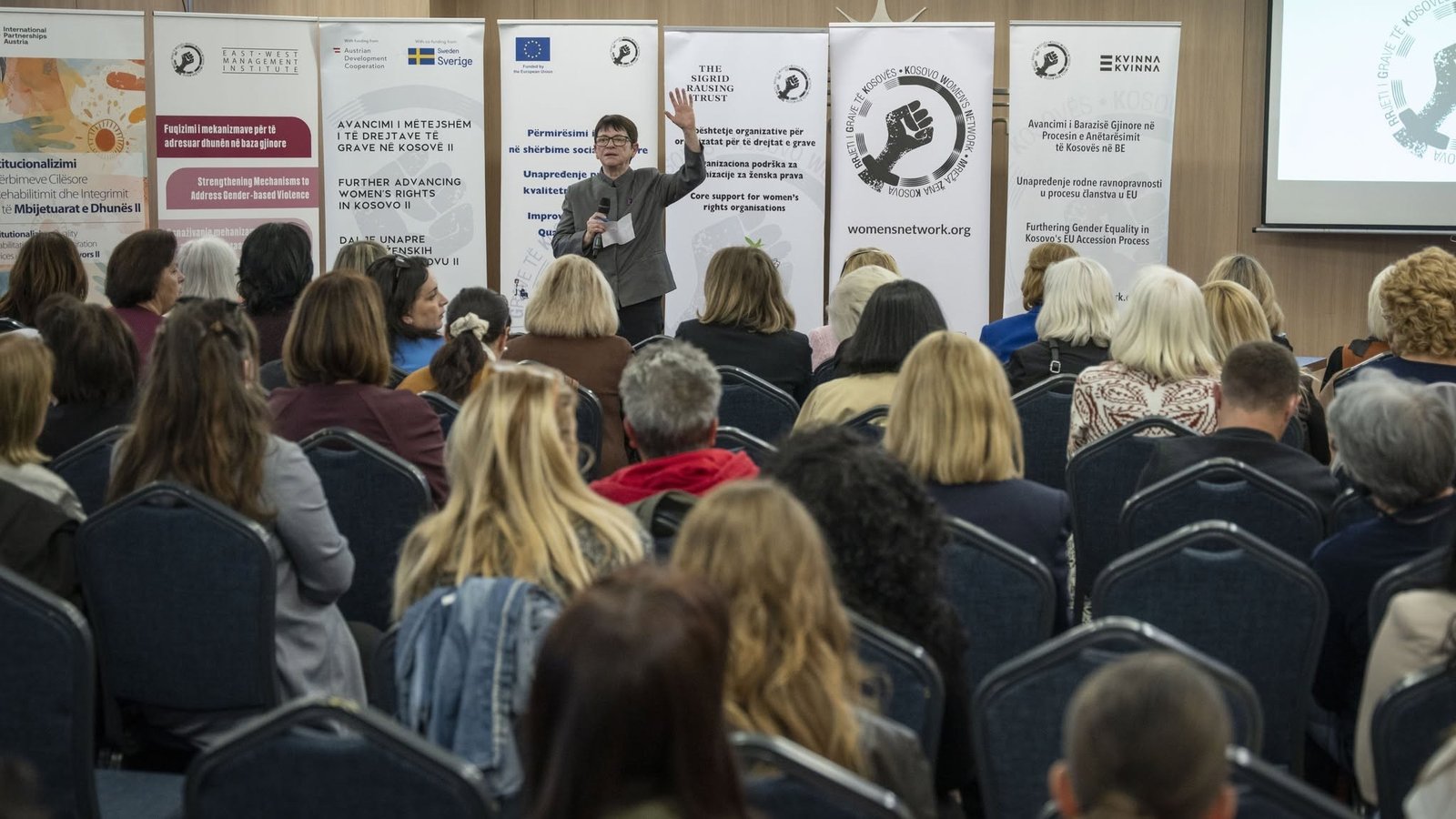
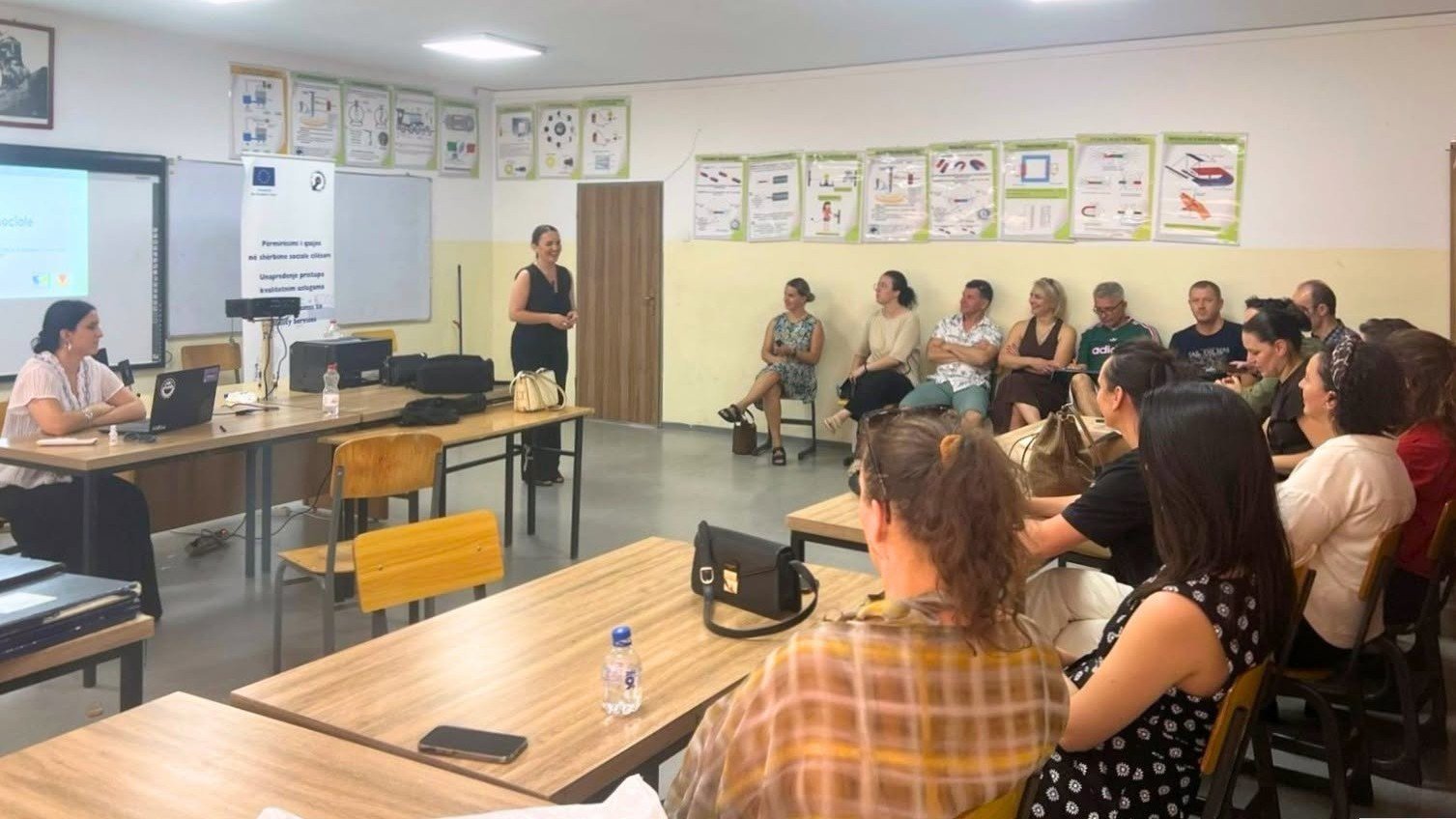
The Kosovo Women’s Network, in cooperation with the Department for Social and Family Policies and the Professional Council for Social and Family Policies, organized a training on the curriculum “Working with Victims of Domestic Violence: Treatment and Referral.”

This two-day (22 and 23 September) training brought together social service professionals from various municipalities of the Pristina region, providing an important space for learning, discussion, and exchange of experiences on handling cases of domestic violence and protecting victims.

During the sessions, participants had the opportunity to deepen their knowledge on:

  • Understanding domestic violence, violence against women, and gender-based violence;
  • The legal framework and recent developments under national laws and international conventions, including the Istanbul Convention;
  • The roles and responsibilities of social service professionals in case management, from risk identification and assessment to referral and inter-institutional coordination;
  • A victim-centered approach and the protection of children exposed to violence;
  • Working with other vulnerable groups, such as Roma, Ashkali, and Egyptian women, LGBTQ+ victims, migrants, and persons with disabilities.

“Trainings like this are very necessary for social workers because here we exchange different experiences, we learn from one another, and we also have the chance to learn from other practices through the lecturer,” said one social worker.

The training was delivered in an interactive format, combining lectures with discussions, practical exercises, and group work. Participants reflected on the daily challenges they face in the field and shared ideas for improving institutional responses.

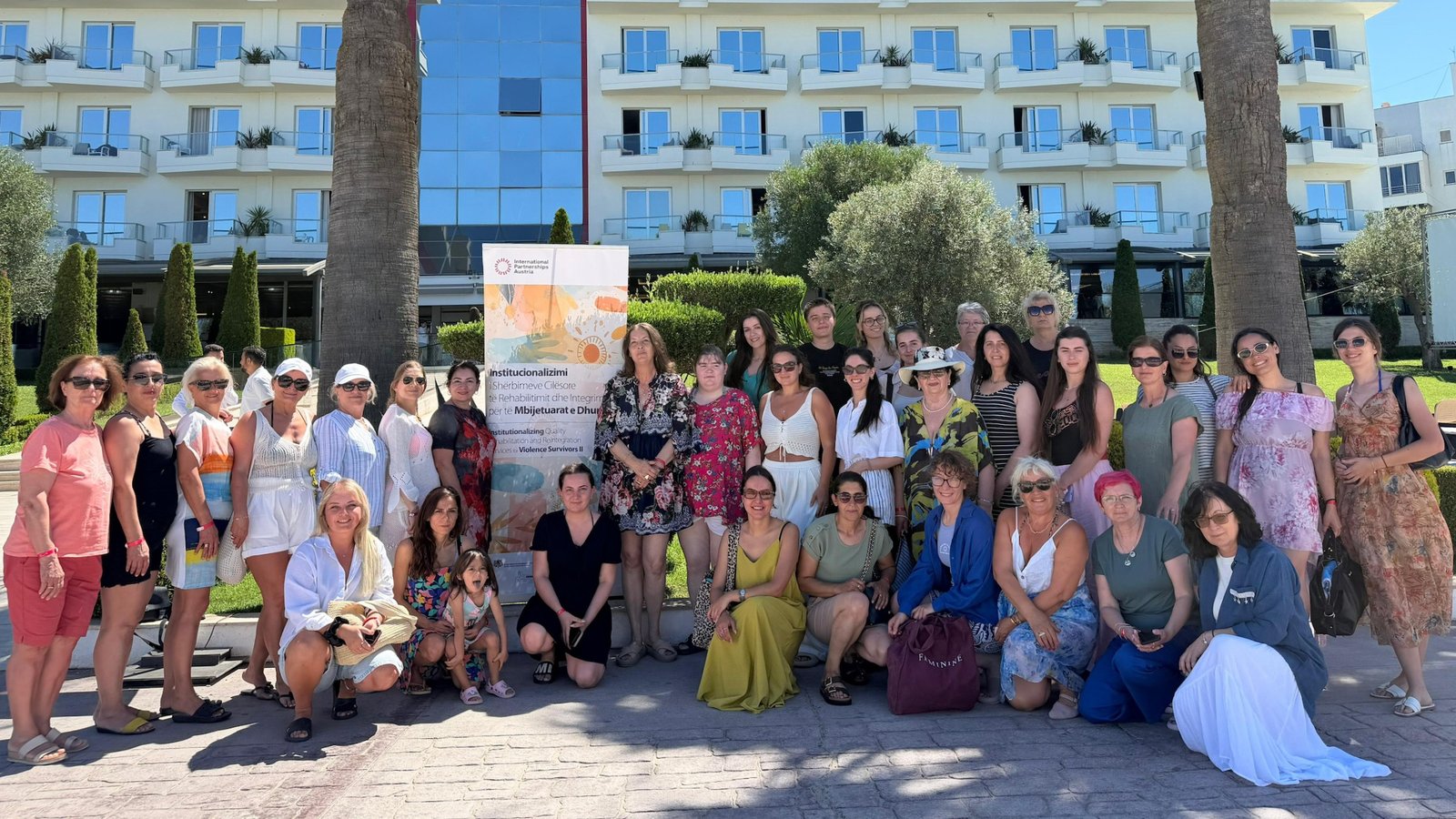
This activity is part of the project “Institutionalization of Quality Rehabilitation and Integration Services for Survivors of Violence,” funded by the Austrian Development Agency (ADA) with the support of the Austrian Development Cooperation.

Health Above All: KWF Support Sparks Lasting Advocacy for Women’s Rights in Lipjan

Access to accurate information about reproductive health and maternal care is still far from guaranteed for many women and girls in Kosovo. In rural areas, topics such as family planning, safe motherhood, and where to seek help in cases of abuse are rarely discussed in public spaces or in schools. The lack of clear, accessible information, combined with institutional procedures that are often difficult to navigate, can leave women without the confidence or tools to act when their rights are violated.

In the municipality of Lipjan, the Youth Association for Human Rights (YAHR) decided to address this gap by creating spaces where women could talk openly about their health, understand their rights, and learn how to access institutional support, building on the belief that women themselves can be the most powerful drivers of change in their communities.

Laying the Groundwork Through Dialogue and Community Engagement

The first step was to listen. In July 2023, YAHR met with local leaders, including municipal Gender Equality Officer Hasan Luma, members of the municipal assembly, and Hyre Bytyqi, who leads an informal women’s group in Lipjan. Together, they identified the most pressing challenges women face and explored ways to work together. These conversations laid the groundwork for cooperation, formalised by two memoranda of understanding later that year.

From there, YAHR brought together 20 people from Lipjan’s urban and rural areas – mostly women, but also several men – for a three-day workshop in Rugova. Led by medical expert Dr. Egzona Bytyqi, the training covered reproductive health, safe motherhood, access to quality health care, and the steps to take when rights are violated. Participants learned how to document mistreatment, file formal complaints, and navigate the health care system, while also sharing their own experiences and questions.

The workshop was designed not just to inform, but to prepare participants to share their knowledge. Divided into four small teams, participants chose villages where they would hold follow-up sessions: Smallushë, Janjevë, Babushë i Muhaxherëve, and Qylagë. Over the following months, they returned home and began gathering women in their local communities. In Smallushë, a dozen women discussed maternal health and the importance of regular check-ups, sharing personal stories about pregnancy and recovery. In Babushë i Muhaxherëve, a smaller group spoke about the connection between everyday habits and long-term well-being, while in Qylagë, more than 40 women turned up to talk about the obstacles they face in reaching health care and how they might help one another overcome them.

In Janjevë, 16 women sat down with Dr. Bytyqi, asking questions about reproductive health and learning where to report abuse. Some women shared that they had previously believed you could only get help from the municipality if you knew someone inside it. After the meeting, they understood that there are designated people whose role is to listen to women, and now they know where to find them. “Reproductive and maternal health are rarely discussed in our country. Other important topics include women’s health during pregnancy, childbirth, and the postpartum period,” said Fatbardha Hajdari, Coordinator at YAHR. “None of these topics are part of the school curriculum, which is why there is an urgent need to fill this gap.”

Expanding Reach: Linking Communities and Institutions

While the village meetings were underway, YAHR also worked to strengthen the link between communities and institutions. In November 2023, they brought together municipal officials, police officers, assembly members, and civil society representatives for a roundtable on violence and abuse against women. The discussion produced concrete ideas, including securing emergency housing and funding for shelters, as well as partnering with businesses to create job opportunities for survivors. These proposals reflected the concerns women had voiced in the village sessions, ensuring that institutional plans were grounded in the reality of everyday life.

The initiative also reached people beyond those who participated in person. Through a targeted social media campaign, YAHR shared posters on gender equality, breast cancer, and the importance of reporting gender-based violence. The campaign’s reach grew quickly – from just over 200 followers at the start to more than 10,000 by the end – meaning that many women encountered this information for the first time on their own phones.

By the closure of YAHR’s initiative, more than 100 women had participated in awareness sessions, and 20 community members had been trained to lead future discussions. These women left not only with new knowledge, but with a clearer sense of their own agency. One facilitator reflected that she began the process as a learner but grew into a leader. Today, other women in her village turn to her for guidance and support.

From Learning to Lasting Connections

The memoranda of understanding created a framework for sustainable, ongoing cooperation between local women’s groups and municipal institutions. After the project ended, YAHR continued advocacy and lobbying efforts with the mayor and municipal officials. On 29 March 2024, during the 28th meeting of the Lipjan Municipal Assembly, the Local Action Plan on Gender Equality for 2024–2026 was approved following a process in which YAHR played an active role through targeted advocacy. Just weeks later, on 8 May, the Municipal Assembly adopted the Action Plan for Protection from Domestic Violence and Violence Against Women for 2024–2026. YAHR supported the drafting of that plan in close cooperation with the Center for Social Work. At the 31st meeting of the Municipal Assembly, held on 28 June 2024, funds were allocated to the Center for the Protection of Women and Children – the local shelter – to support victims of domestic and gender-based violence, in accordance with recommendations raised during the November roundtable.

YAHR’s initiative shows how one project can spark lasting change, empowering women with knowledge, confidence, and institutional connections, and paving the way for continued advocacy and long-term community impact.

YAHR’s initiative “Health Above All!” was carried out with support from the Kosovo Women’s Network’s (KWN) Kosovo Women’s Fund (KWF), financed by the Austrian Development Agency (ADA) and co-financed by the Swedish International Development Cooperation Agency (Sida), in the amount of €5,000, from July 2023 to January 2024. The initiative contributed directly to KWN’s Programme “Right to Health” by ensuring that women and girls are aware of their right to health care and how to access it.

KWN Promotes Sustainable Mobility during European Mobility Week 2025

From 16 to 22 September 2025, the Kosovo Women’s Network (KWN) marked European Mobility Week with a dynamic social media campaign, conducted in collaboration with the Ministry of Environment, Spatial Planning and Infrastructure (MESPI).

European Mobility Week, an annual initiative of the European Commission, encourages people across Europe to adopt more sustainable forms of transportation, promoting cleaner air, safer streets, and healthier communities.

During the campaign, KWN highlighted key issues related to mobility and urban life in Kosovo, including car pollution, poor air quality, illegal parking, and violations of public transport rights.

The first post shared raised awareness on the polluter pays principle, which holds that those who cause pollution should cover the costs of addressing it, helping to protect both public health and the environment. Another post addressed public transportation rights of people with disabilities and their personal assistants and outlined how violations can be reported. KWN also raised awareness about illegal sidewalk parking, which is a common urban challenge that limits accessibility and pedestrian safety, and encouraged citizens to choose sustainable transport options instead of traveling by car.

The initiative culminated on 22 September with a special post promoting World Car-Free Day, highlighting the benefits of embracing walking, running or cycling.

KWN also shared for the first time key recommendations from its forthcoming report on transportation. These include:

  • Using revenues from parking fees and fines to fund infrastructure that benefits all people, including accessible sidewalks and cycling paths.
  • Using car taxes to fund sustainable transport options, including faster, more reliable and less crowded buses that also serve rural areas.
  • Ensuring free travel for people with disabilities and personal assistants, and investing in more accessible transport services, including buses with ramps, space for wheelchairs and trained drivers.

U.S. Delegation for Friendship Among Women Visits Kosovo Women’s Network

On September 22, the Kosovo Women’s Network (KWN) had the pleasure of welcoming a visit from The Delegation for Friendship Among Women, a non-political organization based in the United States that fosters cross-cultural understanding and lasting friendships among women worldwide.

The Delegation works to deepen knowledge about the lives and work of women around the globe, particularly in countries where U.S. relations may be evolving. Their unique approach includes self-funded study trips to such countries, during which Delegates connect and have meaningful conversations with local women leaders. These meetings often lead to long-term collaborations, knowledge-sharing, and the promotion of women’s voices through speeches, publications, and ongoing dialogue back in the U.S.

The Delegation visiting Kosovo included Joanna Millick, Ashley O’Connor, Kimberly Harms, Suzanne Connolly, Flora Kubitz, Darlene Miller, Carolyn Moats, Barbara Pritchard, Nancy Uscher, Kally Zebrowski Heller, and Christine Zak, all accomplished women from diverse professional backgrounds.

At KWN’s office in Pristina, the Delegation was warmly received by Adelina Berisha and Zana Rudi, who provided an overview of KWN’s mission, its history since its founding, and its wide-reaching impact in advancing gender equality and women’s rights in Kosovo and the region.

The Delegation members expressed deep admiration for KWN’s achievements. “This is so inspiring to learn and hear about all the incredible work you’ve done through your network,” said Barbara Pritchard, a board member of the Delegation. “We will definitely speak about your work when we return to the States. Networking is so important, and we’re pleased to connect your network with our women activists from various fields. This way, we can stay in touch and continue sharing experiences, knowledge, and support.”

The visit marked the beginning of what promises to be a fruitful and supportive relationship between women leaders in Kosovo and the United States, built on shared values, mutual respect, and the power of connection.

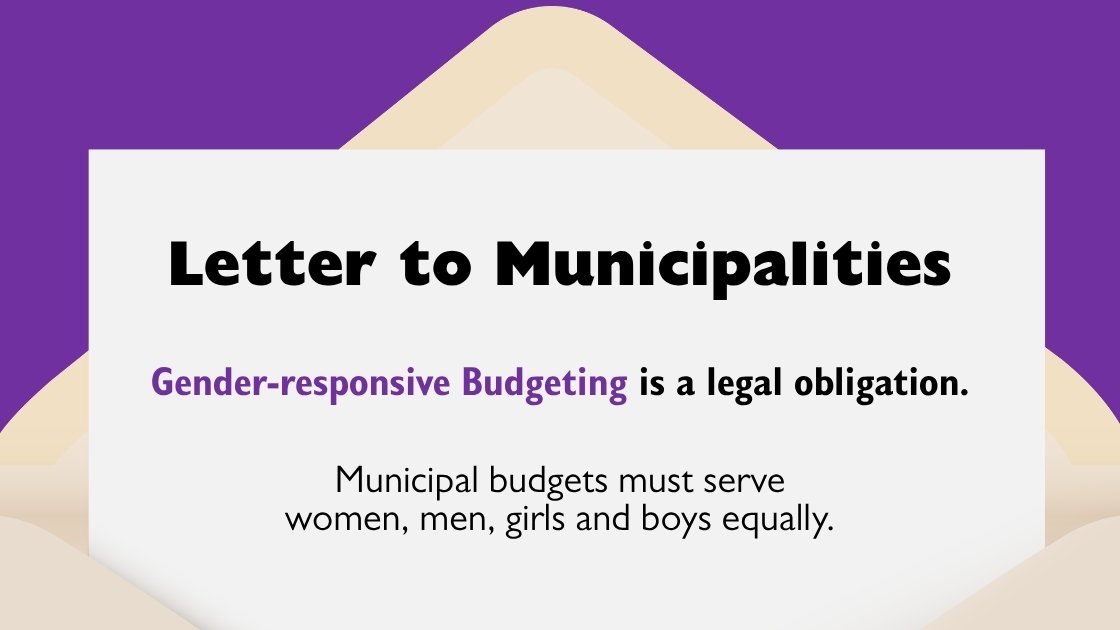
KWN sends Budget Recommendations to Kosovo’s municipalities

Today, KWN sent a letter with recommendations to Kosovo’s municipalities in the context of ongoing preparations for the 2026 budget. The recommendations are based on KWN’s research and focus on gender-responsive budgeting (GRB). That is, ensuring that public funds address the differing needs of women, men, boys, and girls, in line with Kosovo’s legal framework and international best practices. Implementing GRB strengthens transparency, accountability, and efficiency in government spending, while advancing gender equality. Read the full letter here.

Laying the Groundwork: Gruaja Fermere’s Push for Sexual Education in Rahovec Schools

In Kosovo, sexual education remains insufficiently addressed, shaped by tradition and social norms. Within schools, the subject is covered only minimally: textbooks provide limited information that is neither comprehensive nor tailored to students’ age and development. Many young people hesitate to approach teachers and instead rely on social media for information about sexual and reproductive health.

The NGO Gruaja Fermere, based in the municipality of Rahovec, stepped in to fill this gap by empowering young people with the knowledge needed to safeguard their health and well-being. Believing that students deserve more than whispered rumours, the organisation sought to provide accurate, age-appropriate guidance.

Their initiative began with a cooperation agreement with the Municipal Directorate of Education. Six school principals, together with a psychologist and two sociologists, joined forces to review textbook shortcomings and submit a request for sexual education to be introduced as a subject in schools, taught at least once a week. Soon after, forty teachers from biology, civic education, language, arts, and physical education took part in a specialized training on quality, gender-sensitive teaching. They left not only with certificates but also with a new responsibility: to bring equality and respect into their daily classrooms.

The classrooms soon followed. Ten sessions across Rahovec schools reached 263 students, 140 girls and 123 boys aged 12 to 17. One hundred of them received focused guidance on accessing health services and understanding their rights. The sessions covered topics such as reproductive health, the role of family and community, sexually transmitted diseases, and unplanned pregnancy. For many students, it was the first time these topics connected directly to their own futures. Lecturers also encouraged students to promote these conversations and practices within their families and communities. Awareness began to shift into action as students carried healthier values back to their homes and peers.

The story of Gruaja Fermere shows that change begins when silence is broken. By combining teacher training, student engagement, and institutional cooperation, they laid the foundation for lasting progress. Teachers gained the confidence to integrate gender equality into their classrooms, students gained essential knowledge to protect their health and well-being, and school leaders came together to equip Rahovec students for a healthier, safer future.

Although the request to make sexual education a standalone subject was later rejected, further progress has followed since the initiative ended. Sexual education is still not a separate subject but has been integrated into Biology as a dedicated chapter, and teachers trained by Gruaja Fermere reportedly still use the materials they received to deliver lessons. Gruaja Fermere tells KWN that the need for sexual education to be more comprehensively addressed in schools – or, if not approved, to be organised outside of schools – has been raised by community members also within other projects. “Based on the situation on the ground, I think parents need to be made aware of the importance of advocating for the Ministry of Education to introduce sexual education as a school subject,” says Muradije Shehu, Gruaja Fermere’s Project Coordinator. “The teacher trainings clearly showed that children have a real need for this knowledge.”

Gruaja Fermere’s initiative “Sex education adapted to age and development” was carried out with support from the Kosovo Women’s Network via the Kosovo Women’s Fund, with funding from the Austrian Development Agency and the Swedish Development Agency, in the amount of €3,705, from October 2021 to January 2022. The initiative contributed directly to KWN’s Programme “Gender Transformative Education.”

KWN sends Budget Recommendations to the Ministry of Internal Affairs

Last week, KWN sent a letter with recommendations to the Ministry of Internal Affairs in the context of ongoing preparations for the 2026 budget. The recommendations are based on KWN’s research and focus on gender-responsive budgeting (GRB). That is, ensuring that public funds address the differing needs of women, men, boys, and girls, in line with Kosovo’s legal framework and international best practices. Implementing GRB strengthens transparency, accountability, and efficiency in government spending, while advancing gender equality. Read the full letter here.

Kosovars Becoming More Aware of Gender-Based Violence and Reporting Mechanisms

Throughout this year, the Kosovo Women’s Network (KWN), in collaboration with partner organizations, has been working to raise public awareness about the various forms of gender-based violence (GBV), including online violence.

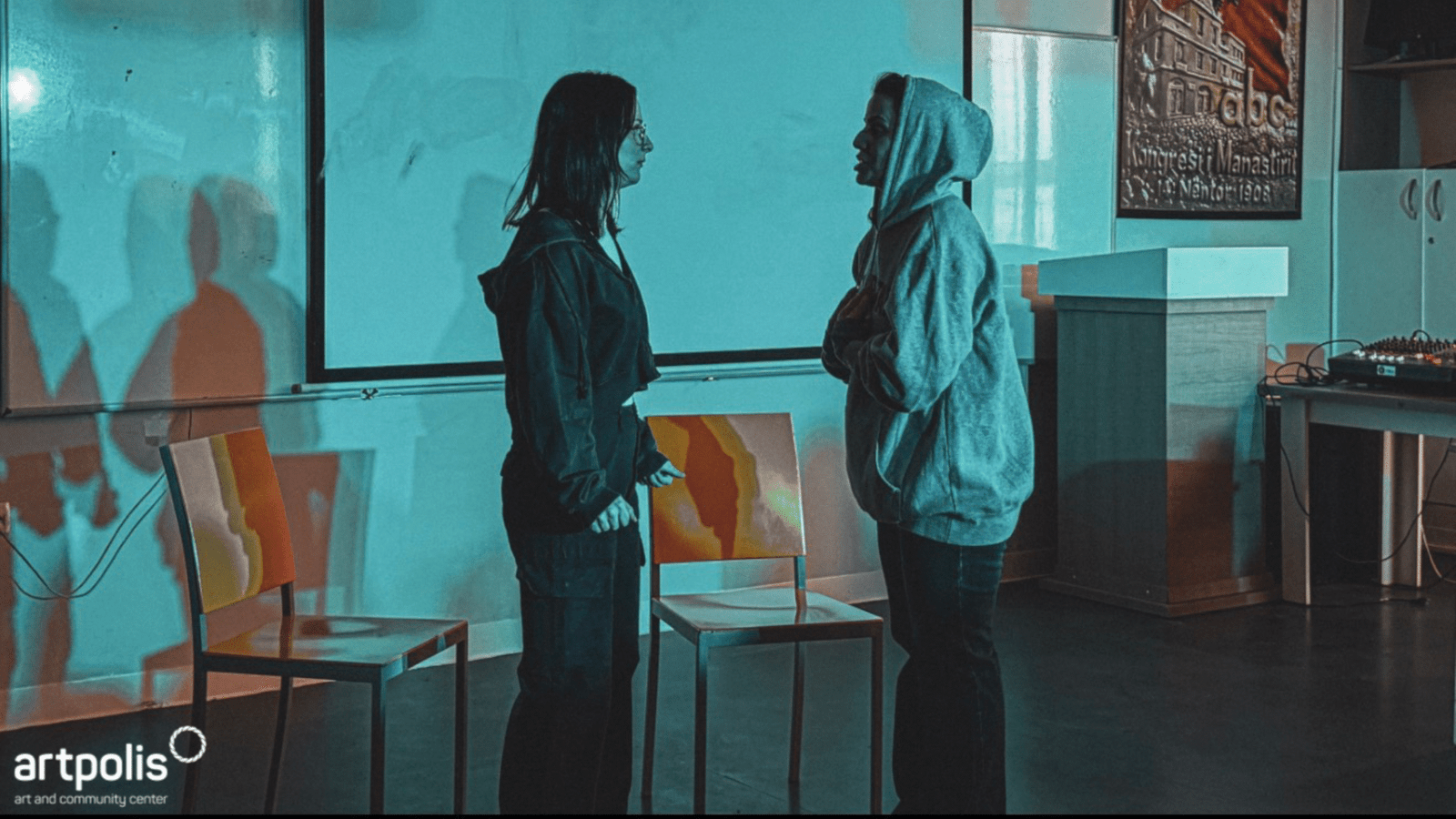
This project is being implemented by KWN in partnership with the East West Management Institute, while the awareness campaigns are carried out by the following organizations: Organization of Persons with Muscular Dystrophy of Kosovo (OPDMK), Center for Inclusion of Women (ZEC), Artpolis, NRAEWOK, and Kosovo Law Institute (KLI). As part of these initiatives, various inclusive campaigns are being implemented across the country, aiming to inform and empower communities on how to recognize and address gender-based violence.

Through the “Door to Door” campaign, implemented by OPDMK, ZEC, and RrOGRAEK, a total of 1,637 individuals have been reached in the municipalities of Prizren, Suhareka, Peja, Mitrovica, North Mitrovica, Zvečan, Gračanica, and Novo Brdo, including the villages of Hasi, Vërnica, and Zhupa.

The campaign has also involved persons with disabilities, as well as members of the Roma, Ashkali, Egyptian, and Serbian communities, demonstrating a truly inclusive and diversity-sensitive approach.

Antigona Shestan, Executive Director of OPDMK, emphasized the importance of the campaign, stating: “Violence against persons with disabilities whether at home, in the community, or online should never be silenced. Every person who experiences violence should have the courage to report it.”

A woman from a rural area who participated in the campaign shared this touching message: “In rural areas, where silence often speaks louder than words, you have broken barriers and brought us support through your visit.”

The campaign is also accompanied by a powerful awareness video prepared by OPDMK, which highlights the importance of recognizing and reporting gender-based violence. Watch the video here.

KWN sends Budget Recommendations to the Ministry of Justice

Last week, KWN sent a letter with recommendations to the Ministry of Justice in the context of ongoing preparations for the 2026 budget. The recommendations are based on KWN’s research and focus on gender-responsive budgeting (GRB). That is, ensuring that public funds address the differing needs of women, men, boys, and girls, in line with Kosovo’s legal framework and international best practices. Implementing GRB strengthens transparency, accountability, and efficiency in government spending, while advancing gender equality. Read the full letter here.

KWN sends Budget Recommendations to the Prosecution Council

Yesterday, KWN sent a letter with recommendations to the Prosecution Council in the context of ongoing preparations for the 2026 budget. The recommendations are based on KWN’s research and focus on gender-responsive budgeting (GRB). That is, ensuring that public funds address the differing needs of women, men, boys, and girls, in line with Kosovo’s legal framework and international best practices. Implementing GRB strengthens transparency, accountability, and efficiency in government spending, while advancing gender equality. Read the full letter here.