KWN sends Budget Recommendations to the Ministry of Finance, Labour and Transfers

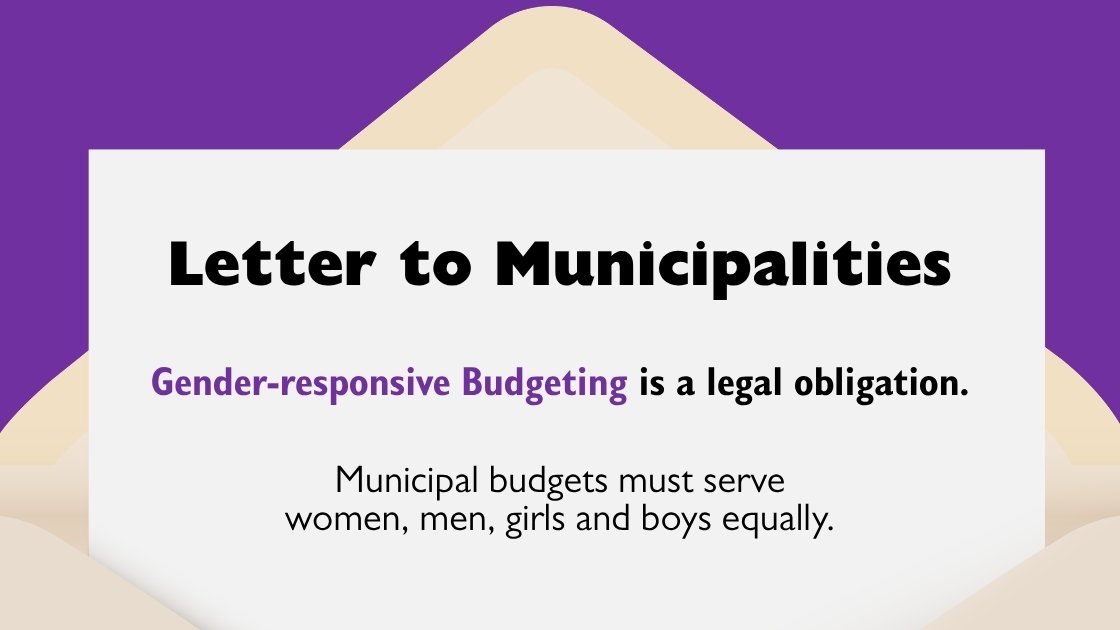
Today, KWN sent a letter with recommendations to the Ministry of Finance, Labour and Transfers in the context of ongoing preparations for the 2026 budget. The recommendations are based on KWN’s research and focus on gender-responsive budgeting (GRB). That is, ensuring that public funds address the differing needs of women, men, boys, and girls, in line with Kosovo’s legal framework and international best practices. Implementing GRB strengthens transparency, accountability, and efficiency in government spending, while advancing gender equality. Read the full letter here.

From Health Education to Lasting Support for Survivors of Sexual Violence

In Kosovo, the wounds of war remain vivid for many women who survived sexual violence. For years, these women have carried both the physical consequences and the mental weight of war trauma. Accessing health services has often been difficult, and emotional healing even more so, as stigma and isolation keep many from seeking the support they need.

The Centre for the Promotion of Women’s Rights (CPWR) in Drenas, a steadfast advocate for survivors, stepped in to make a difference. Their initiative was designed around the needs expressed by the women themselves, with a clear mission: to provide not just information, but practical support that would empower survivors to take care of their health and reclaim a sense of agency.

Building Confidence Through Care, Knowledge, and Connection

Throughout the initiative, 50 members of the Centre, all survivors of wartime sexual violence, took part in a programme that combined medical care, education, and psychosocial support. Gynecological check-ups ensured that each woman received essential medical attention, while informative lectures on breast and cervical cancer provided clear and accessible information about personal healthcare. Beyond gaining knowledge, participants built confidence to make informed decisions about their own bodies, noting that they had previously received very little information on these topics. Group psychosocial sessions paired with recreational activities offered an opportunity for women to connect with others who shared similar experiences. In a safe and understanding environment, they could express themselves, strengthen their mental well-being, and build new friendships.

From Individual Healing to Systemic Change

CPWR’s efforts did not stop with individual support. They recognized that lasting change required a healthcare system more responsive to women’s needs. While survivors were building confidence and knowledge, CPWR also engaged with doctors, health officials, and the Patients’ Council to ensure that women’s voices reached decision-makers. And change began to happen. For the first time, survivors had trusted representatives inside the system, reviewing complaints and making sure they were taken seriously. Health centres were reminded to keep complaint forms and boxes available, giving patients a real way to speak up. And when a simple mobile phone was donated to the Patients’ Council, along with a dedicated number provided by the municipality, women suddenly had a direct line to raise their concerns or seek help. “Our members have used it [the phone number] for appointments but also for reporting on the quality of health services,” says one of CPWR’s staff members.

Continuing the Journey: Solidarity, Wellbeing, and Empowerment

Since the project concluded, CPWR’s group sessions have evolved into a consistent safe space where survivors can come together. Today, CPWR hosts three support groups of 10 women each, who meet monthly at the Centre to take part in recreational activities such as painting, handicrafts, traditional cooking, artistic creations, and book reading. This network serves as a lasting source of solidarity, helping participants navigate both the lingering effects of trauma and the challenges of daily life, while also simply enjoying each other’s company.

Through CPWR, the women who took part in the initiative have also had the chance to visit the office of the Patients’ Council, which is located within the premises of the Family Medicine Centre in Drenas. They got to meet with Council members, who helped ensure that the women were prioritized in scheduling appointments for health services at the Family Medicine Centre. Dr. Sofie Dobra held a lecture on diabetes and blood-glucose monitoring, in cooperation with lab technicians Rrahime Binaku and Shukrije Mala. Women with elevated levels were able to have laboratory analyses and follow-up treatment at the Family Medicine Centre. These services are now offered on a monthly basis.

CPWR’s work went beyond addressing immediate health needs; it also fostered systemic change and created lasting pathways for resilience and mutual support. For survivors of sexual violence, this represents a move toward healing, dignity, and the realization that they are not alone. “Food, sleep, and health are key to wellbeing and a normal life. They are basic human rights, which should not be denied,” says one of CPWR’s staff members. “Women – especially those who have been marginalized, isolated, and without support – deserve to know where they can find the right support to secure these rights.”

CPWR’s initiative “Supporting Women Survivors of Sexual Violence through Health Education” was carried out with support from the Kosovo Women’s Network via the Kosovo Women’s Fund, with funding from the Austrian Development Agency and the Swedish Development Agency, in the amount of €9,930, from February to June 2024. The initiative contributed directly to KWN’s Programme “Improving Gender Equality through the Rule of Law” by raising the participating women’s awareness of their healthcare rights and supporting them in exercising those rights.

KWN sends Budget Recommendations to the Ministry of Education, Science, Technology and Innovation

Today, KWN sent a recommendation letter to the Ministry of Education, Science, Technology and Innovation in the context of ongoing preparations for the 2026 budget. Our recommendations focus on gender-responsive budgeting (GRB). That is, ensuring that public funds address the differing needs of women, men, boys, and girls, in line with Kosovo’s legal framework and international best practices. Implementing GRB strengthens transparency, accountability, and efficiency in government spending, while advancing gender equality. Drawing from KWN’s research, KWN provided to the Ministry of Education, Science, Technology and Innovation the following recommendations:

  • We strongly recommend that the Ministry of Education, Science, Technology and Innovation (MESTI) invest directly in and encourage municipalities to budget for establishing more affordable public childcare centres and kindergartens, particularly in rural areas. By setting concrete targets and budget allocations based on comprehensive needs assessments, municipalities can address high unemployment and inactivity rates. KWN has estimated that expanding childcare options can create approximately 9,899 new jobs, transforming unpaid care work into paid employment. This also will enable more women to enter the labour market and improve educational outcomes in line with the EU Barcelona Objectives. The Government has committed to these investments in the National Development Strategy, and now budget allocations must be made. While the Government has relied on international donations for improving childcare availability, we implore MESTI to allocate more such funds and to strongly encourage municipalities to do similarly. We hope for reduced reliance on external funding to ensure sufficient and sustainable budgetary resources for the future for this important national development priority.
  • We strongly encourage MESTI to include GRB in the Education Strategy and Action Plans, the annual education budget, and other early childhood education (ECE) and social assistance policies and legislation to improve the quality of ECE and promote learning that challenges harmful stereotypes. Please budget for implementing gender-responsive pedagogy and quality assurance, including indicators for assessing the implementation of curricula, the quality of services, and the beneficiaries of services for girls and boys, using KWN’s established methodology. Budget lines should allocate funding for quality assurance strategies, social schemes, recruitment strategies (particularly for men in ECE), community engagement activities, and training, including obligatory teacher training to ensure teachers can implement curricula that provide diverse girls and boys with equitable learning opportunities. Investing in quality education can ensure that budget allocations translate into meaningful gender equality outcomes, in line with the EU Gender Action Plan III, CEDAW, SDGs, and the EU Barcelona Objectives.
  • We also strongly encourage MESTI to publish the annex to your Ministry’s 2026 Budget, requested by the Ministry of Finance, Labour and Transfers and in line with SDG 5.c.1., explaining transparently how your 2026 budget will contribute to furthering gender equality and the related expenditures foreseen.

Read the full letter here.

External Evaluation of the Further Advancing Women’s Rights in Kosovo II Action Implemented by KWN

The Kosovo Women’s Network (KWN) invites qualified and experienced consulting firms or organizations to submit bids for an External Evaluation of the “Further Advancing Women’s Rights in Kosovo II” Action. This procurement is conducted in accordance with KWN’s procurement policies and applicable donor guidelines, ensuring a fair, transparent, and competitive process. Interested bidders are requested to review the full Instructions to Bidders and submit their proposals in line with the requirements outlined in the attached documents.

Now We Know Our Rights: Women in Parteš Take Charge of Their Health

In the small rural municipality of Parteš, many women face more than just daily household chores and responsibilities. They often confront long-standing barriers to healthcare that leave their physical and mental well-being in the shadows. “I used to think going to the doctor was only for when you’re very sick,” says Milena, a 48-year-old mother of three from a village in Parteš. “I didn’t know I had the right to ask questions or to take care of my health proactively.”

For many women like Milena, accessing even the most basic health services is difficult. Limited transportation, a lack of information and cultural expectations that women prioritise family needs over their own often mean that their health, especially reproductive and mental health, goes unattended. The Access to Healthcare study by the Kosovo Women’s Network (KWN) found that 91.1% of surveyed women had not had a breast cancer screening in the last five years, and 92.4% had never had a cervical cancer screening. These challenges are compounded for women with lower levels of education and little exposure to public health messaging.

Moravski Biser wanted to address these issues and bring change, particularly for marginalised groups, ensuring better conditions and services that support both physical and mental health. They also aimed to raise women’s awareness of their equal right to healthcare and to challenge and eliminate discrimination against women within the health system.

Through a series of workshops, community discussions, and face-to-face meetings, women in the villages of Parteš began to learn about their rights, the health services available to them, and how to navigate a healthcare system that once felt distant and inaccessible. In total, 25 women attended nine different workshops covering a range of topics, including reproductive health, mental well-being, how to file a complaint if rights were violated, and an overview of Kosovo’s health system and relevant legal frameworks. The sessions created a safe space for honest conversations, shared experiences and, for some, their first real understanding of what self-care can truly mean.

One of the younger participants, Jovana, 26, shared, “Before, I would just accept whatever the nurse or doctor said. Now I feel I can ask, I can understand. I even talked to my mother-in-law about getting a regular check-up.”

The ripple effects of the sessions were visible almost immediately. Not only did participants begin taking steps to use local health services, but they also started sharing what they learned with family and neighbors, extending the reach beyond those who attended the diverse trainings. It’s estimated that over 100 indirect beneficiaries, mostly friends and relatives, were positively impacted through this informal knowledge sharing.

Recognising the importance of systemic support, the initiative also brought local officials to the table. Meetings were held with the municipal departments of health and finance, where women’s needs were directly communicated. One important outcome was the submission of an official request to hire a municipal psychologist to offer psychological services, a groundbreaking proposal in a community where mental health is rarely discussed, let alone treated. Officials expressed support, and the request is now under consideration. This was the first time they had such a detailed conversation about women’s health with the community. It gave them a clearer picture of what they can improve.

The initiative didn’t just raise awareness. It strengthened connections between women and local institutions, built confidence, and opened the door for future change. No formal complaints were filed during the project, not because violations didn’t exist, but because the women had never before understood how or that they had the right to speak up. Now, they do.

Dragana Petrović, Deputy Director of Moravski Biser, shares, “The women who participated in all or some of the workshops gained a lot of knowledge about how to properly use the healthcare system. They have since made use of it when needed.” She continues, “We have remained in contact with all the women who took part in the workshops, continuing discussions on these topics and offering support, such as advice on whom to turn to. They have also maintained contact with the lecturer, who works within the healthcare system, which has been of particular importance when assistance is necessary.”

Moravski Biser’s initiative “Equal healthcare for all” was carried out with support from the Kosovo Women’s Network via the Kosovo Women’s Fund, with funding from the Austrian Development Agency and the Swedish Development Agency, in the amount of €4,971, from June to November 2023. The initiative contributed directly to KWN’s Program “Improving Gender Equality through the Rule of Law” by raising women and girls’ awareness of their healthcare rights and the importance of exercising them, and by motivating local institutions to eliminate barriers to healthcare access.

Kickstart Your Career and Make a Difference: Join the Kosovo Women’s Network as a Research or Design Intern!

Research Intern

Are you passionate about gender equality and eager to contribute to meaningful work? As part of our research team, you’ll support research, policy analysis, and writing that shape real-life policies. Possible tasks include transcribing interviews, conducting qualitative coding, supporting data collection, assisting with report drafting, monitoring policy recommendations, and other responsibilities as needed.

Design Intern

Do you love creating eye-catching visuals? We’re looking for a creative (graphic) design intern to help bring our work to life. From cover pages for research reports to social media graphics, your designs will support campaigns, publications, and advocacy efforts that amplify feminist voices in Kosovo and beyond.

Interning with KWN

This is a chance to gain experience and visibility, build your portfolio, and put your skills to work for a cause that matters! Our internships are unpaid but flexible, open to women and men in Kosovo and around the world. English is required, while Albanian and/or Serbian language skills are an asset.

Application

To apply, send your CV and a short cover letter telling us a bit about yourself to info@womensnetwork.org. If you are applying for a design internship, we encourage you to attach a few examples of your previous work.

Bridging Art, Archives and Activism: Lucia’s Internship with KWN

Lucia Caputo grew up in a household where values like caring about “everyone and anyone” were central. From a young age, she was exposed to conversations about women’s rights, gender equality and LGBTQI rights as well as to the idea of accepting people as they are. As she grew older, Lucia realised these were not only personal values but also emerging academic fields she could explore. This led her to combine her major in Art History with a minor in Gender, Women’s and Sexuality Studies at Carleton College, Minnesota, USA. These two fields, she explains, have significant crossover, especially when it comes to contemporary and modern art. As part of her studies, Lucia has recently completed an internship with the Kosovo Women’s Network (KWN), facilitated through Isla Internships. This has allowed her to deepen her understanding of gender equality and apply her academic and work background in a real-world setting, working alongside activists who are shaping policy and driving change.

Lucia first learned about Isla Internships during an information session at her school. She also knew someone who had interned in Kosovo the year before. After reaching out to the Isla team to share her interests, she was “matched” with  KWN, which stood out for offering the most promising and interesting opportunities.

Lucia arrived in Kosovo eight weeks ago, just after the FemArt Festival had ended, an event she would have loved to attend given her academic background. Although this was her first time in Kosovo, she found the transition easy. With a French mother, she has spent a lot of time in Europe and sees cultural similarities. Lucia has enjoyed many aspects of life in Pristina, including the coffee culture, which pairs perfectly with one of her favorite pastimes: “people watching” from one of Pristina’s many cafés.

Lucia has previous experience in museum and archival settings. She works in her campus museum’s collections and has done extensive cataloging and organising projects, including archival work for small businesses and even a dentist’s office. Her internship at KWN has drawn heavily on these skills. Lucia has helped reorganise and alphabetise archives, online databases and KWN’s library, improving access for staff and visitors. When asked about where her love for archiving comes from, she laughs and says, “I guess I’m just a very organized person – it’s something that calms me in a way.” “I like jobs where you’re front-facing and you see people and interact, but I also like organizing and archiving because it’s a solo job – you take time to yourself.”

Another project Lucia has worked on during her time at KWN is a story on the Kosovo Women’s Fund, reflecting on its impact since 2012, especially now that KWN has had to pause the Fund for the first time since its inception. Working on the piece taught her a lot about the writing and revision process: “As a student, when you’re writing essays or papers, there is a revision process, but with a lot less people. It was very interesting to see the story ‘go through’ a bunch of people, especially when it’s something that needs to be translated into other languages – I hadn’t had experience with that before.”

Reflecting on gender and social issues, Lucia observes that both Kosovo and the U.S. have strong gender roles and norms. One positive difference she sees in Kosovo is the visible effort to address these issues, especially among civil society: “Here, people are really taking initiatives.” While civil society is active in the U.S. as well – especially nonprofit organizations in her home state of California – they focus mainly on “filling gaps” in state services. Lucia feels that in Kosovo, NGOs like KWN play a significant role also on the policy-level.

Looking back on her internship, Lucia says she has really enjoyed her time at KWN, as well as in Kosovo. The country’s location has made weekend travel easy, and Lucia has visited Prizren, which she found beautiful, as well as neighboring Albania, North Macedonia and recently Greece. Talking to other Isla interns, she noticed that some felt their work was slow or that they did not have too much to do. Lucia really cannot relate – she feels like it’s always busy at KWN, and there is always something to do, which is a good thing: “Gender equality is not something that just slows down during the summer,” she says with a smile.

On her last day with KWN, Lucia reflects on the experience she has gained from an organisation working at the grassroot level, as well as the perspective she has gained from working abroad. She is confident these experiences will benefit her future career. She leaves with an even stronger commitment to advancing gender equality wherever she goes.

If you would like to contribute to KWN’s work, we always need and welcome volunteers from diverse backgrounds, experience levels and locations. To learn more about our Volunteer Program, please contact us at info@womensnetwork.org.

New Gender Equality Strategy Presents Opportunity for EU to Further Equality

Gender equality is a fundamental value of the European Union (EU), and the EU has stated that it “wants men and women to have equal rights”. The EU plans to achieve this through its forthcoming Gender Equality Strategy, under public consultation until 11 August.

Today, the Kosovo Women’s Network (KWN) provided input, emphasising that the EU must institutionalise gender mainstreaming into policy processes, including ensuring gender-responsive budgeting. The EU also must ensure financial support to women’s rights organisations (WCSOs) and networks working to further gender equality, as key allies and watchdogs for government accountability.

In line with established international best practices, including those put forth by the European Institute for Gender Equality, the EU must: 1) institutionalise gender impact assessments to inform ALL laws, policies, strategies and action plans across ALL policy areas / sectors; 2) based on these analyses, integrate attention to furthering gender equality in policy documents by stating clear objectives, indicators and actions; 3) utilise gender-responsive budgeting to ensure adequate budget allocations for implementing commitments to furthering gender equality, linking objectives with clear allocations; and 4) monitor and evaluate progress through use of gender impact analyses, to inform future policies, strategies and budgets.

In particular, the EU must ensure a gender-responsive approach to security, in line with its commitments to the Women, Peace and Security Agenda.

In development cooperation, the EU must continue to play its crucial role in preventing conflict and authoritarianism while promoting security, democracy, good governance, rule of law, justice, social protection and economic development. Thus, ALL external action, aid and development assistance MUST have a gender-responsive or transformative approach with clear objectives, indicators and budget commitments in the EU’s Multiannual Financial Framework. Women’s rights organisations, movements, and networks, currently under threat, are key allies for the EU; we need EU support to continue providing essential services and holding governments accountable through watchdog efforts and advocacy. Dedicated financing must be allocated for LOCAL women’s rights organisations work to further democracy, justice and good governance.

KWN recommended that the EU ensure that all social protection policies are based on intersectional gender analysis, have clear objectives towards gender equality and integrate attention to gender-specific needs, including protection from gender-based violence in line with Istanbul Convention commitments. The EU must allocate adequate financing for social protection services, particularly related to addressing gender-based violence in line with commitments to the Istanbul Convention. Related to housing, the EU should ensure that Member States earmark housing for single women, mothers and particularly survivors of gender-based violence, facilitating rehabilitation and reintegration.

Overall, KWN emphasised that furthering gender equality must be integrated into ALL EU policy areas, including Security and Defence; Justice and fundamental rights; Economic and Financial Affairs (including budgeting, trade, fiscal and tax policy); Education by transforming gender norms; Employment and Social Affairs, including skills, housing and health; Agriculture, Rural and Regional Development; Migration and Home Affairs, including asylum; External Action and International Partnerships including development cooperation and humanitarian aid, and multilateral agreements; Transport and Infrastructure, including mobility; Environment, Climate Change, and Energy; Digital Strategy; Research and Innovation; and Tourism and cultural heritage.

KWN’s inputs were prepared based on KWN’s extensive research, including several gender analyses across various sectors. Since 2010, KWN has monitored Kosovo’s EU Accession process from a gender perspective, as well as followed closely the EU’s work related to gender equality, including successive Gender Action Plans, external financing and the Women, Peace and Security Agenda.

This input was prepared as part of the Gender Budget Watchdog Network, supported by the Austrian Development Agency (ADA) and the Swedish International Development Cooperation Agency (Sida), though its content is KWN’s sole responsibility and does not necessarily reflect the views of ADA or Sida.

Activists Call for Gender Perspective in Berlin Process

Historically, the Berlin Process lacked a gender perspective. After several years of advocacy by women’s rights organisations, this has started to change. This year all sector working groups are posed to include a gender perspective, in addition to the specific group on Gender Equality and Diversity, which is particularly important in the context of shrinking space for women’s rights activists, organisations and movements.

The Kosovo Women’s Network (KWN) is proud to be part of a regional coalition of women’s rights organisations, supported by the Kvinna till Kvinna Foundation, that has been consistently preparing expert input to inform the Berlin Process. This year we have contributed to the coalition’s joint input for the working groups. Key recommendations across each sector include:

  • Common Regional Market and Growth: Require that gender impact analyses are systematically conducted to inform the design of all regional cooperation agreements and evaluate their effectiveness, ensuring they do not reinforce or exacerbate gender inequalities. 
  • Gender and Diversity: Institutionalise gender-responsive budgeting in all Western Balkans countries as part of ongoing EU-Accession-related public finance reforms, amending legal frameworks in line with SDGs (indicator 5c1) and the Public Expenditure and Financial Accountability (PEFA) Gender Framework, towards ensuring adequate evidence-based and transparent use of public resources, including furthering gender equality. 
  • Reconciliation and Dealing with the Past: Ensure that all truth-telling and historical justice initiatives systematically integrate gender analysis, so that women’s experiences of conflict, including violations of sexual and reproductive rights, are fully acknowledged and not overlooked. 
  • Good Governance: Ensure meaningful participation of diverse women’s CSOs and gender experts in drafting, reviewing, and monitoring all legal reforms via transparent public consultation processes, including related to justice sector reforms. 
  • Environment, Energy, and Decarbonisation: Conduct systematically and utilise intersectional gender analyses to inform environment, climate change, and energy transition policies, in line with GAP III. Analyses should assess the differentiated impact of climate change related policies on diverse women and men, especially marginalised groups, and guide the development of inclusive, gender-responsive policies. 
  • Security: Ensure all security sector related reforms are based on gender analysis, considering diverse women and men’s need. Implement fully and fund adequately implementation of the Istanbul Convention and related legislation to address all forms of gender-based violence. Ensure that national strategies for addressing gender-based violence tackle systemic gaps through sustainable financing, inter-sectoral coordination, gender-disaggregated data, sufficiently trained professionals in all relevant institutions, public education and survivor-centred justice and support services.

These recommendations have been shared with the rapporteurs of the different thematic groups, and KWN looks forward to collaborating with other working group members to advocate for these recommendations to be raised within the Berlin Process, securing commitments from governments for their address.

The Berlin Process is a regional cooperation initiative that brings together Western Balkan countries and European Union members to support peace, stability, and EU integration in the Western Balkan region. Since its launch in 2014, the process has focused on fostering dialogue, economic growth, and political reform. Civil society organisations have played an increasingly important role in shaping the agenda and pushing for greater inclusion, accountability and gender equality as part of this process. This year the Civil Society Forum that prepares inputs and the Gender Equality Forum that provides insight into the process are being supported by the Government of the United Kingdom.

Breaking the Silence: Psychological Violence in Kosovo 

Melisa Kadolli, Court Monitor and Legal Coordinator at the Kosovo Women’s Network (KWN), participated in the 3rd F’Oda Summit held from July 9–11, which this year focused on the theme of mental health, targeting high school girls.

During her presentation, the importance of breaking the silence and addressing psychological violence was emphasized, treating this form of violence as one of the most widespread yet also the most overlooked. The concept of psychological violence was explained, including its criminalization in Kosovo’s legislation, as well as the numerous challenges victims face during the reporting process — from fear of stigma and lack of trust in responsible institutions, to delayed and often inappropriate institutional responses.

Another important aspect discussed was the phenomenon of institutional “burnout,” which manifests through lack of sensitivity, negligence, and inadequate handling of violence cases. This often results in inaction or delayed reactions by institutions mandated to protect victims.

At the end of the presentation, participants were informed about the rights guaranteed to them by law and the protective measures that can be requested in cases of gender-based violence. Information was also shared about the work being done within KWN’s Program to combat and address gender-based violence, including the importance of legal support for survivors of violence.

KWN remains open to collaboration and provides support to victims of gender-based violence through free legal counseling and referrals to relevant institutions. If you need free legal assistance for cases of gender-based violence or know someone who does, contact us at: 048 105 800.