Education on Social Rights Continues Through Practical Workshops 

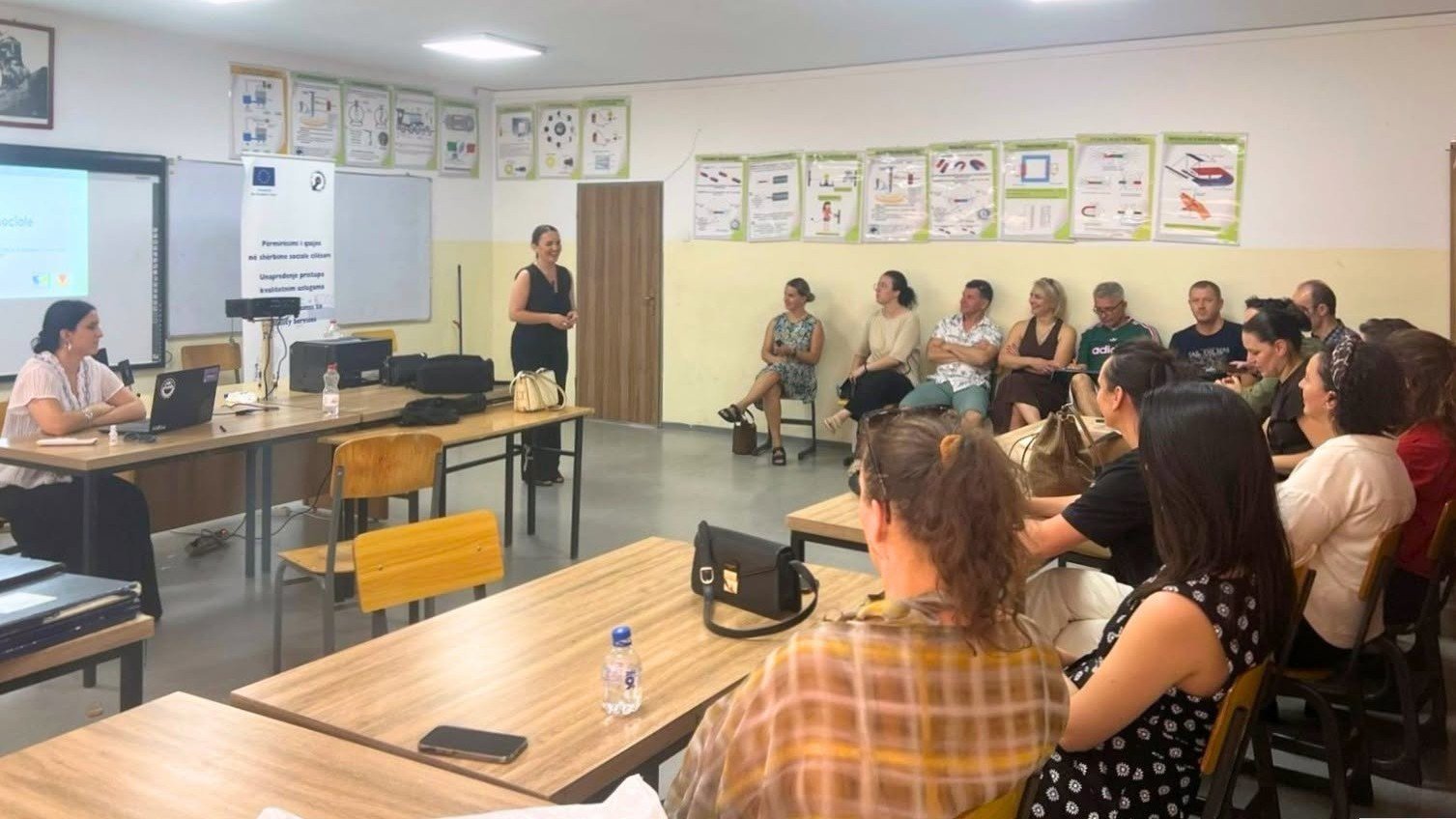
On July 30, 2025, within the framework of the project “Strengthening the capacities of civil society to improve access to quality social protection for diverse women and men”, supported by the European Union (EU) Office in Kosovo, another workshop was held with the participation of the Roma, Ashkali, and Egyptian communities, in cooperation with the Network of Roma, Ashkali and Egyptian Women’s Organizations of Kosovo (RROGRAEK).

The workshop, titled “Legislation on Social Protection, Rights, and the Complaint Procedures”, was led by lawyer Fitim Gashi and held at the premises of the Kosovo Women’s Network. It aimed to strengthen participants’ knowledge and capacities to understand the rights guaranteed by Law No. 08/L-255 on Social and Family Services and to take action in cases of violations.

The workshop covered the content and scope of the law, the fundamental principles it is based on, the types of services guaranteed to citizens, and the procedures to follow when these rights are not upheld by the relevant institutions.

Participants shared personal experiences where their rights had been violated, or they had been unfairly treated by institutions. Through practical examples and direct discussions, they had the opportunity to better understand the role of responsible institutions and how to act in cases of legal violations.

At the end of the session, the importance of reporting cases through legal mechanisms was emphasized: “If we don’t report them, they continue.” However, participants also expressed concerns about the lack of institutional response: “As long as those people are in charge, it’s pointless,” “They say if you have a clean shirt, you don’t need social assistance,” and “The law exists, but for our communities it’s a problem—no one takes you seriously.”

This workshop contributed to raising awareness and building the capacity of participants to recognize and defend their social rights, further reinforcing the role of civil society organizations in supporting communities facing exclusion and discrimination in accessing social services.

Little Grants, Big Changes: Reflecting on the Legacy of the KWN Kosovo Women’s Fund 

“This project has helped me better understand my rights as a woman in Kosovo,” shared a woman who participated in Norma’s roundtable on property rights. “Now I feel more confident to claim what belongs to me according to the law.” This small moment, which was revolutionary for this woman, is one of thousands made possible by the Kosovo Women’s Fund of the Kosovo Women’s Network (KWN).

Since 2012, the Fund has provided essential support to women’s rights civil society organisations (WCSOs), empowering diverse women, furthering capacities, amplifying voices and transforming communities. The Fund has distributed more than €1 million in funding to 107 CSOs through 197 grants across six WB countries. More than 21,028 women, girls, boys and men benefited directly; 3,909 women engaged in decision-making processes—many for the first time; and 30 public policies were amended to better reflect the needs of women and girls in Kosovo! In a landscape where complex application processes often exclude small CSOs, the Kosovo Women’s Fund offered something rare and unique: accessible, tailored support grounded in feminist principles of solidarity and empowerment.

“It helped so many women,” said Donjeta Berisha, who worked for the Fund for over a decade. “The way it functioned was amazing, mainly at the grassroots level, so we reached women who weren’t necessarily reachable otherwise.”

This month, KWN closed out the last remaining Kosovo Women’s Fund grant. As the Fund pauses its operations for the first time since its inception, due partially to insufficient financing amid global development cuts and shrinking space for WCSOs, we wanted to pause and reflect on the big changes made possible by the Fund’s small grants.

Representing only a fraction of initiatives supported by the Kosovo Women’s Fund, here’s a glimpse at its impacts:

  • Supported 432 advocacy initiatives, including several that led municipalities to adopt gender-responsive budgeting practices 
  • Increased public funding for women at municipal and national levels following WCSOs’ advocacy efforts 
  • Drafted or contributed to drafting action plans for gender equality in several municipalities that were subsequently adopted  
  • Ensured women from ethnic minorities, with disabilities and survivors of violence could participate in local decision-making processes 
  • Secured free transportation for children living more than five km from school in Vushtrri   
  • Trained healthcare workers in Gjakova to use trauma-sensitive approaches with survivors of sexual and domestic violence
  • Inspired 3,095 women and girls to advocate for their right to healthcare  
  • Expanded access to healthcare, enabling women, particularly rural and marginalised women, to access gynaecological services, often for the first time 
  • Documented and reported 32 health rights violations, holding health institutions more accountable to providing quality healthcare 
  • Advocated successfully for municipalities to open Family Medicine Clinics in Brestovc, Zoqisht and Denjë (Rahovec), providing healthcare to rural areas 
  • Launched a health hotline in Drenas Municipality in cooperation with the Patients’ Council, improving healthcare access in rural areas  
  • Empowered 10,204 women to become more aware of their inheritance and property rights, and supported 335 women to claim their rights through the Fund and other KWN initiatives, including six survivors of violence  
  • Waived taxes for women in Gjakova who wanted to start their own business, which led five women to immediately start businesses   
  • Provided young women with digital skills that created income opportunities in marketing, freelancing and entrepreneurship  
  • Strengthened the long-term sustainability of WCSOs by funding core operations, capacity development and staff retention

These actions led not only to policy shifts and expanded services, but also to deep personal transformations among beneficiaries. Many explained how this knowledge ripple outward: “Knowing where to turn when your rights are violated is very important,” said a beneficiary of EcoKos Women. “I’ve learned a lot and will use this knowledge to protect myself and others.”

KWN established the Kosovo Women’s Fund in 2012 with support from the Kvinna till Kvinna Foundation. The Fund was rooted in transparency, accountability and community ownership. Calls for proposals were posted on the KWN website and shared with member organisations. A grant review committee, elected by KWN members, evaluated proposals against clear criteria that KWN members established. CSOs that did not receive funding in one cycle received detailed feedback from the committee and were encouraged to revise their proposals and reapply in future rounds, as the Fund sought to support solidarity, growth and inclusion rather than competition. All funded initiatives were transparently published via press releases and the KWN website.

“The Fund wasn’t just about giving out grants,” said Donjeta. “It was a platform to help organisations—it was learning by doing.”

Beyond financial support, the Kosovo Women’s Fund paired grants with tailored capacity-building. KWN offered mentorship and guidance throughout the project cycle, helping organisations develop skills in grant writing, financial management, project management and advocacy. This approach helped many organisations develop long-term skills that contributed to their sustainability, enabling them access future funding from larger donors. For many women activists, this built confidence and provided new tools for independence. It empowered many new activists to undertake advocacy independently.

“It wasn’t just about learning technical skills, but also gave me the chance to connect with other women and build a supportive network,” a woman noted.

The Kosovo Women’s Fund also fostered solidarity across ethnic lines. Grantees included Albanian, Serb, Roma, Ashkali, Egyptian, Bosniak and Turkish women who often collaborated in joint initiatives, building bridges that transcended ethnic divisions. In communities where healthcare systems often failed to meet women’s needs, especially Roma, Ashkali and Egyptian women, small interventions led to big changes regarding healthcare rights and preventing discrimination. “I wish I had known that we could complain to someone about these cruel words that the doctors are telling us,” a woman shared after a workshop hosted by NGO Drugeza on healthcare rights. Another said the project changed how she sees her ability to demand care: “This project has empowered us and provided us with valuable knowledge. We now feel prepared to advocate for better healthcare services for our community.” Thus, these changes were not just numbers; they represent real women and real transformations in their lives.

For survivors of conflict-related sexual violence, the Fund helped create spaces of safety, solidarity and recovery. With the support of organisations like Medica Kosova, women were able to begin healing on their own terms. “Here I learned how to love and respect myself,” a participant from Gjakova municipality shared. “It’s a pity I didn’t come to the association earlier.” Another survivor from Decan emphasised the importance of independence, empowered through these meetings: “I don’t want to think about what others say about me; I want to secure a pension for myself without having to ask anyone for help.”

The Fund’s legacy thus lies in its ripple effect. Many once-informal groups became registered and organised. Struggles that had been invisible gained visibility, and grassroots voices found pathways into local and national policymaking.

“What made the Kosovo Women’s Fund especially remarkable was the team behind it,” Donjeta added. Over the years, several KWN staff worked tirelessly to support KWN members, to empower their advocacy and to support them in navigating donors’ procedures. “Strong collaboration created a powerful force that inspired others and ensured the Fund’s success, in both outcomes and spirit.”

Today, as the Kosovo Women’s Fund pauses its work due to a lack of resources, it leaves a critical gap for grassroots WCSOs. Many of these groups, especially in rural or marginalised communities, have long faced barriers to traditional funding due to shifting donor priorities, complex application procedures and donors’ preference to support large-scale grants. Limited staff capacity and lack of English proficiency further exclude them from most funding opportunities. Without the Fund’s accessible support, mentorship and training, many WCSOs face risks of reduced operations, staff and even closure. Meanwhile, many WCSOs and activists will continue, empowered with the skills gained through the Fund’s support, striving to continue the movement.

“Behind every grant is a woman, or group of women, who dared to raise her voice, challenge injustice and build something better,” said Gentiana Murati, who managed the Kosovo Women’s Fund for several years. “The Fund is more than a source of financing; it’s a lifeline rooted in trust, solidarity and the unwavering belief that local women know best how to transform their communities. I’ve seen it turn ideas into impact and silence into advocacy, proving that when you invest in women, you strengthen democracy, dignity and justice.”

In a changing global funding landscape, the Kosovo Women’s Fund remains a model for how feminist, community-rooted grant-making can reach and empower the most marginalised. We at KWN are grateful for having had the opportunity to serve our members through the Fund and remain committed to supporting them through peer support, solidarity and joint initiatives in the future.

The Kosovo Women’s Fund has received support from the Kvinna till Kvinna Foundation, Austrian Development Agency, European Union in Kosovo, European Commission, Sigrid Rausing Trust, Swedish International Development Cooperation Agency, UN Women and UNFPA.

If you are interested in supporting KWN and our members’ incredible work, there are various ways to contribute, from volunteering to giving. Every cent you donate counts in our endeavours to support, protect and promote the rights of women and girls.

Kosovo Women’s Network Strengthens Municipal Mechanisms against Domestic Violence 

Over the past months, the Kosovo Women’s Network (KWN) met with five municipalities to formalize  the partnerships with their Municipal Coordination Mechanisms against Domestic Violence (MCMDV). KWN held initial briefing sessions in Lipjan, Peja, Podujevo, Ferizaj and Fushë Kosovë to introduce the “Strengthened Capacity and Mechanisms to Address Gender‑based Violence” initiative and to outline the activities planned in collaboration with each municipality’s MCMDV.

During these meetings, mayors, deputy mayors, and gender‑equality officers were briefed on the support KWN will provide to their coordination mechanisms. All five municipalities have agreed in principle to a Memorandum of Understanding, and signatures are currently being collected.

On 24 July 2025, KWN and the Municipality of Fushë Kosovë officially signed their MOU, laying the foundation for a sustainable partnership.

Adelina Berisha, Programme Director for Addressing Gender-Based Violence, and Besarta Breznica, Programme Officer for Addressing Gender-Based Violence at the Kosovo Women’s Network (KWN), met with Mr. Besnik Osmani, Deputy Mayor of the Municipality of Fushë Kosovë, and Ms. Lindita Dervisholli Prebreza, Gender Equality Officer at the Municipality, to sign the Memorandum of Understanding.

This week, KWN began conducting a detailed needs assessment of each MCMDV’s capacities and gaps in addressing gender‑based violence, including emerging online forms of abuse. Once data collection and analysis are complete, KWN will roll out tailored training modules for MCMDV members and provide ongoing support based on each municipality’s specific needs. These efforts are part of KWN’s contribution to improve the implementation of the Regulation for the Local Coordination Mechanism for Protection against Domestic Violence, Violence Against Women, and Gender‑Based Violence.

This cooperation is part of KWN’s and East-West Management Institute’s (EWMI, ewmi.org) initiative “Strengthening Capacities and Mechanisms to Address Gender-Based Violence,” supported by the U.S. Department of State: Bureau of Democracy, Human Rights, and Labor. Through this initiative, KWN will identify the needs of the mechanisms and provide tailored trainings that enhance institutional responses to victims of gender-based violence, particularly technology facilitated gender-based violence.

KWN provides free legal counseling and representation for all cases of gender‑based violence via the hotline: 048 105 800.

KWN, KCSF Partner to Further Civil Society Capacities for Gender Mainstreaming

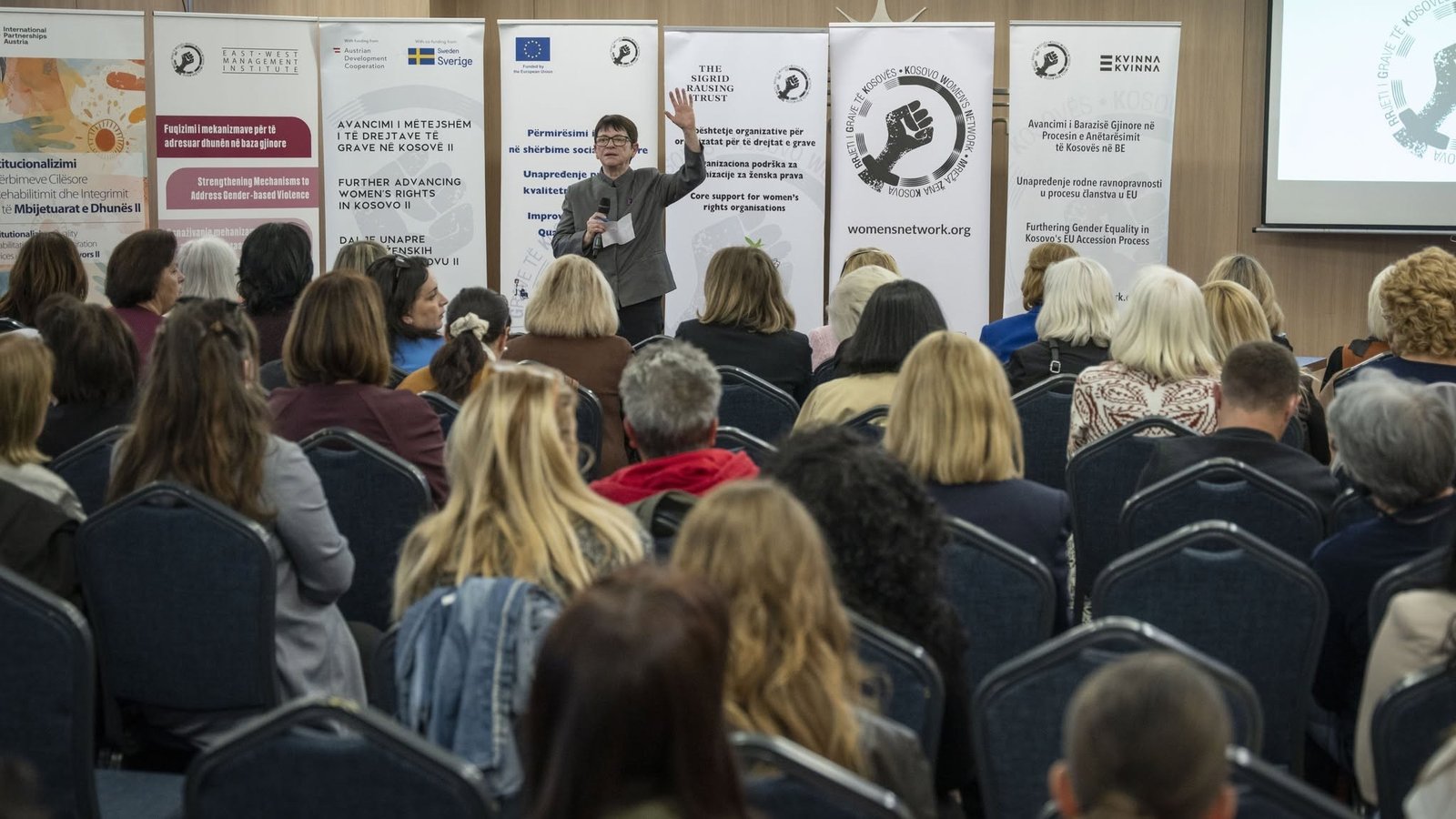
On 22–23 July 2025, the Kosovo Women’s Network (KWN) collaborated with the Kosovar Civil Society Foundation (KCSF) and Community Building Mitrovica (CBM) to support the second module of the School for Activism, focused on Gender Mainstreaming Civil Society Work.

Nicole Farnsworth, Deputy Director and Lead Researcher at KWN, contributed to the training by applying more than two decades of experience in advancing gender equality in Kosovo and internationally. She guided participants through key gender concepts, gender equality challenges in Kosovo, gender-responsive programming and concrete methods for applying a gender perspective across all stages of the project cycle.

In the final session, Donjeta Morina, a gender equality expert, led an interactive discussion on applying a gender lens in Monitoring, Evaluation, and Learning (MEL), offering practical insights from her work with institutions and civil society.

Participants found the training highly relevant. One stated, “While we had some basic knowledge, this training was incredibly valuable. It gave us the tools we actually need to apply gender mainstreaming in our organizations.”

This cooperation reflects KWN’s ongoing commitment to strengthening the capacities of civil society organisations to promote gender equality in practice, and KWN looks forward to continuing its collaboration with KCSF in future initiatives. The training was supported by the European Union and Sweden.

Disability Rights CSOs Empowered in Gender-responsive Budgeting and Social Service

The Organization of Persons with Muscular Dystrophy of Kosovo (OPDMK) held a workshop on 24.07.2025 in the Municipality of Fushe Kosovo, as part of the project “Strengthening the capacities of civil society to improve access to quality social protection for diverse women and men”, supported by the European Union, in partnership with the Kosovo Women’s Network (KWN) and Ruka Ruci.

During the workshop, participants deepened their understanding of Gender-Responsive Budgeting (GRB) and Law No. 08/L-255 on Social and Family Services, gaining practical skills for integrating a gender perspective into budgeting and policymaking processes. This activity aimed to strengthen the role of civil society in delivering inclusive, quality social services for all citizens.

KWN Strengthens Gender-responsive Budgeting Skills for Social Protection in Roma, Ashkali, and Egyptian Communities

Six Roma, Ashkali, and Egyptian activists were trained on Gender Responsive Budgeting (GRB) for Social Protection Services, as part of the project “Improving the Capacities of Civil Society to Increase Access to Quality Social Protection for Diverse Women and Men,” supported by the European Union (EU) Office in Kosovo.

Organised by the Kosovo Women’s Network (KWN), in cooperation with the Network of Roma, Ashkali, and Egyptian Women’s Organisations of Kosovo (RROGRAEK), the training held on 14 July 2025 aimed to strengthen local capacities to monitor and advocate for inclusive social protection reforms. Facilitated by Elirjeta Beka, Officer for Women’s Economic Empowerment and GRB, the training equipped participants with tools and knowledge to continue advocacy efforts within their communities.

More specifically, participants learned about GRB, the Law on Gender Equality, and how to analyse local annual and medium-term budget frameworks from a gender perspective. The training also addressed good and bad practices regarding citizen participation in the budgeting process, with a specific focus on budget allocations for social services. Participants discussed the importance of public consultations and how to submit effective recommendations during these processes. The group emphasized the need for all communities to be involved in local decision-making, especially during budget planning, to ensure their needs are reflected in policies.

Humanus Vita Sparks Change: Reimagining Sexual Education in Rural Kosovo

In the rural municipality of Drenas, where conservative norms historically have often shaped school practices, the NGO Humanus Vita took a bold step to challenge entrenched stereotypes and promote gender equality through education. Their initiative focused on 8th-grade Biology teachers and school principals across four public schools in urban and rural settings. They aimed to assess how sexual education is currently addressed in schools, as well as to build awareness and encourage concrete change within schools and institutions.

A Grounded and Inclusive Approach

Fully supported by the Municipal Directorate of Education via a Memorandum of Understanding, Humanus Vita were granted access for observing classrooms and interviewing teachers and principals. This provided direct insights from those implementing the curriculum. Over the following weeks, Humanus Vita staff observed eight biology classes where sexual education topics were covered, even though such topics are formally planned for the second semester. This flexibility, granted voluntarily by teachers, was a clear sign of their willingness to improve how these subjects are taught. Simultaneously, structured interviews were conducted with four teachers and four school principals. Interviews explored how topics such as puberty, Sexually Transmitted Infections (STIs), sexual identity, and gender norms were being taught or avoided, and how much training teachers had received to handle them. Data revealed several gaps: no Biology teachers had been trained in gender-responsive or transformative teaching methods, or in sexual education. Moreover, while teaching, some teachers showed signs of bias toward Lesbian, Gay, Bisexual, Transgender, Queer, Intersex and other identifying persons (LGBTQI+) issues, highlighting a pressing need to address stereotypes among educators.

Meanwhile, student engagement, especially among girls, was high. Teachers noted that students, when given the space, asked questions without hesitation and showed great interest in accurate, age-appropriate information. A teacher remarked, “The pace of life and the information students access online make it essential for them to receive accurate and scientific education about sexually transmitted diseases, family planning, sexual identity, and puberty.”

From Data to Advocacy

After gathering information, Humanus Vita engaged with local institutions. On 16 Nov, 20 participants from local government, civil society, schools, and media gathered to discuss findings and recommendations. This included the urgent need for teacher training, curriculum reform, and improved school infrastructure, especially for girls and students with disabilities.

A school principal emphasized, “I believe that sexual education should be included as a separate subject in the school curriculum.” The roundtable opened a broader conversation about transforming the current system. Key actors, such as the Director of Education, a municipal representative, and the Gender Equality Officer, expressed readiness to consider concrete measures, including integrating sexual education as a standalone subject or strengthening its place within the Biology curriculum.

Toward Sustainable Change

Rather than imposing change from the outside, Humanus Vita built trust with educators, creating space for honest discussion. Teachers and principals openly acknowledged the challenges they face, not only in terms of curriculum, but also in infrastructure, training, and support for gender equality.

Through media outreach, including coverage by Radio Kosova, Syri.net, and the Kosova Times, their initiative raised public awareness about the importance of scientifically accurate and inclusive sexual education.

While systemic transformation takes time, Humanus Vita’s initiative has already begun to shift attitudes and spark institutional reflection. As one participant concluded: “At a time when human values are beginning to fade, it is necessary to introduce moral and sexual education as a school subject.”

Humanus Vita’s initiative “Inclusion of Sexual Education and Challenging Stereotypes towards Transforming Gender Norms through Education” was carried out with support from the Kosovo Women’s Network via the Kosovo Women’s Fund with funding from the Austrian Development Agency and the Swedish Development Agency, in the amount of €4,916.00, from August to November 2023. The initiative contributed directly to KWN’s Program on Gender Transformative Education, which aims to reshape social norms through inclusive and equitable learning.

MWAHR Pushes for Gender-Responsive Budgeting in South Mitrovica

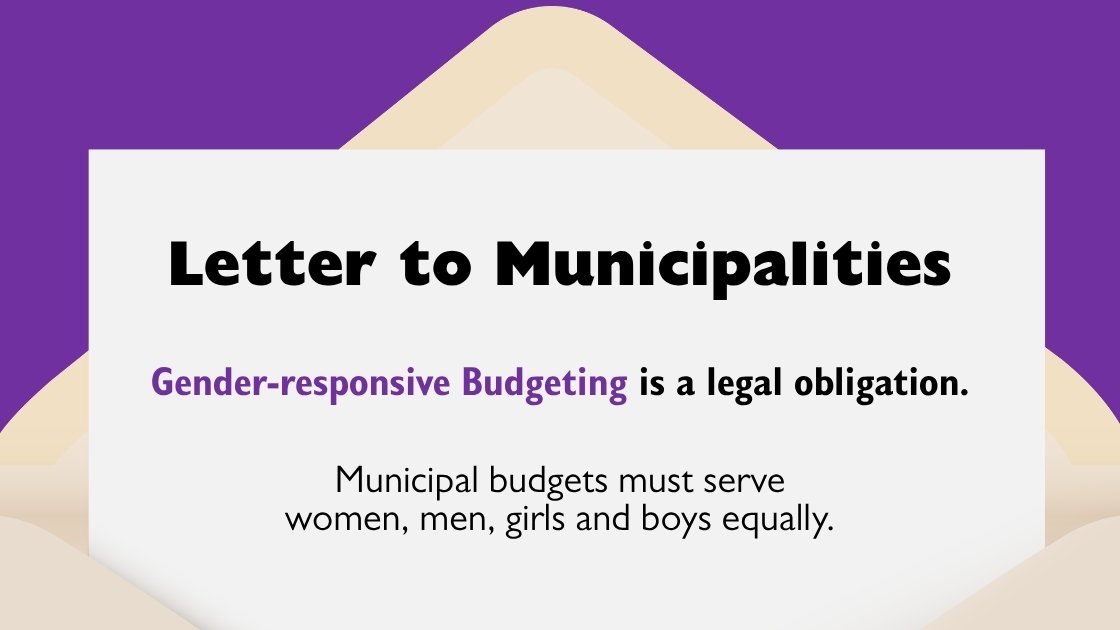
As part of the “Gender Budgeting as a Transformative Budget Tool for Municipal Institutions” project — and building on previous efforts to promote gender-responsive budgeting (GRB) — the Mitrovica Women’s Association for Human Rights (MWAHR), a member of the Kosovo Women’s Network (KWN), has continued its advocacy to ensure that GRB and the meaningful inclusion of women are reflected in the Medium-Term Budget planning process of the Municipality of South Mitrovica.

Between September 2023 and August 2024, MWAHR organized a series of consultative meetings with the Director of Budget and Finance, Director of Agriculture and Rural Development, Director of Public Administration, Director of Social Welfare, and Director of Youth, Sports, and Culture in South Mitrovica. Together with local citizens, they discussed the importance of integrating gender perspectives in municipal budgeting and ensuring that services and programs are accessible and equitable for both women and men. Specific recommendations were presented to each directorate.

These discussions led to concrete commitments from municipal officials, including increasing the number of women and girls benefiting from scholarships, grants, healthcare support, and participation in cultural and sports activities. Notably, for the first time, the Medium-Term Budget Framework now includes gender equality objectives, marking a significant step forward in institutionalizing GRB in South Mitrovica.

A short video capturing key moments from the consultative meetings and voices from citizens and officials is available here.

This project was supported by the Kosovo Women’s Network (KWN) within the framework of the Gender Budget Watchdog Network (GBWN) in the Western Balkans and the Republic of Moldova, funded by the Austrian Development Agency (ADA) and the Swedish International Development Cooperation Agency (Sida), which began in 2023 and was finalized in 2024.

From Medicine to Human Rights: Saneea’s Internship with KWN 

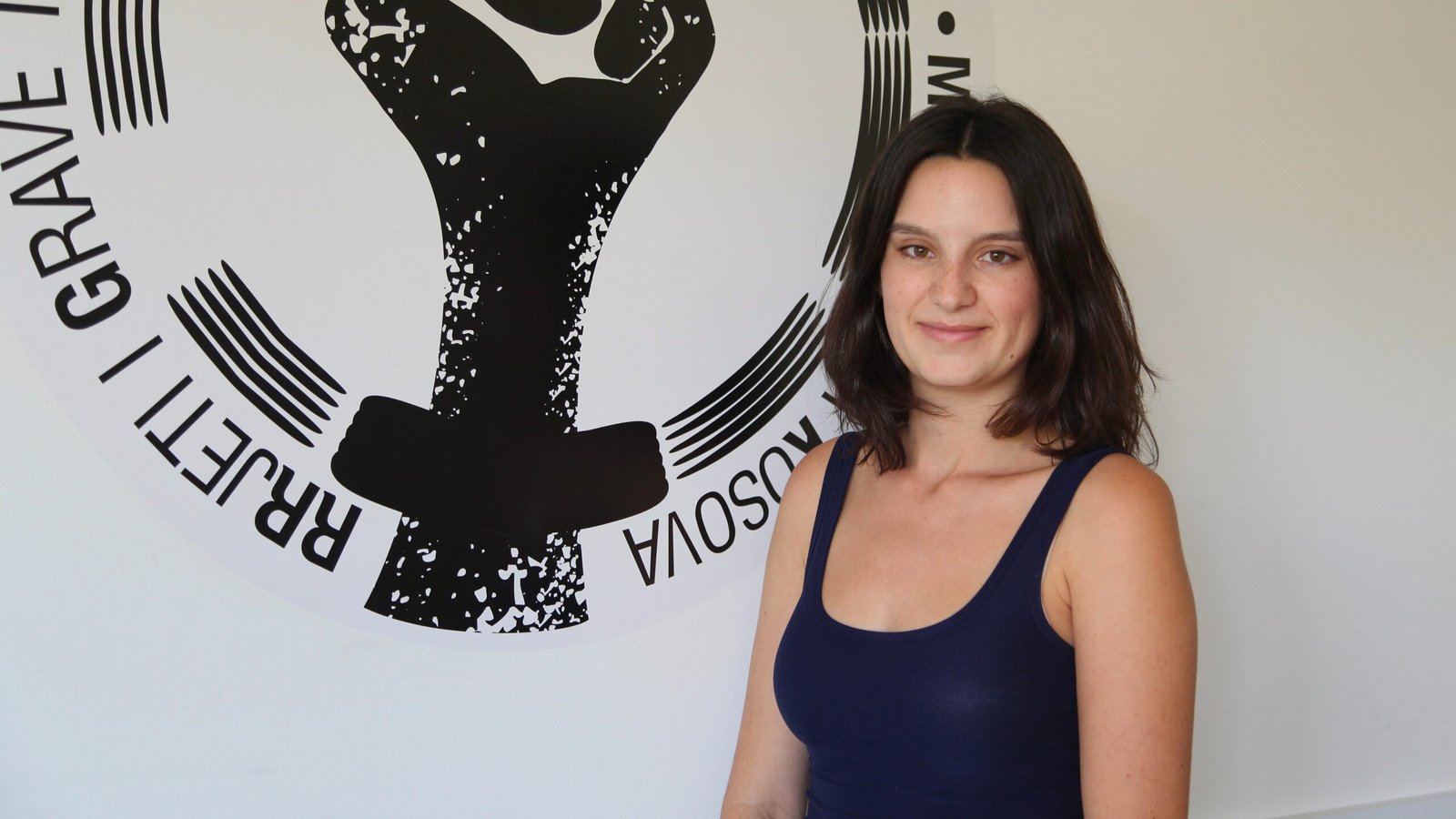
After ten years of working as a physician in palliative medicine in Nova Scotia, Canada, Saneea Abboud felt a pull in a different direction. Although her work was deeply meaningful, she began to feel that it was time for something new – something that could create broader systemic change. The calling to do something different led her back to school, pursuing a Master of Science in Global Health. Saneea’s internship at KWN, facilitated through Isla Internships, marks the final component of her degree – and her first-ever experience in Kosovo. 

Saneea’s interest in human rights – and particularly women’s rights – made KWN a natural fit when exploring potential internship opportunities. Even during her medical training, Saneea had a specific interest in helping women. At the time, she thought she might pursue gynecology. She didn’t, but the passion for women’s rights and well-being remained. When asked about where this dedication comes from, Saneea states that “It might just be that women are so inequitably served everywhere around the world, that I wanted to help in whatever way I can. I am an empowered woman myself, with a lot of privilege with my education, coming from the country that I come from… so, it just feels like I should help if I can.”  

During her internship, Saneea has contributed across several areas, including KWN’s Health Program, where her background proved especially valuable. She has, for example, been involved in a new research effort focused on personal assistance for people with disabilities, where her contributions include a legal analysis. The research is related to KWN’s action “Improving the Capacities of Civil Society to Increase Access to Quality Social Protection for Diverse Women and Men”, which is being implemented together with two partner organizations, and supported by the European Union Office in Kosovo. It explores challenges faced by personal assistants – most of whom are women, and often family members of the person with a disability. Saneea notes that while similar challenges likely exist in Canada too, people there may have more protections in place. 

Beyond the Health Program, Saneea has also contributed to research in other areas where health intersects with broader social and environmental issues. This includes work on a study on transportation, where she focused on health-related aspects – such as how air pollution can harm physical health and how the lack of accessible infrastructure may negatively affect mental well-being. She has also explored challenges in health policy, including why certain laws, like those related to health insurance, have yet to be implemented despite being in place for several years. 

In addition to research and policy work, Saneea has supported communication efforts by updating materials for KWN’s website and program factsheets, and by writing stories from events such as the Women, Peace and Security Forum and the FemArt Festival

The transition to Kosovo wasn’t difficult for Saneea, though a few things took some getting used to – especially the language barrier, and, she jokes with a laugh, “the smoking everywhere – but I don’t know if you want to put that in the story.” Still, she enjoys many aspects of life in Pristina, including how vibrant and walkable the city is. Back home, she lives too far from the city center to walk, so this was a refreshing change. She has also taken advantage of Kosovo’s location to travel on weekends, visiting Montenegro, Albania, North Macedonia, and Greece. Most of her trips have been hiking-focused. She quickly noted that Kosovo is perfect for hiking, and Montenegro was the biggest hike she has ever done in her life. 

Saneea sees her time at KWN not just as a professional milestone, but as part of a larger shift toward purpose-driven work. “Kosovo is definitely behind when it comes to equality and women’s rights – or even rights in general,” she says candidly. But she leaves with a better understanding of the global feminist movement and the people who are powering it. Reflecting on her time at KWN, Saneea expresses admiration for the organization’s hard work and dedication, stating “It makes me feel like the NGOs are really doing THE work.” 

As she prepares to finish her degree, Saneea is still considering what’s next. She hopes to make a transition from full-time clinical work to something more directly related to human rights, possibly reducing her hours in palliative care while working part-time with another organization, potentially even remotely. Saneea has also expressed interest in continuing to support the work she’s been involved in at KWN, from Canada. 

If you would like to contribute to KWN’s work, we are always looking for ways to engage dedicated volunteers from diverse backgrounds. To learn more about our Volunteer Program, please contact us at info@womensnetwork.org.