“We felt trapped in darkness, and they helped us find our way back into the light.”
It has been several years since A.M., a survivor of sexual violence during the Kosovo war, first walked through the doors of the Centre for the Promotion of Women’s Rights (CPWR) in Drenas. For her, the organisation became more than a place of support. It became a safe space where she could begin healing, rebuild her confidence and regain control over her future.
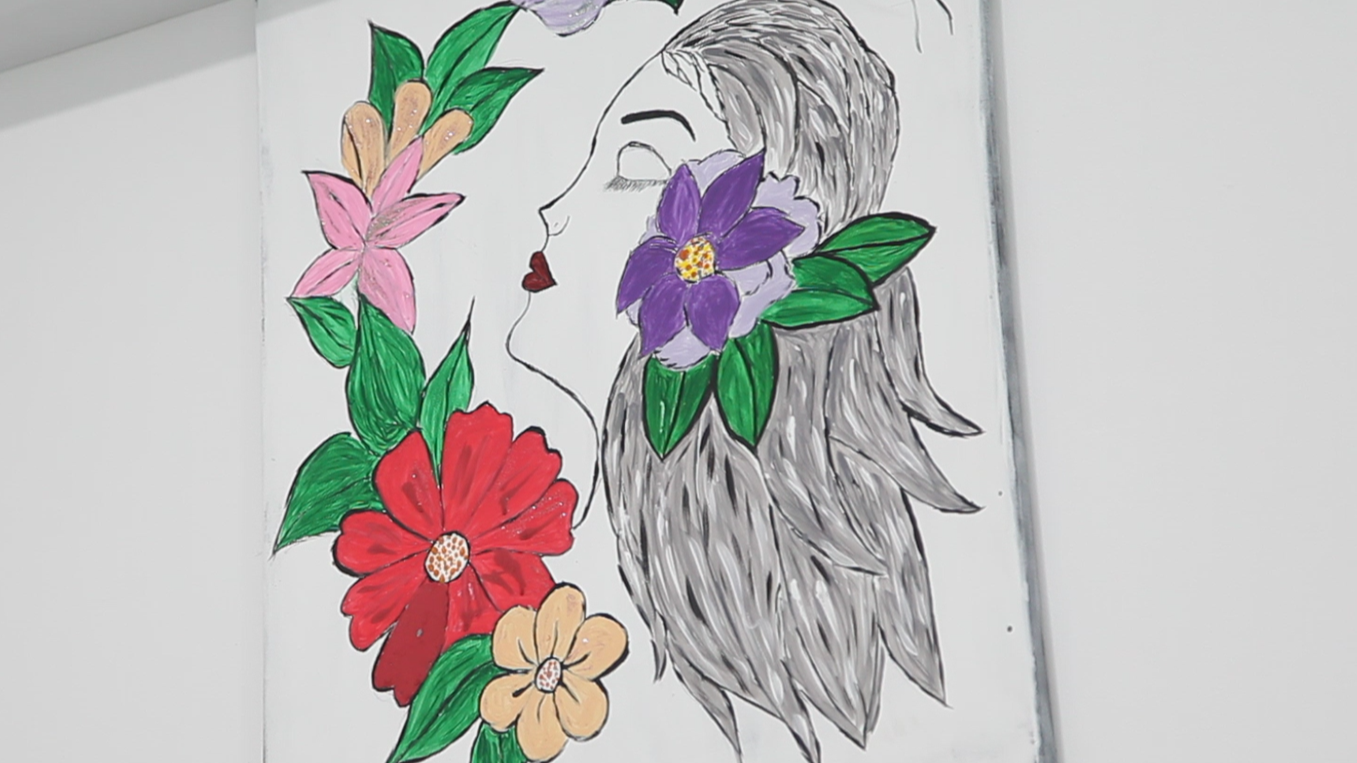
CPWR supports survivors of wartime sexual violence through legal assistance, psychosocial support and art therapy, as well as economic empowerment programmes. One of its members is A.M., who, during a visit by the Kosovo Women’s Network (KWN), generously shared her experience of recovery, resilience and rebuilding a life shaped by the trauma of war.
For A.M., the journey towards support was not easy. Coming from a remote village, at a time when women were judged for every step they took outside their homes, the decision to seek help was filled with fear, uncertainty and shame imposed by society.
“When I decided to come, it was very difficult. When I walked through the door and began to speak, they told me: ‘Don’t stress yourself. You’re like our daughter.'”
At CPWR, she found, for the first time, a place where she was not judged but listened to. Initially, she and many other women needed psychological support because, as she recalls, they were exhausted and overwhelmed by stress. Over time, through counselling, group activities and friendships with women who had endured similar pain, she began to heal and feel freer.
“When we come here, we feel as if we are with our mother, like daughters gathering together. We come and share our worries; whether we have something or nothing, we tell everything.”
The support provided to A.M. soon extended beyond emotional recovery. Through a grant scheme implemented by UN Women and KWN, A.M. received a cow, which became an important source of income for her family.
“From that one cow, I eventually had five. I sold milk, paid for my children’s education and bought what they needed. My husband had no job and neither did I, so that became our livelihood.”
A.M.’s experience demonstrates how even modest economic empowerment initiatives can create lasting change, helping women generate income, support their families and build a more secure future.
Today, A.M.’s life is very different. Her children have completed their education, graduated from university and are employed. For her, this is the greatest achievement.
“When you see your family moving forward, sometimes you forget about yourself.”
Looking back on her journey, A.M. describes CPWR as the place where women found light during one of the darkest periods of their lives.
“We felt trapped in darkness, and they helped us find our way back into the light.”
Her message to other women is one of solidarity and support:
“I ask all mothers to reach out to organisations and seek help. One woman should support another because you can open a path and show someone the way forward.”
Ahead of the International Day for the Elimination of Sexual Violence in Conflict, A.M.’s story reminds us that while the impact of wartime sexual violence can last a lifetime, so too can the strength, dignity and resilience of those who survive it.
The initials of the survivor featured in this story have been changed to protect her identity.
If you or someone you know is a survivor of sexual violence and needs support, please contact the Kosovo Women’s Network for information, referral and assistance.