The KWN Board Meets for the Second Time this Year

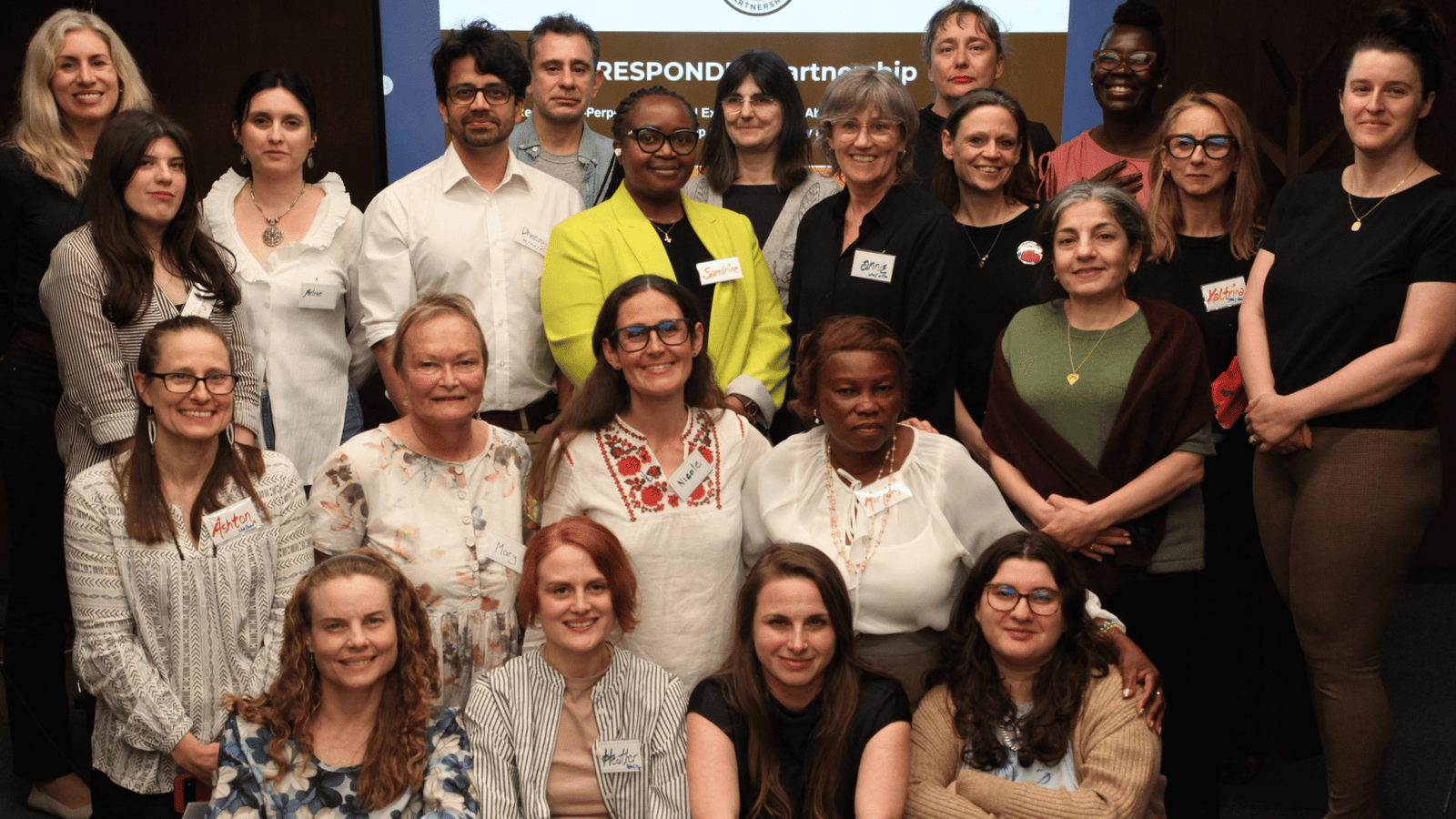
The second Kosovo Women’s Network (KWN) Board meeting of this year was held on 29 May, online, due to current self-isolation measures.  

The Audit Report for 2019, as well as the financial-narrative report for the period January-April 2020, were both presented during this meeting. 

Board members also discussed KWN activities and advocacy carried on during the quarantine.  

Read HERE more regarding these activities.  

KWN Board members appreciated the current commitment and activities taken by KWN toward advancing the position of women and girls in Kosovo.  

During the month of May, KWN drafted a policy brief proposing measures addressing COVID-19 from a Gender Perspective. 

Please click HERE to read the full KWN policy brief.   

https://www.facebook.com/rrjetiigrave/photos/pcb.3085626018164394/3085624201497909/?type=3&__tn__=HH-R&eid=ARBFUx6unIxTWKv1yeAUWhS7MMUZgwZIE2yWmcgEsspjkSxOdz3sxNzZW-c9CaFBTr1ScdR-YnjbH7Ss&__xts__%5B0%5D=68.ARCOmPbnFIGfQu4yqrNSVKF2Pvrz9NiRkemjorYCMsNiYBfhZzQ1Zptsgz2A48ViJR98YOkBk1By5Ibb53Cc1xCxD6poRrgX1qTOuRWL-KIwY0Kpd2VT-oHDGbM9oIfhj9_PjVbmgx11tD-WiYapIajePrzg1NU6MIWvqoZCia0DMftetMzoHN1DVZxNxdRZFf5NRQW1k05Ax5d_ZNDtGlc5IbBEW9elyc1PIRSFdolTRg6X8vflQBnjsaIeFXjA72U0RGGk4MFh5pYXgujzCb0l5u83YPBG6z4cLBIXMGO7gw5brTKy2CPxC28gqEC9MMEuXNmGmb5YX0VcaBTtcN0cLw

OPDMK Strongly Advocates for People with Disabilities

People with disabilities face many difficulties every day. These can include low employment opportunities, poor access to public institutions, and discrimination by society. Moreover, they have a predisposition to be more easily affected by various diseases.

The Organization of Persons with Muscular Dystrophy of Kosovo (OPDMK) initiated the “Health for All” project, in order to alleviate these difficulties for persons with disabilities and their families. This was implemented for nine months in the Municipality of Prizren.

A total of 61 people from Prizren benefited from this initiative, Including 3 Croats, 10 Turks, 4 Bosnians and 44 Kosovars. They participated in lectures, consultative meetings, and advocacy roundtables as they were the key activities.

The lectures addressed issues such as: breast cancer, the importance of gynecological check-ups, and stress management. Four therapy sessions were also offered to women, girls and boys with disabilities.

“Every morning I am very gratefully of the wheelchair, which I initially refused to accept,” said one of the beneficiaries.

“That [the wheelchair] is my privacy, it’s the freedom of the disabled person,” says another beneficiary.

OPDMK’s initiative focused on working with the relatives of people with disabilities. These two women will now find more support and understanding within their families.

After lectures on the importance of gynecological examinations and preventable diseases, 24 women and girls went through these examinations. Six boys from the group went for regular medical visits.

Antigona Shestan, Director of OPDMK, discussed the removal of misconceptions that people with disabilities cannot have good health, or that they are a burden to family members.

“Thanks to this initiative, women with disabilities have had the opportunity to openly talk about health problems, which they have not had the opportunity to express before.They are also now able to share their experiences. Based on the identified challenges from these sessions, a list of recommendations for improving health services has been compiled.” says Shestan.

This list of recommendations has been sent to the municipal institutions of Prizren. OPDMK has also produced other materials that can be used by institutions. A guide has been published for the relatives of people with muscular dystrophy, and a brochure has been developed for health workers on the treatment of people with disabilities.

The ODPMK also held a meeting with representatives of the Directorate of Health, in which case it advocated to provide at least one hydraulic table, which these women would use to conduct gynecological visits.

‘Aureola’ Advocates in Central Level for Amendments in the Law of Inheritance 

The inheritance procedure in Kosovo favours men and discriminates against women. Particularly vulnerable are women who are economically dependent on their male relatives, because women often face family pressure to give up their inheritance.   

According to the Kosovo Cadastral Agency (KCA), since 2017 only 17% of women have properties registered in their name. Whereas, only about 5% of women have inherited property.  

In women’s lives these low numbers directly translate into economic and social problems, violent marriages and a lack of economic independence. In order to create a platform for Kosovar women to realize their right to inheritance, the Women’s Association “Aureola”, has implemented the “Advancement of the Law of Inheritance”. 

49 people (41 women and 8 men) are direct beneficiaries from this initiative, whilst the number of indirect beneficiaries (increased awareness and information sharing) is significantly higher. The intiative’s implementation was accompanied by several television appearances, and was made possible by the Kosovo Women’s Fund. 

Sanije Grajçevci, Executive Director of “Aureola”, talks about the benefits gained from this initiative which was the first of its kind for this organization.

“We have established new contacts and expanded the institutional and civil society network of collaborators. Although we already have experience in this issue, we have learned and gained new experience from the information provided by the staff of the Fund”, she said. 

The executive director of KWN, Igballe Rogova, during a roundtable discussion hosted by Aureola in February 2019, said that the problem does not lie in the laws, but in the lack of their implementation.

“Earlier, property rights were taboo, but now we are having some positive developments. KWN has campaigned in 5 municipalities, where we went door to door and asked the women if they need to register the property in their names. If yes, we offered them help to cover the administrative expenses”, said Rogova. 

A notary also spoke about the positive impacts of this initiative, during an activity organized by Aureola.

“Listening and analysing this issue more deeply, I started to look carefully at the behaviour and attitudes of my family members about inheritance. As a result, I realized that I needed to work harder on my family. As a parent, I have a responsibility to treat my children as equal,” he said. 

The Kosovo Assembly Legislation Committee, Women’s Group of Deputies, the Ministry of Labour and Social Welfare (MLSW), the Agency for Gender Equality (AGE), Free Legal Aid Agency, Kosovo Notaries Chamber, Work Centre and Social Welfare-Obiliq, the Lobby for Gender Equality (Lobby), and the Coalition for Equality (CfE), compiled a long list of civil society and institutions with which “Aureola” has consulted and held meetings, before coming up with the following proposal:  

  • To amend the Law on Inheritance no.2004/26, respectively to drop completely the chapter III, Article 130 regarding the waiver of the right to inheritance. Consequently, to permanently drop all other derivative articles (Article 131, 132, 133, 134, 135, 136 and 137) in the Law on Inheritance and these same changes to apply also in the Law on Non-Contested Procedures, regarding the Articles dealing with waiving the right to inheritance (Article 164).  

This amendment is crucial and needed for the public interest, ensuring that women’s rights to inheritance are being respected. The request for amending the Law on Inheritance has been sent to the Committee on Legislation in the Assembly of Kosovo, the Women’s Group of Deputies and the Members of the Assembly of the Republic of Kosovo. 

Women’s economic empowerment is very important for achieving a society where women and men have equal access to opportunities in education, employment, and participation in politics, health, and a life without violence.  The activities undertaken within this initiative have significantly assisted toward improving the economic position of Kosovar women.  


KWN Continues Efforts to Advance Gender Equality

Kosovo, as well as the vast majority of the world is weathering the consequences of COVID-19 pandemic.  While the workflow of civil society organizations has changed, the goal and endeavours remain the same.

The Kosovo Women’s Network (KWN) has continued their mission of working for gender equity, despite being unable to implement some activities and advocacy that had been previously planned..

In response to the pandemic, KWN drafted a policy brief, identifying the different needs of women and men during quarantine and making policy suggestions to various ministries such as the Ministry of Finance and the Ministry of Health.

Read HERE for the full Policy Brief.

During this time, the KWN staff has contacted all member organizations to understand their concerns and identify their needs. KWN members expressed their gratitude by saying thanking KWN for their ongoing support.

“Thank you very much for your care and support, and for representing us.” said Sylbije Sahiti of Our Paradise, a local NGO (ALB: Our Paradise).

“Thank you very much for showing interest and for always being the first to address our needs.” said Shpresa Sejdiu of Educational Centre for Children with Special Needs (ALB: Qendra Edukative për Fëmijët me Nevojat e Veçanta).

Knowing that the situation of women who suffer from domestic violence only worsens during the pandemic, KWN has advocated for Kosovo’s shelters and has ensured that they get the urgent things they need.

KWN collaborated with the Security and Gender Group (SGG), to put together a campaign against domestic violence. The group issued a statement to the media urging institutions to protect people experiencing domestic violence, while urging citizens to report it.

KWN has also informed citizens about workers’ rights during the pandemic, through various social media campaigns.

Recently, the KWN staff held a virtual meeting with the European Association of Women Lawyers (EWLA) to discuss further cooperation with the four-year initiative “Strengthening Women’s Participation in Politics”.


Find below some of KWN media coverage during this time (Available in Albanian only).

https://kallxo.com/lajm/rrgk-i-propozon-qeverise-masat-per-adresimin-e-covid-19-nga-perspektiva-gjinore/

https://kallxo.com/gjate/analize/grate-dhe-thirrjet-e-humbura-per-mbrojtje-nga-dhuna-ne-familje/

https://ww.facebook.com/zeriamerikes/videos/1104147106612668/UzpfSTEyODEzODgëMzkxMzE0NToyOTc5NDA1MDY4Nzg2NDkë/?eid=ARDPoËfqCufgrvk_Ckel0CYId8dRfP3VëK87i6cVMIgTc2o0TtHo_4M_KkNKoMK-hc8NpUPV3oztjTKa

https://www.kosovalive360.com/rrgk-pa-drejtesi-nuk-ka-paqe/

https://ww.kosovalive360.com/edhe-me-ligjnder-me-te-avancuaritbarazia-gjinore-ngec-ne-praktike/.


KWN Demands the Improvement of Women’s Working Rights

Illustrative Picture from protest held on May 1 2019, Prishtinë

The Kosovo Women’s Network (KWN), on International Workers’ Day, demands greater attention for Women’s labour rights and for ongoing state efforts to combat gender-based discrimination in the labour market.

As a consequence of gender discrimination, according to KWN research, women continue to make up only 13.7% of the workforce in Kosovo. Moreover, even when they are employed, women are paid less than men for the same job, hold lower positions, are denied paid maternity leave and are exposed to sexual harassment in the workplace. Sexual harassment is especially prevalent in the private sector, which in most cases belong to the informal sector.

Due to social norms, women are also burdened with unpaid housework such as caring for children, the elderly and other household chores, which they cannot make an income from.

This year, while we are facing the global pandemic COVID-19, we need to take into account that the most jobs deemed “essential” are staffed by women. Women in these positions are not being paid overtime, are having their working hours doubled without increasing their pay, are having to take care of their children and home while doing their job, and are not receiving adequate personal protection equipment. In some cases, women are even losing their jobs if they raise concerns about their safety and their inadequate pay.

It is imperative that the government urgently implements a comprehensive gender analysis, in order to inform and guide further government measures and to involve more women in drafting plans and policies that tackle this virus. In the long term, the government must ensure that working women are protected by the Labour Law that addresses maternity leave, paternity and parental leave. In addition, the government should work to improve the institutional response to reported cases of gender discrimination in the labour market by increasing the number of inspectors and their knowledge in this field. They also need to treat cases of sexual harassment seriously, as is stipulated by the Criminal Code of Kosovo.

Therefore, it is important that on International Workers’ Day and every other day we make sure that responsible institutions do not fail to protect workers’ rights. We need to advocate for social policies that strengthen gender equality, and fight for the well-being of women and men in Kosovo.

*****

In addition to issuing this press release, KWN also marked May 1 by participating in the discussion “Work and Women” hosted by the Kosovar Gender Studies Centre (KGSC). Adelina Tërshani, KWN Project Coordinator, was among the speakers to discuss socio-economic aspects of work, gender roles and gender discrimination in sharing the workload.

Click HERE to watch a live-stream of this discussion.

*****


Albanian and Serb Youth Come Together to Promote Gender Equality

A total of 30 girls, 15 from the Albanian community and 15 from the Serb community are now more informed of human rights, and in particular women’s rights. This is thanks to a series of trainings they attended on domestic and international legislation dealing with these topics.

Moreover, about 170 young girls and women from 10 villages in the Municipality of Prishtina have been informed through training sessions about their rights, with an emphasis on the right of property and inheritance.

These are just a few of the results from the initiative “What tomorrow brings with me!” This initiative is the work of two member organizations of the Kosovo Women’s Network (KWN), Open Door and Ruka Ruci. They are both beneficiaries of the 12th round of the Kosovo Women’s Fund (KWF).

The final activity of the project brought together high school girls from Prishtina, who discussed gender stereotypes in society, as well as the best ways to combat them.

Valentina Bejtullahu, leader of the workshop held in May, informed the students about gender and sex differences, gender roles, and gender stereotypes. The second part of the workshop focused on bullying and its impact on mental health.

“For the same job position, women get paid less than men, therefore making it seem that men are more qualified. However, we have both qualified men and women in Kosovo. According to the legislation, women and men have equal rights, but fact fails in practice.” said Bejtullahu.

Gender stereotypes were taught through an activity where students expressed their thoughts on the questions, such as: “Do men or women care better for children?”, “Are men more emotional than women?”, And “Are women more successful than men?”.

 “Women are raised by the society to be more emotional, but I consider this to be a very good thing. Men should express their emotions just as much as women,” said one of the participating students at the Meto Bajraktari Elementary School.

Nevenka Rikalo, Director of “Ruka Ruci” has indicated that the same training was held for Serbian youth, in order to bring the two ethnicities together in the fight against the patriarchal system.

“During the implementation of the project, pupils understood the goal of this initiative and have appreciated its importance. Albanian pupils also visited the premises of Serbian schools which is an achievement because it enables pupils to meet and collaborate”, Rikalo said. 

Belgjyzare Muharremi, Executive Director of the “Open Door”, presented the topics that were addressed during the workshops.

“Our aim is informing the youth of phenomena such as; gender inequalities, gender stereotypes, sexual harassments and the patriarchy. Both organizations work with women and girls of the Albanian and Serbian communities”, Muharremi said.  

These two organization that have been in collaboration for many years now, and have created a space of open cooperation and commitment to improving the position of women and girls in Kosovo society.

Without Justice, There Can Be No Peace 

April 27 marks the National Day of Missing Persons. Today the Kosovo Women’s Network (KWN) remembers the 1,641 men, women and children of Kosovo, whose fate remains unknown.

For 21 years, their loved ones have been waiting. The lack of political will of the responsible state continues to deny them their right to know, their right to the truth, and their right to justice.

Society must continue to support, remember and honor the victims of war, those who remain missing, and those who were victims of sexual violence,. The demand for justice should be at the center of all efforts for peace building between the two societies. Attempts to forget the past would be a breach of human rights and the right to justice. Without Justice, There Can Be No Peace.

KWN asserts that crimes against humanity, genocide and other serious human rights violations are not prescripted. It is unacceptable to talk about amnesty, when victims from the war have been waiting for justice for over two decades. Peace agreements cannot integrate amnesty for these crimes. Since they are crimes against humanity they need to be internationally recognized and punished; attempts to deny this justice go against international law and UN conventions. It is the duty of states to protect human rights, and the denial of justice for crimes committed is a denial of this right.

As a society, we must make efforts to demand justice in order to unite all Kosovars, both in the majority community and minority community. We must unite in our demand to punish all those who commit war crimes, genocide, and crimes against humanity.

Raising Awareness about Menopause among Women of Krusha e Vogël

Women from Krusha Vogel were informed on the hormonal and emotional changes experienced during menopause. 80 women who attended these information sessions have improved their understanding on what women face during this time.

The Association of Women Farmers “Krusha e Vogel”, also organized activities on other women’s health topics, such as: breast cancer, breast self-examination, cervical cancer, climax, high blood pressure as well as diabetes.

“Women’s Support in Menopause” is an initiative that started in order to make women of this village more aware of the importance of health care during menopause. Krusha Vogel does not currently have access to information compared to their urban peers.

The women participating the sessions highly appreciated this initiative. Together, they discussed the difficulties they faced, 45-year-old L.SH, stated:

“When I first experienced the signs of menopause, it was very stressful. I was reluctant to see a doctor because I was ashamed to talk about it. These lectures have been very professional, and now we are much more relieved. We have also set appointments for gynecological examinations”, she said, emphasizing that she is very thankful for “Krusha e Vogël” and Kosovo Women’s Network for this opportunity.

“I have benefited a lot from this project, the topics that we discussed are very helpful for my personal care. I also understood the importance of regular check-ups in order to prevent various diseases,” said another participant. A total of 45 women attending these sessions went through gynecological examinations.

In addition to sessions with women, the Association of Women Farmers “Krusha e Vogël” has held meetings with Nexhip Berisha, Director of Health in Prizren.They advocated for the health department to draft a document on regular lectures in rural areas in the coming year. As a result of the meeting, an agreement was reached to hold sessions with women at the Family Medicine Center in Prizren.Agreements were also reached with Hanife Hoxha, a professional lecturer, to hold lectures about cervical cancer in the rural areas free of charge.

“Symptoms do not appear in the early stages of cervical cancer, women might face different signs such as: pain after sexual intercourse, bleeding after menopause, rapid weight loss, and recurrence of the cycle only shortly after it has ended.” Hoxha explained to those present at a lecture held in February.

During the implementation of this initiative, an advocacy meeting was also held with Myvexhele Zhuri from the Office for Gender Equality. They lobbied for more financial support in the health field and to gain access to grants from the local government.

The Association of Women Farmers “Krusha e Vogël”, over the past eight months, have contributed to the positive changes that women can make in the community. They have increased solidarity between women’s rights activists to come together as a women’s movement within the implementation of the KWN Strategy 2019-2022.

*****

Related articles:

Women of Krusha e Vogël Discuss About Cervical Cancer 

Association of Women Farmers “Krusha e Vogel” economically empowers girls in rural areas

*****

KWN Proposes Measures Addressing COVID-19 from a Gender Perspective:  Recommendations to the Government of Kosovo 

The COVID-19 pandemic continues to spread rapidly and unpredictably on a global scale. Developing countries and countries in humanitarian crisis that have no proper economic and health infrastructure will suffer the most. History shows that in such pandemics, social inequality, particularly gender inequality, is even more pronounced. It is important that measures taken against the pandemic are gender-sensitive and that the positioning of different groups in society and the economy are considered, avoiding further deterioration of the situation, especially for marginalized groups. The economic crisis may worsen and deepen gender and social inequality, but measures taken in response to the pandemic and crisis may worsen inequalities if such measures are gender neutral. States are confronting the Coronavirus through emergency measures, but these do not always consider the different needs of women and men. This is also the case regarding the measures taken so far by the government of the Republic of Kosovo. 

To the Government of Kosovo  

  • Urgently conduct a comprehensive gender analysis to inform and guide further government measures. State strategic plans and preventive measures against COVID-19 should be based on gender analysis, including an ex ante gender impact assessment, in accordance with the Law on Gender Equality and international legislation. It should take into account gender roles, the unequal share of care responsibilities among women and men and other issues resulting from the latter. Gender impact assessment would ensure that the following preventive and mitigation measures will address the burden of women’s unpaid work and their increased risk of exposure to gender-based violence. Indeed, gender impact assessment is required as part of the Regulatory Impact Analysis (RIA), which the government must apply whenever any new regulatory framework is proposed, drafted or evaluated. It can support the appropriate integration of a gender perspective in new laws, policies, and programs, including related to COVID-19.   
  • Include more women in drafting programs and policies related to COVID-19 and in proposing short-term and long-term measures, especially related to social, economic, and health issues, including protection from gender-based violence. The inclusion of more women in decision-making positions, particularly from the health system, can contribute to better address of the needs of diverse women and girls. Such a practice is in line with UN Security Council Resolution 1325, concerning the participation of women in decision-making processes. 

To the Ministry of Economy, Employment, Trade, Industry, Entrepreneurship and Strategic Investments and the Ministry of Health  

  • Include special measures and ongoing efforts within medium-term measures to identify rights violations related to the informal economy, address the needs of women in this sector, and to ensure women have access to and benefit from private sector financial support schemes.   
  • Address the burden of women’s unpaid labor through special measures related to the delivery of social assistance, psychosocial services, and medical-hygienic services.  
  • Ensure the Labor Inspectorate monitors and addresses violations of labor rights in the private sector, particularly in essential services, where women are over-represented. This includes addressing prolonged working hours without extra pay.  
  • Ensure recognition of unpaid care work as part of the economic system, as specified in Article 18 of the Law on Gender Equality, especially during the formulation and implementation of macroeconomic policies and measures in response to the pandemic. This can be done by modifying the leave of absence and by encouraging the latter to be split between both parents, or by enabling women to benefit from public provisions for children and elderly care. Such practice should be applied especially in the essential sectors, where work is ongoing and children or the elderly are at risk of being left without adequate care.  
  • Collect regularly gender-disaggregated data to understand better how women and men are affected differently by the virus, not only in terms of infection, but also economically, in shared care responsibilities, and in relation to domestic violence. Such information should be used by relevant ministries and municipalities when implementing the national response plan.   
  • Prior consultation with organizations that have expertise in gender equality issues is crucial, and as such, is recommended as part of the nation response plan. 
  • Integrate the needs of nurses and physicians in strategic plans related to COVID-19. Ensure that nurses and women physicians, as well as women in other occupations in the health system, have their essential hygienic and sanitary needs met, including the provision of menstrual products and hygienic wipes where lacking. Ensure that they are sufficiently equipped to maintain personal hygiene and to be protected while serving on the front lines of health services.  

Recommendations for the Inter-Institutional Response to Gender-Based Violence   

  • Prioritize services for preventing and responding to gender-based violence, including domestic violence, amid the COVID-19 pandemic, including sufficient funding to cover any extra costs for civil society organizations, shelters and day care centers that serve persons suffering from gender-based violence. Ensure that these centers have sufficient medical, hygienic and sanitary means. Ensure access to psychological treatment, even virtually.  
  • Develop a protocol for the treatment of women who cannot be admitted to such centers as a result of infection, including safe quarantine and access to testing.   
  • Specify measures to be taken related to gender-based violence, including ensuring continued work of Victim Advocates and policy preparedness in emergency treatment of violence cases. Inform the public about the work of these institutions and where they can access support.  
  • Ensure that health workers have gender-sensitive responses to gender-based violence, which may be associated with or worsened by the pandemic. First responders should be trained to know who needs extra care or who should be brought to treatment centers.  

To the Ministry of Finance   

  • Review the mid-term budget using best principles of gender responsive budgeting, and drawing from the findings of gender impact assessments, as provided by the Law on Gender Equality. Consider the different needs of diverse women and men.   

To the European Union   

  • Ensure that all European Union (EU) funds are programmed and distributed based on ex ante gender impact assessments and involving gender mainstreaming; all programs also should take into account the principles of gender responsive budgeting.  
  • Ensure mid-term programming includes special measures to attend to the social and economic protection of women, as a marginalized group, as initially stated in the EU declaration on planning and distributing these funds.  

 *****

Read HERE the full KWN Policy Brief. 

*****

Advocacy Leads Kosovo’s New Government to Establish Budget Line for Shelters

Ongoing advocacy efforts by the Kosovo Women’s Network (KWN) for a permanent budget line for shelters and day centres serving persons who suffered domestic violence, trafficking in human beings, and children without parental care has led the new Government of Kosovo to commit to allocating €900,000 from the 2020 budget to support shelters and day centres in Kosovo.

Shelters in Kosovo continuously have faced financial struggles. In 2017 some shelters even closed due to insufficient financing. Women and children were turned out, into the streets, and some were forced to return to live with perpetrators, placing them at great risk of recidivism.

Since 2012, KWN has advocated for a sufficient budget to cover all expenses necessary for shelters to protect women and children who have suffered violence. More recently, on 7 December 2018, KWN together with representatives of shelters and day centres, addressed a letter to Members of Parliament (MPs) of the Assembly of Kosovo amid discussions on the draft budget for 2019. They called on MPs to allocate a budget for shelters and day centres. The parliament allocated funding for shelters for 2019.

However, shelters still faced problems receiving these funds. Despite KWN’s and shelters’ advocacy, the allocation of funding was very delayed and less than anticipated. The lack of sufficient financing, coupled with delays in receiving such financing, placed women and children at risk.

To address this and to identify a more sustainable solution, in February 2020, KWN met with the recently elected Prime Minister of Kosovo Albin Kurti, then new Minister of Justice Albulena Haxhiu and then new Speaker of the Kosovo Assembly Vjosa Osmani, respectively. During these meetings, KWN advocated for a permanent budget line dedicated to shelters and day centres.

Responding to these requests, Osmani promised to support KWN in its aim to establish a separate budget line for shelters. “Kosovo’s newly formed institutions will increase their care and attention toward different social categories, especially for domestic violence victims”, Osmani said.

Indeed, on 15 March, the parliament approved the budget for 2020, which includes €900,000 for shelters and day centres in Kosovo.

Such support to shelters is crucial. According to a 2017 KWN report, From Words to Action?, supported by the Austrian Development Agency (ADA), domestic violence remains widespread, with 62% of Kosovars having experienced domestic violence in their lifetimes (68% of women and 56% of men); 31% had suffered domestic violence in 2014 alone (41% of women, 20% of men).

While shelter is never an ideal solution, it is essential to have such services available for the worst-case scenarios, in which women and children have nowhere else to turn. Shelters offer a temporary, safe place to live for persons at risk of violence.

Kosovo has a National Strategy on Protection from Domestic Violence and Action Plan 2016-2020, which clearly states the legal and institutional obligation of the Republic of Kosovo to financially support the work of these institutions.

Despite progress, shelters in Kosovo still face serious challenges. Long-term living solutions and reintegration programs for women and children transitioning from shelters into society remain under-funded or non-existent. However, the passage of this budget represents a positive step in the right direction.

Addressing gender-based violence remains a programmatic focus area in the KWN Strategy 2019-2022. Much of KWN’s advocacy work on this issue is supported by ADA, leading to this and other important changes towards protecting persons suffering from violence.