“That is where our healing began. It is where we rebuilt our lives from the ground up and finally understood that what happened to us was not our fault.”
For many women who survived sexual violence during the Kosovo war, the end of the conflict did not mean the end of their suffering. The trauma of wartime sexual violence continues to affect survivors long after the violence itself has ended, impacting their emotional well-being, social relationships and economic security. Yet despite these challenges, many women have demonstrated extraordinary resilience, rebuilding their lives with courage and determination. Throughout this journey, they have been supported by organisations that have spent decades providing psychosocial support, advocacy and opportunities for empowerment.
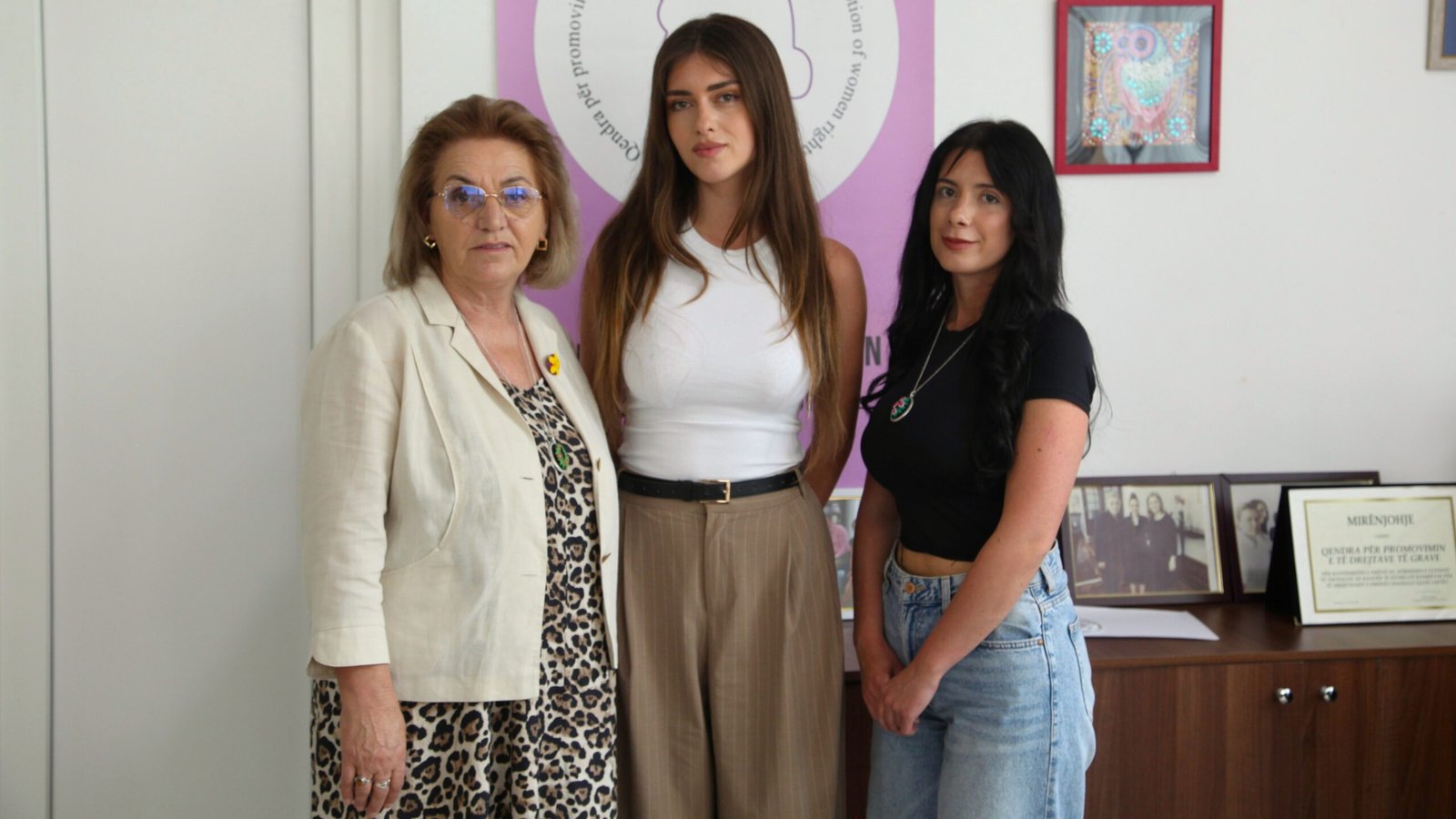
Ahead of the International Day for the Elimination of Sexual Violence in Conflict, the Kosovo Women’s Network (KWN) visited member organisations the Centre for the Promotion of Women’s Rights (CPWR), Medica Kosova and Medica Gjakova, which have worked alongside survivors for many years. Through their dedication and commitment, these organisations continue to create spaces where women can find support, regain confidence and build a more secure future for themselves and their families.
In Drenas, Laurita Morina, project officer at KWN met with Kadire Tahiraj, Founder and Executive Director of CPWR, and Anita Istogu, a psychologist who works closely with survivors through the organisation. For more than two decades, CPWR has provided psychosocial support, counselling and empowerment opportunities for women affected by conflict-related sexual violence, helping them navigate the challenges of recovery and reintegration into society.
According to CPWR, the organisation’s work has had a positive impact not only on survivors of wartime sexual violence but also on many other women who have benefited from its services. In the early years after the war, the topic remained highly taboo, and many women’s lives were largely confined to the triangle of family, husband and doctor. Through various projects, including those supported by KWN, CPWR has contributed to raising awareness, strengthening economic empowerment and improving women’s access to healthcare services.
One example is a health education project that enabled women, including those who had lost their husbands during the war, to access gynaecological services such as Pap tests. This was particularly important at a time when access to such services was limited, especially for widows, who often faced stigma and prejudice when seeking gynaecological care without a husband. Today, according to CPWR, many more women are aware of their rights. Some have secured employment, others have become economically empowered, and some even manage businesses or lead community initiatives.
KWN also visited Medica Kosova and Medica Gjakova, two organisations that have played a crucial role in supporting survivors through comprehensive services based on the understanding that healing requires not only emotional support but also opportunities for women to regain independence and self-confidence.
Since 2003, Medica Kosova has provided psychosocial support, legal assistance, art therapy and economic empowerment programmes for women, with a particular focus on survivors of wartime sexual violence. Over the years, the organisation has expanded its work to include support for survivors of domestic violence, free legal aid for marginalised groups and psychosocial support for children of survivors of conflict-related sexual violence.
According to Arbnore Bunjaku, a lawyer at Medica Kosova, many women who first came to the organisation were isolated, lacked self-confidence and had lost the will to live. Today, they have become agents of change. By overcoming isolation, feelings of guilt and a lack of self-belief, they have not only empowered themselves but have gone on to support other survivors as well.
“One survivor always tells us: ‘You do not build houses, but you have rebuilt our souls'”, said Arbnore.
Medica Gjakova works to improve the mental and physical health of survivors of wartime sexual violence through multidisciplinary support that includes psychosocial, gynaecological and legal services, as well as economic empowerment initiatives. In addition, the organisation engages in advocacy and lobbying and works to strengthen institutional capacities for trauma-sensitive approaches and self-care, ensuring that survivors have easier and more dignified access to services, particularly within healthcare institutions and social welfare centres.
“I would call on the public and Kosovo society not to stigmatise survivors of wartime sexual violence, but to support them. They are an important part of our society, and what happened to them could have happened to any one of us. Do not judge them, do not stigmatise them — simply support them”, said Mirlinda Sada, Executive Director of Medica Gjakova.
Watch the full interview with CPWR here.
Watch the full interview with Medica Kosova here.
Watch the full interview with Medica Gjakova here.
During these visits, KWN also had the privilege of meeting survivors who generously shared their experiences. Their stories reflect the strength, perseverance and courage of thousands of women across Kosovo.
Read the story of survivor A.M. here.
Read the story of survivor D.K. here.
The stories shared by survivors and the organisations standing beside them highlight an important reality: recovery is not a destination but an ongoing journey. Survivors continue to face social stigma, economic challenges and the long-term consequences of trauma. Yet through access to quality services, opportunities for empowerment and communities that believe in and support them, healing and recovery become possible.
As we mark the International Day for the Elimination of Sexual Violence in Conflict, we honour the courage and resilience of survivors. At the same time, we recognise the invaluable work of organisations such as CPWR, Medica Kosova and Medica Gjakova, whose commitment continues to bring meaningful change to the lives of women across the country.
If you or someone you know is a survivor of sexual violence and needs support, please contact the Kosovo Women’s Network for information, referral and assistance.