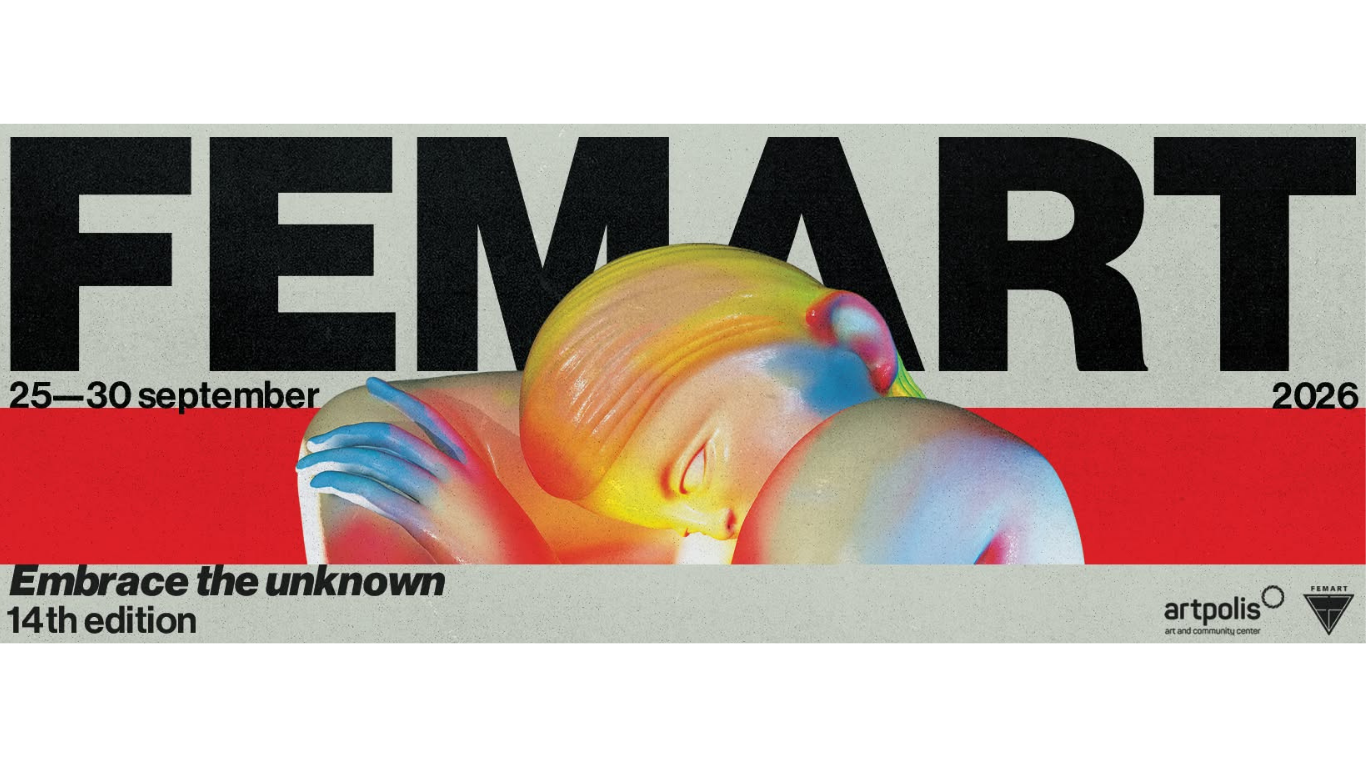
Led by curiosity and courage, the 14th edition of FemArt, for 6 days straight, transformed Pristina into a space of art, reflection, and conversing. With “Embrace the Unknown” as its theme, the festival created a space to explore ideas, face difficult topics, and imagine new opportunities through art.
Throughout the festival, a variety of art forms interlaced with discussions, exhibitions, and workshops; bringing together artists, activists, and professionals of culture from Kosovo and beyond.
On 25 Sepember, the festival opened by the Franco-American company “CABARET biZ’arT” with an extraordinary performance that with satire, charm, and humor guided the audience in an unpredictable journey through taboo topics and issues that aren’t always easy to address and discuss.
On the second day, the program expanded on more sentimental topics through workshops “The Connections that Hold Us Together,” “Women’s Safety,” “Exploring Your Inner Clown.” The day wrapped up with the theatrical performance “The Art of Living: The Act of Killing.”
One of the special moments of the festival was the book promotion “Love in the Time of Communism” by writer Bessa Myftiu.
The book brings the story of three heroins, connected by one common theme: love that demands space to exist and triumphs despite the circumstances. Through their stories, the book touches on freedom, love, and issues that are yet taboo in our society.
During the discussion, Myfitu talked on the way that love in the time of communism leads way to flourish through imagination even in a reality continuously carved by limitations and hardships.
Another important discussion of the festival was “Women Build Peace,” based on findings in the “Dialogue After Peace?” – a report that elaborates on peace dialogues led by women in Kosovo, Columbia, and Philipines.
The discussion began by a main question: Faced with the weight of war and patriarchate, is it possible for women to build peace through generations?
The panel highlighted/acknowledged Kosovo’s women’s contribution in public life, dialogue, and community – a contribute that has been essential, but hasn’t always got the recognition or acknowledgement it deserved.
This discussion built a space to honour and reflect on women’s contribute in building peace, and to emphasize the importance of protecting this history and pass it down throughgenerations.
Fourth day of the festival, the opening of the Cultural Station, also marked an important cultural event, not for the FemArt and the attendees, but also for Pristina and the art community in Kosovo.
On the opening night, as she welcomed and thanked the attendees, donors, and everyone that contributed in founding and opening of the Cultural Station, Zana Hoxha among other things said “We want the Station to be more than a place where activities take place. We want it to be a place where people stop, meet, create and return. A place where someone can enter a theatre for the first time, where a young artist can create their first work, or where a collaboration can emerge that we cannot yet imagine today.”
Kosovo Women’s Network (KWN) had the pleasure to be among the many atendees that came from a diverse range of profiles and background, inlcuding prominent artistic, political, and cultural figures.
The cultural station is now not just a temporary part of the city or the festival, this Station will be open and accessible for both art-makers and art-lovers.
Accompanied by the sound of music by the Italian band LEDA and the “The Canaanite Bitch,” this evening served as a warm space where the behind-the-scenes and experiences were shared, from the inception of the idea to its execution, marking a moment of exchange of ideas and gratitude for the contribution, support, and presence throughout this journey.
“Despite the challenging circumstances, we never felt fear. Because we were together, we had one-another,” said activist Igballe Rogova while sharing her experiences from the 90s as part of FemMarch 1998 that took place on the 5th day of the FemArt programme.
The FemMarch exhibition and discussion marked a very importan moment as part of the festival, remembering the activists, figures, and every woman that contributed to the calls for peace during that period.
The event opened with the original photographs by Eliza Hoxha, an exhibition curated by the author herself, that bring a closer look into the women’s protests, calls, and marches organized during the 90s.
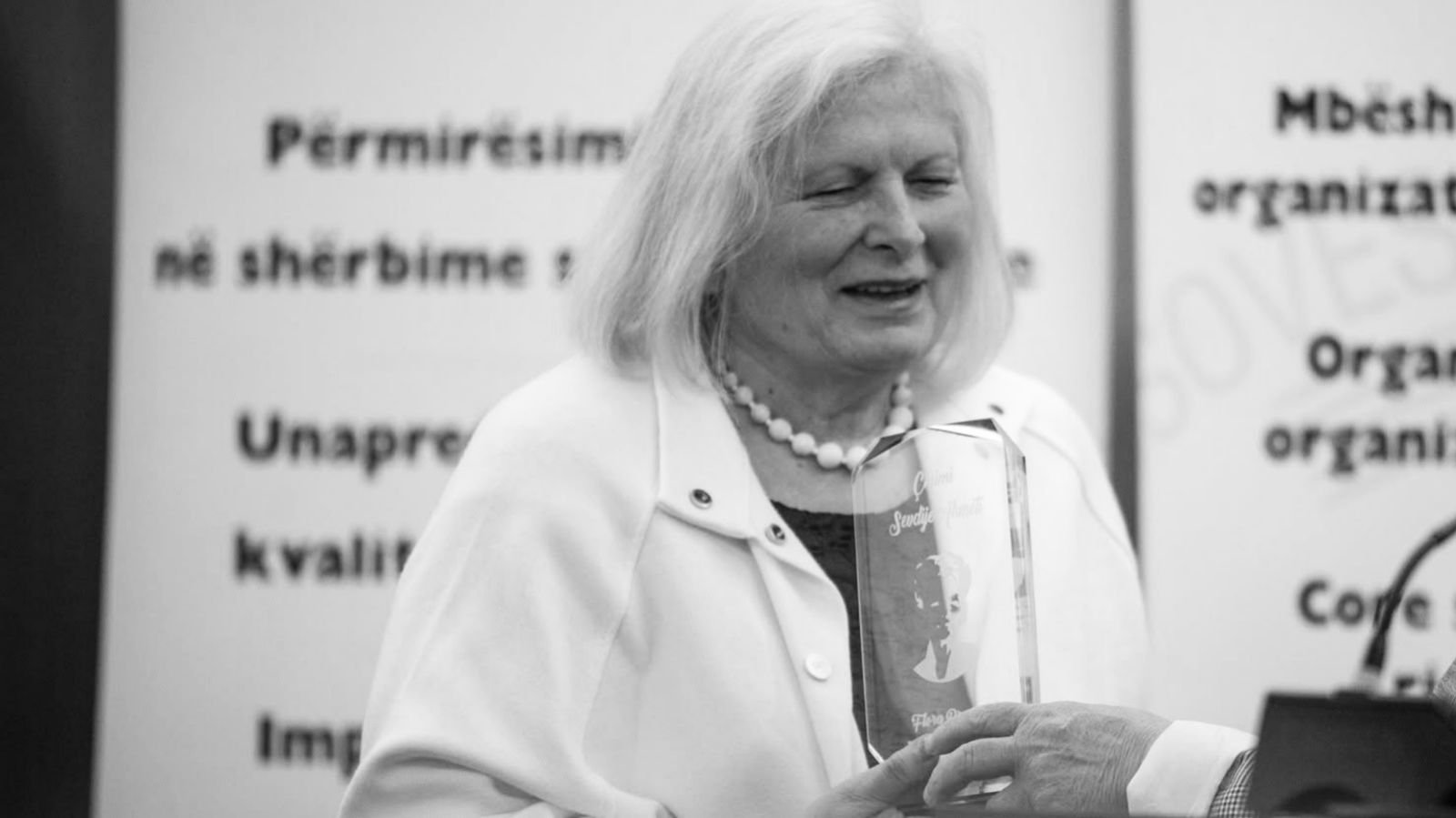
The discussion panel, with Igballe Rogova, Vjosa Dobruna, and Eliza Hoxha, moderated by Valdete Idrizi, began with an acknowledgement of Flora Brovina’s remarkable contribution, followed by a minute of silence to honour her figure.
The discussion moved forward by bringing back to memory the experiences and challenges of that period, but among everything else, brining back to memory the resistance, solidarity, and the courage of the women that were organized, raised their voices, and committed to the cause for change. By elaborating on the symbolisms and aims of the organized activities at the time, each of the panel members shared parts of their personal journeys from moments of the planning, organization, and attendance of the women’s marches with candles in “Call for Peace,” the protest with the white papers, the “Bread for Drenica” march and the “Peaceful Divorce” protest.
It was emphasised that women’s activism wasn’t a coincidence and not solely a reaction to the develompents during the 90s, it had roots that go deep down into the history of organization and resilience of women in Kosovo.
Through the photographs and stories told direclty by the activists themselves, FemMarch brought back names, events, and experiences that continue to prove the importance of women’s contribution to resistence and Kosovo’s social movements.
The programme also touched on one of the heaviest burdens of our society, touching women and girls: femicide and access to justice.
On the 6th day, the discussion panel “Women Don’t Die, They are Killed: Femicide and Justice” brought together professionals from the domains of justice, women’s rights, and journalism to discuss on femicide, and gender-based violence and the institutional responsibility to address it.
Part of the panel were Gresa Caka, lawyer and former President of the Constitutional Court of the Republic of Kosovo; Adelina Berisha, Program Director for Addressing Gender Based Violence; Arrita Rezniqi, Head of the Free Legal Aid Center at IKD; and Adelina Ahmeti, journalist.
The panel was moderated and the report presentation was made by Dr. Ariana Qosaj-Mustafa, external lecturer at RIT Kosovo.
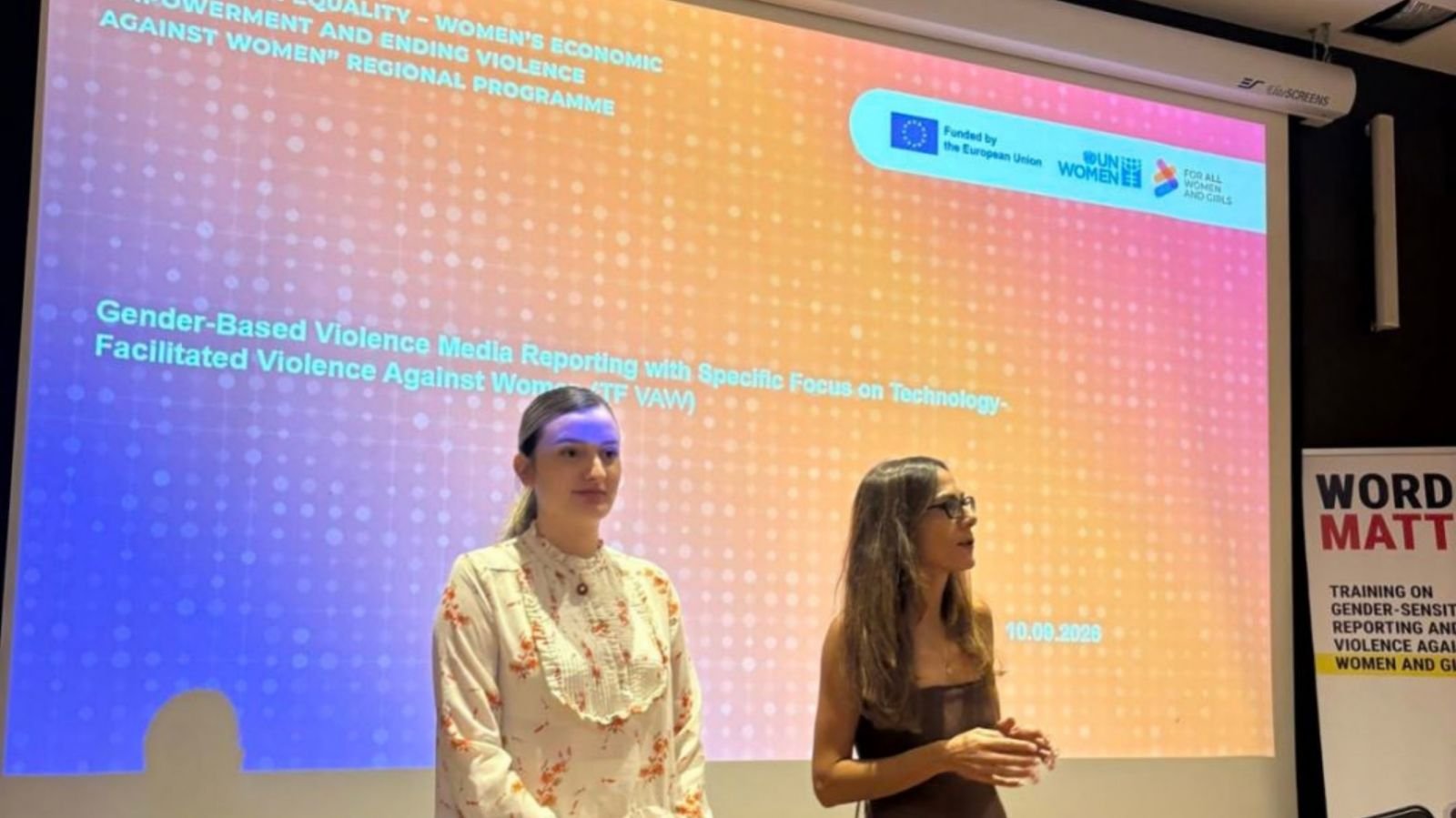
Speaking on the challenges for gender-based violence prevention, Berisha from KWN emphasized that change cannot be accomplished solely through laws and institutional reaction to the reported cases. According to her, alongside the consolidation of institutional responsibility, it is highly necessary to work in changing patriarchal norms and mentalities that continue to normalize violence on and control over women.
She emphasized the importance of participation of men in preventing violence, as well as the need for the work for changing these mentalities to begin in early childhood through education, curriculum, and continuous raise of capacities.
“If we want to prevent femicide, work has to begin in childhood for the mentality to change. The change becomes more difficult to accomplish in adulthood, yet it’s possible – the brain is not a stone, and people can change,” Berisha said.