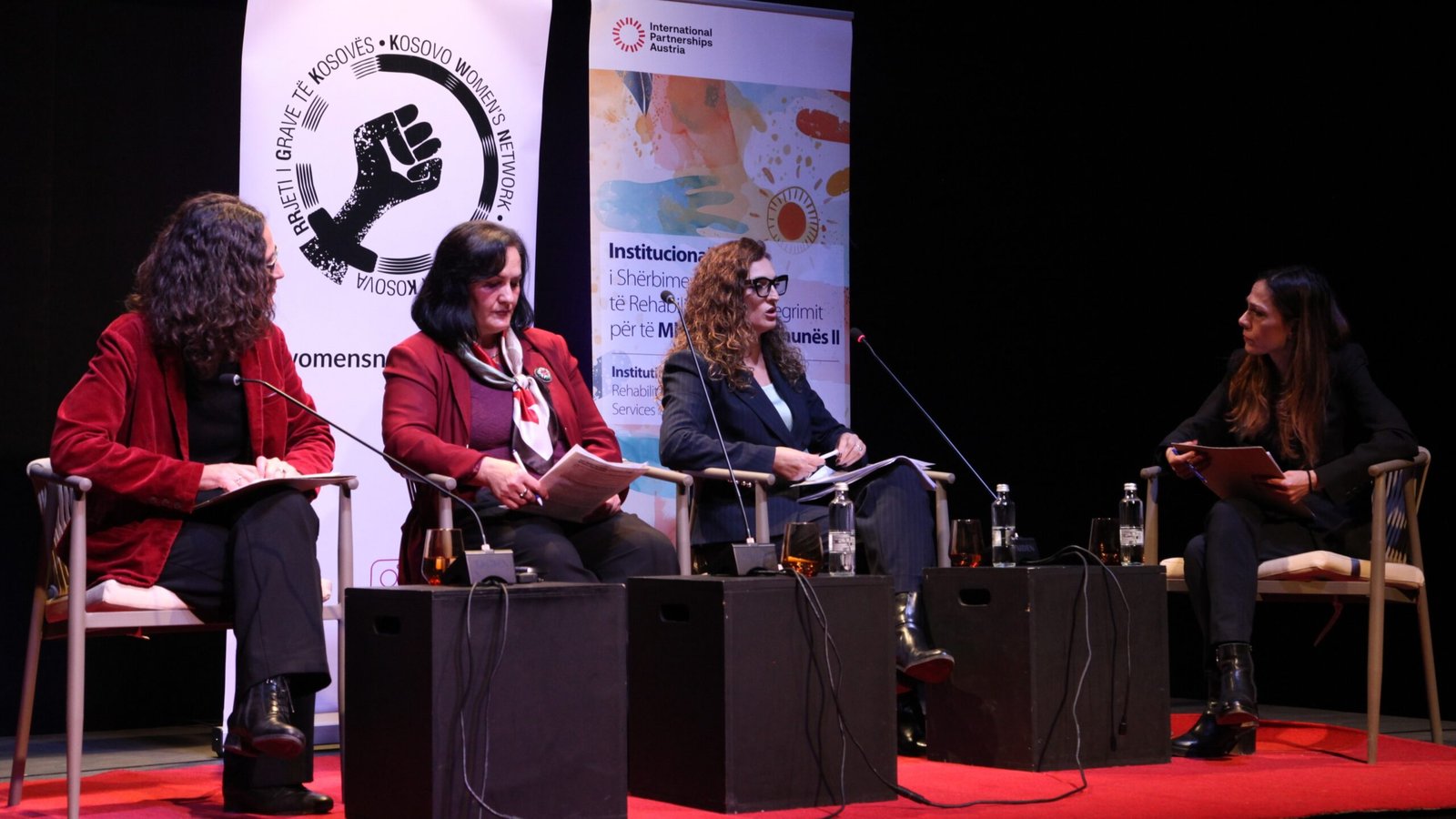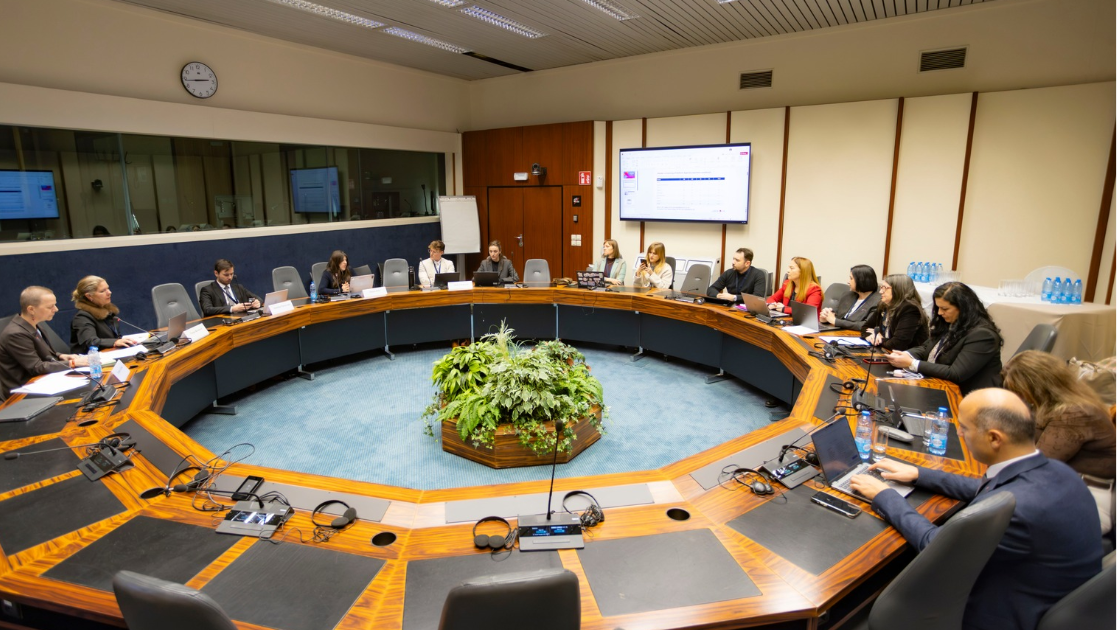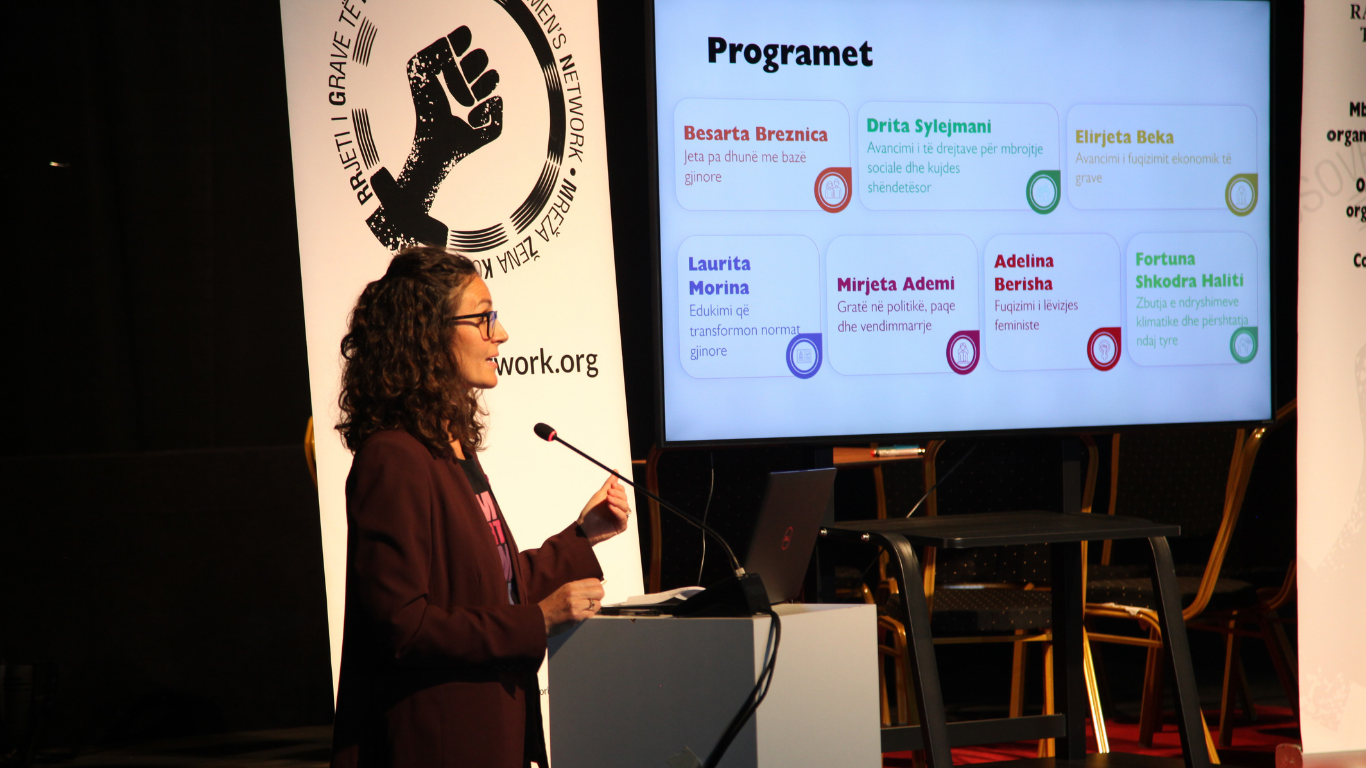
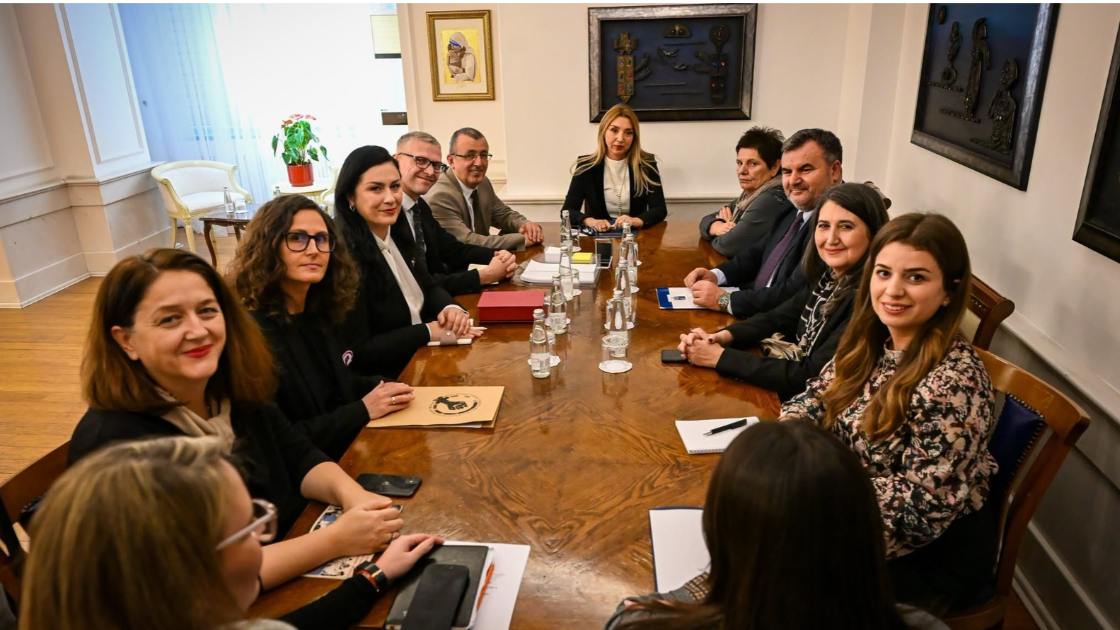
The Kosovo Women’s Network (KWN), together with its member organisations, has taken part in discussions and efforts to advance the Parliamentary Agenda for Women and the Presidency’s Council for Gender Equality, with the aim of ensuring that the needs and priorities of women in Kosovo are reflected in decision-making processes and institutional policies.
Several KWN member organisations, as well as representatives of the Kosovo Women’s Economic Forum, also participated in these discussions. Their involvement is important to ensure that the experiences, perspectives, and priorities of women’s organisations are reflected in institutional agendas.
During the discussions, KWN emphasised the importance of a Parliament that not only adopts laws but also oversees their implementation by the Government and responsible institutions. In this regard, KWN called for stronger parliamentary oversight to assess whether the Government is fulfilling its legal obligations, whether ministries are properly implementing approved budgets, and whether adopted policies are delivering their intended results.
KWN also called for Gender-Responsive Budgeting (GRB) to be integrated into and applied across the work of all parliamentary committees, ensuring that a gender perspective is taken into account when reviewing legislation, policies, and budgets in every sector. Another key request by KWN was more structured involvement of civil society, particularly women’s rights organisations, in parliamentary processes. These organisations bring expertise, research, and evidence gathered through their direct work with women and communities, all of which should inform decision-making.
In this context, Nazife, from KWN member organisation Liria in Gjilan, raised the need for a dedicated budget line for shelters, which would ensure sustainable funding tailored to their actual needs. KWN fully supports this request.
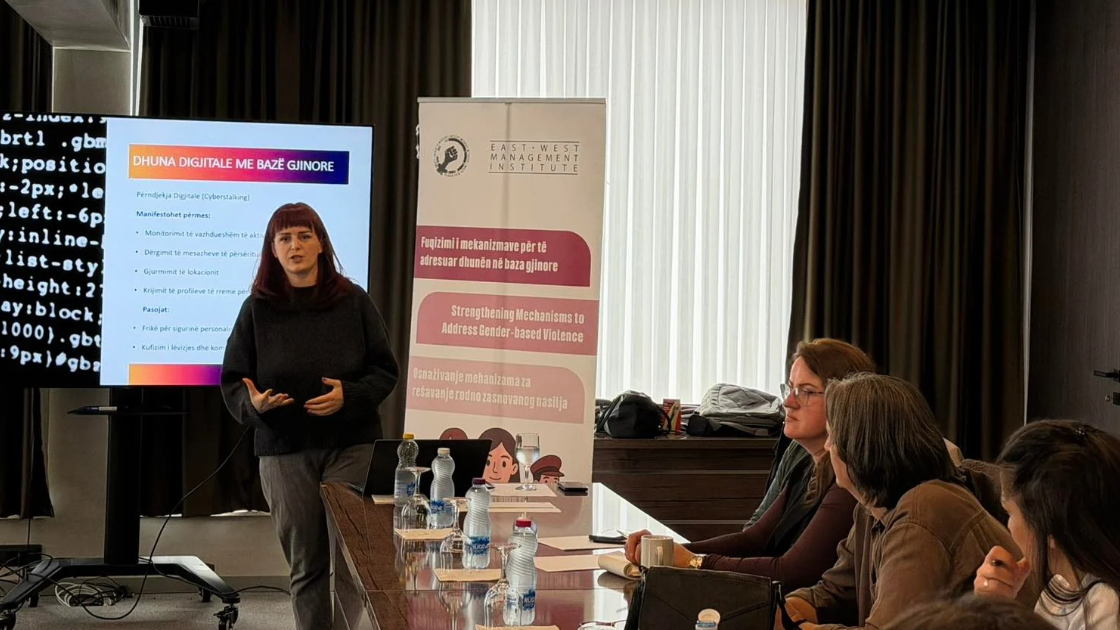
KWN also highlighted the need to amend and supplement existing legislation to ensure a more comprehensive response to gender-based violence.
Particular importance was also placed on cooperation with women’s organisations to ensure that proposed legislation is informed by gender impact assessments. Parliamentary committees should verify that these assessments have been conducted and reviewed before draft laws proceed to a vote in the Assembly. This is essential for assessing in advance how institutional decisions may affect women and girls and for preventing potential consequences that could undermine their rights and equality.
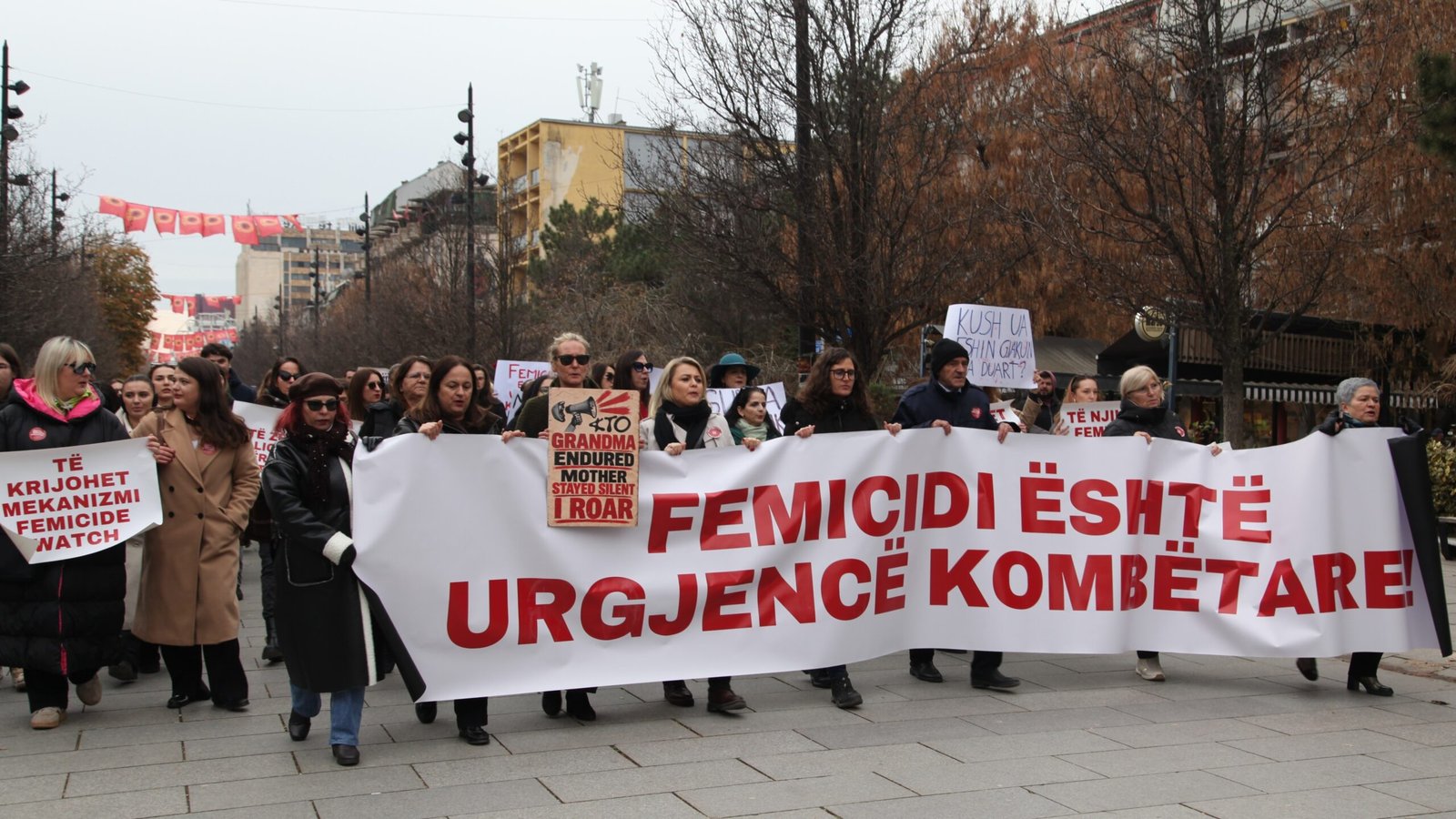
During the discussion with the President, addressing gender-based violence as a national emergency and advancing women’s economic empowerment were also identified as areas that could receive her particular attention and support. Both require sustained institutional commitment and cooperation to bring about tangible changes in the lives of women and girls.
As part of the Parliamentary Agenda for Women, initiated by the Speaker of the Assembly, Albulena Haxhiu, a consultation process is planned across six regions of Kosovo. Through meetings with women from different communities and sectors, the process aims to identify their needs and challenges and discuss priorities that will guide the Assembly’s future planning and programmes.
KWN welcomes these initiatives and expresses its readiness to continue cooperating with the Assembly and the Presidency. The involvement of women’s organisations, drawing on their expertise, and strengthening institutional accountability are essential to ensuring that these agendas do not remain merely documents, but are translated into concrete actions and tangible results for women and girls in Kosovo.