
Today, the Kosovo Women’s Network (KWN) has published a new research report “Zero Tolerance? Monitoring the Institutional Response to Gender-based Violence in Kosovo”, which provides an in-depth analysis of the institutional response to gender-based violence based on the standards of the Council of Europe Convention on Preventing and Combating Violence against Women and Domestic Violence (known as the “Istanbul Convention”).
The report covers the period of 2021–2024 and is based on a comprehensive methodology that includes analysis of the legal framework, monitoring of the handling of violence cases by responsible institutions, interviews with institutional representatives, and review of official data.
The findings show that Kosovo has made significant progress in improving the legal framework with the adoption of the Law on Prevention and Protection from Domestic Violence, Violence against Women and Gender-based Violence, among other laws and policies. Nevertheless, their implementation remains insufficient and often uncoordinated. KWN’s monitoring suggest that by the end of 2024, only 54% of the activities of the National Strategy for Protection from Domestic Violence and Violence against Women had been fully implemented, 42% partially implemented and 5.5% not implemented.
The report highlights that digital and sexual violence remain under-treated. Harmful attitudes, such as victim blaming and attempts to “save the family” through reconciliation, continue to influence institutions’ handling of cases. Lack of human resources, specialised training and effective inter-institutional coordination remain key challenges undermining the safety and well-being of victims of violence.
The report provides concrete recommendations for responsible institutions, aiming to improve law enforcement, increase budgets for support services, strengthen a victim-centred approach and build a coordinated, effective institutional response. KWN calls on all relevant institutions to take immediate and sustained action towards a real “zero-tolerance” approach to addressing all forms of gender-based violence.
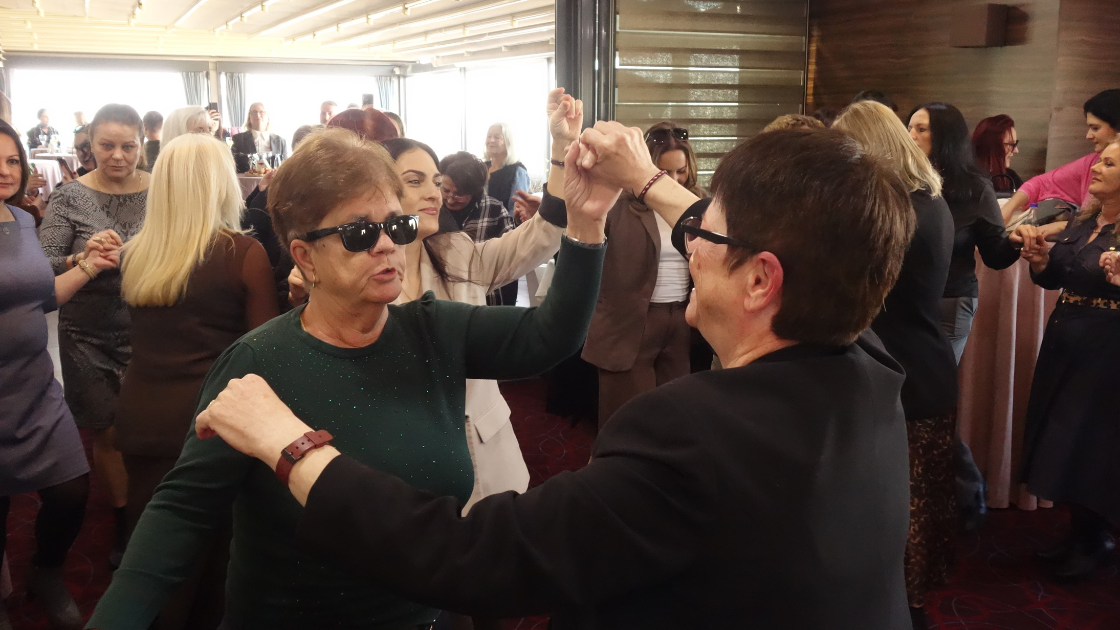
At the launching event today, Nermin Mahmuti, Chair of the KWN Board acknowledged that Kosovo has made progress in strengthening the legal framework to address gender-based violence. However, the main challenge remains implementation, she said. Moreover, she emphasised the key role of civil society as a frontline defender and supporter of survivors of violence. This, she said, continues despite recent funding cuts.
“Financial challenges faced by civil society organisations risk undermining the monitoring of the implementation of the legal framework, particularly for the most marginalised groups, including women with disabilities,” she said, further emphasizing the need for long-term and sustainable support for women’s organizations.
In her remarks, Sara Lindblom, Second Secretary of the Embassy of Sweden in Kosovo also emphasised the importance of civil society. “Civil society plays a role when it comes to legal aid and pushing for legal changes as well as advocacy and monitoring institutions’ performance and improving accountability.”
She continued, “Sweden strongly encourages the Government of Kosovo to strengthen interinstitutional cooperation and ensure there is enough budget and human resources.”
Key institutions joined KWN in discussing the findings, including Vlora Limani Hajnuni, Political Advisor at Ministry of Justice; Arjeta Sadiku, Deputy Chair, Kosovo Judicial Council (KJC), Blerim Shabani, Ministry of Justice and Arton Ahmeti, Secretary, Ministry of Finance. Participants agreed on the importance of continued collaboration among civil society and the government.
“Full effectiveness [in implementing the legal framework] will only be in a close inter-institutional cooperation in bringing justice to victims and supporting mechanisms in local and the central levels”, said Arjeta Sadiku, Deputy Chair, KJC.
“Our joint work with the Kosovo Women’s Network in developing modules for social workers, as well as the trainings we continue to deliver together, is helping us improve social services for victims of domestic violence, trafficking, and sexual violence,” said Mr. Shabani.
The report was produced with financial support from the Austrian Development Agency and co-financed by the Swedish International Development Cooperation Agency.