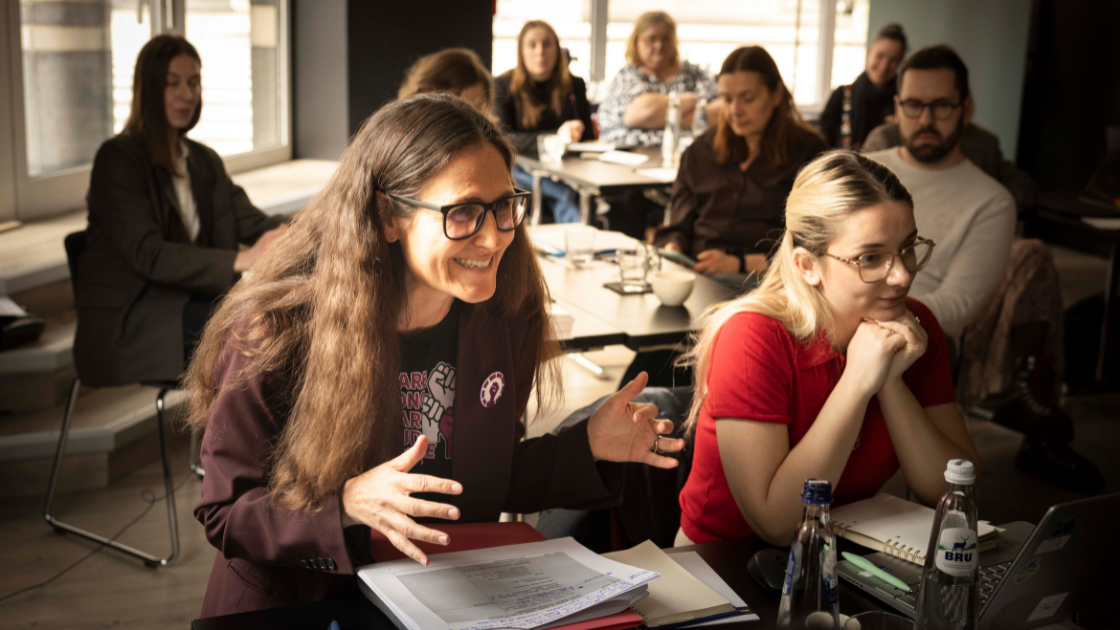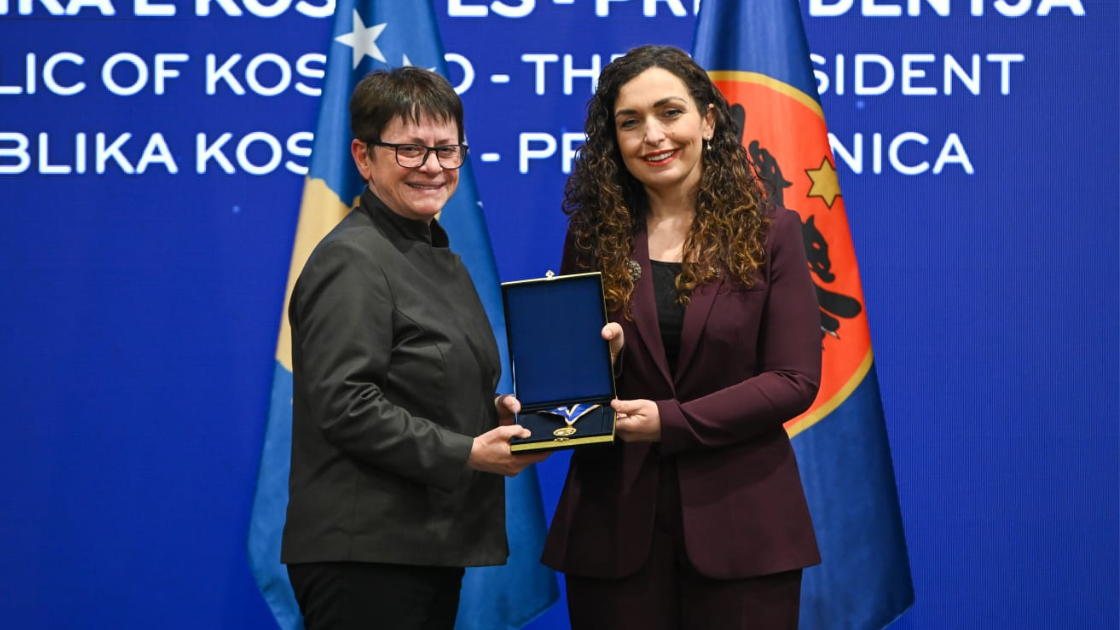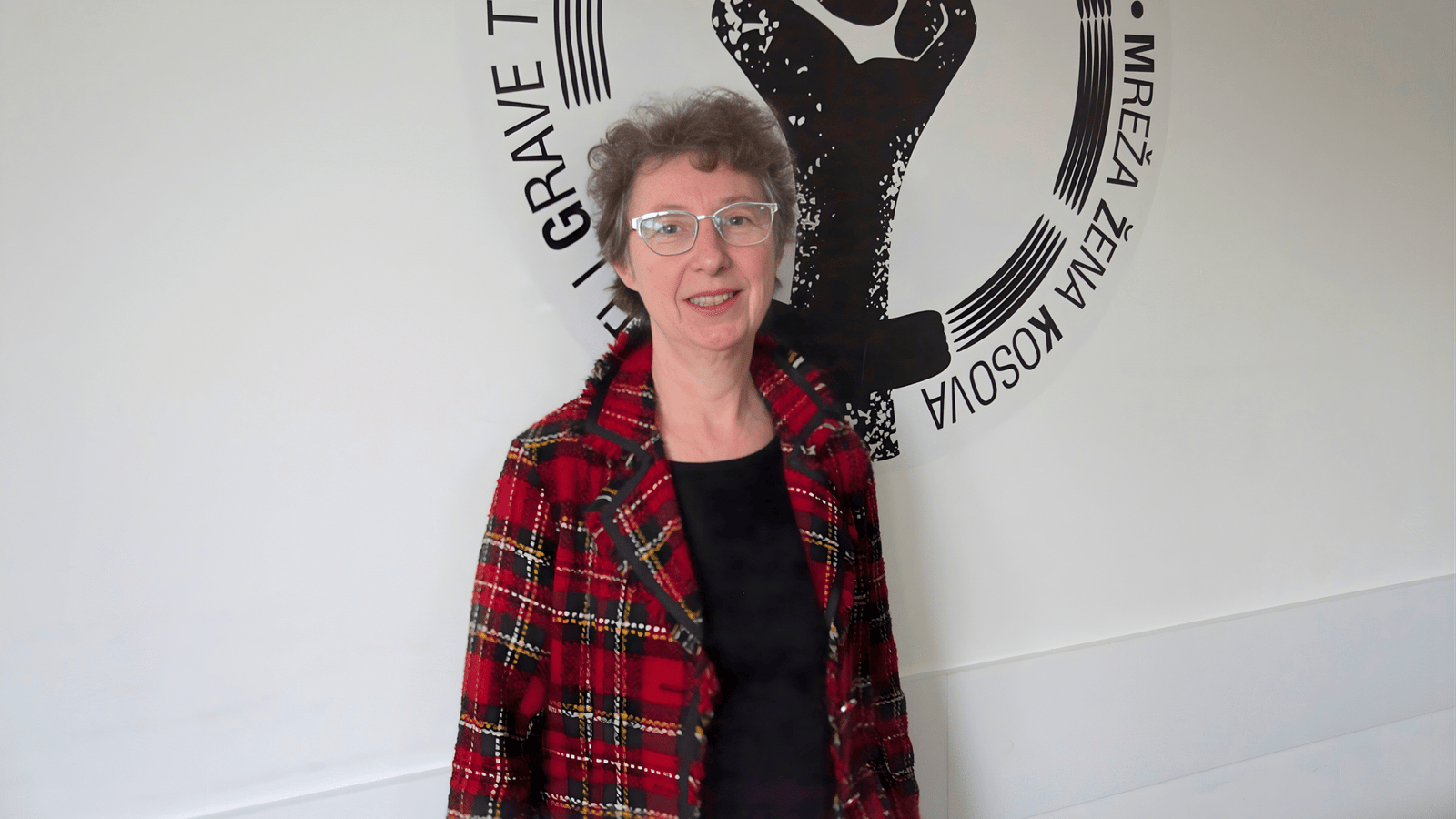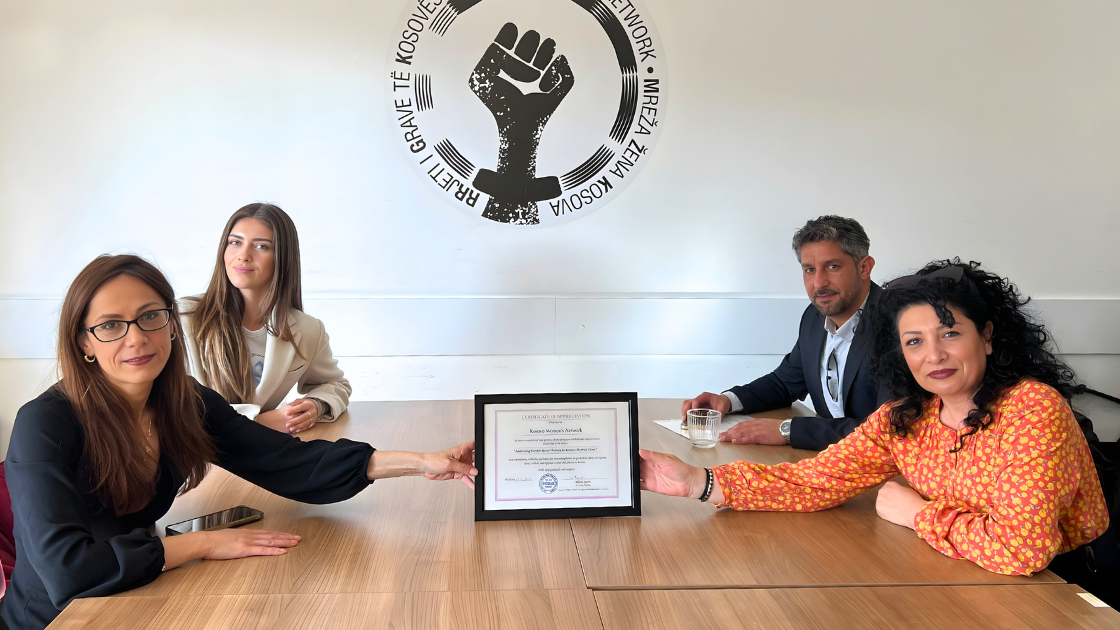
From 4-6 of Nov., various women’s rights activists from the Western Balkans met in Brussels to advocate for women’s issues in their respective countries. Participants included women’s rights activists from Albania, Bosnia and Herzegovina, Kosovo, Macedonia, Montenegro, and Serbia.
In the course of three days, participants met with various representatives from the Directorate General for Neighborhood and Enlargement Negotiations (DG NEAR), the European External Action Service (EEAS), the Committee for Foreign Affairs at the European Parliament, Mara Marinaki, Principal Adviser on Gender and Security at the EU, the Permanent Representation of the Netherlands at the EU, and the Permanent Representation of Sweden at the EU.
Issues raised by KWN included, but were not limited:
- The need to improve gender mainstreaming in the progress report, since gender issues and women’s rights are almost exclusively mentioned in the Human Rights chapter. Mainstreaming gender through the progress report is very important, as it will make issues pertaining to gender inequality a priority for the government of Kosovo
- Women’s insufficient participation in the political dialogue between Kosovo and Serbia
- Women’s overall underrepresentation in decision-making structures in Kosovo
- The issue of EU funding (particularly funding from the Instrument of Pre-Accession), as there are currently insufficient processes in place to review whether gender has been sufficiently mainstreamed throughout action documents or sectoral planning documents
- Gender impact analysis of enlargement processes
- Kosovo’s political status, which makes it difficult to sign and enforce EU and other conventions pertaining to violence against women (e.g. Istanbul Convention), and other conventions pertaining to women’s rights
EU representatives acknowledged their large role in pressuring governments to improve gender equality and women’s empowerment. They promised to have more in-depth consultation with women’s CSO’s. Notably, representatives from the desk office for Kosovo at DG NEAR admitted that there is more space to consult civil society while drafting the progress report. While it is too late to influence the 2015 progress report (as it will be published next week), representatives from the EU Parliament said that they will discuss the progress report in December/January, and will include comments from the KWN in the report.
This advocacy initiative was supported by Kvinna till Kvinna and their effort of bringing Balkan’s women’s CSO’s advocacy initiatives closer to the European Union.