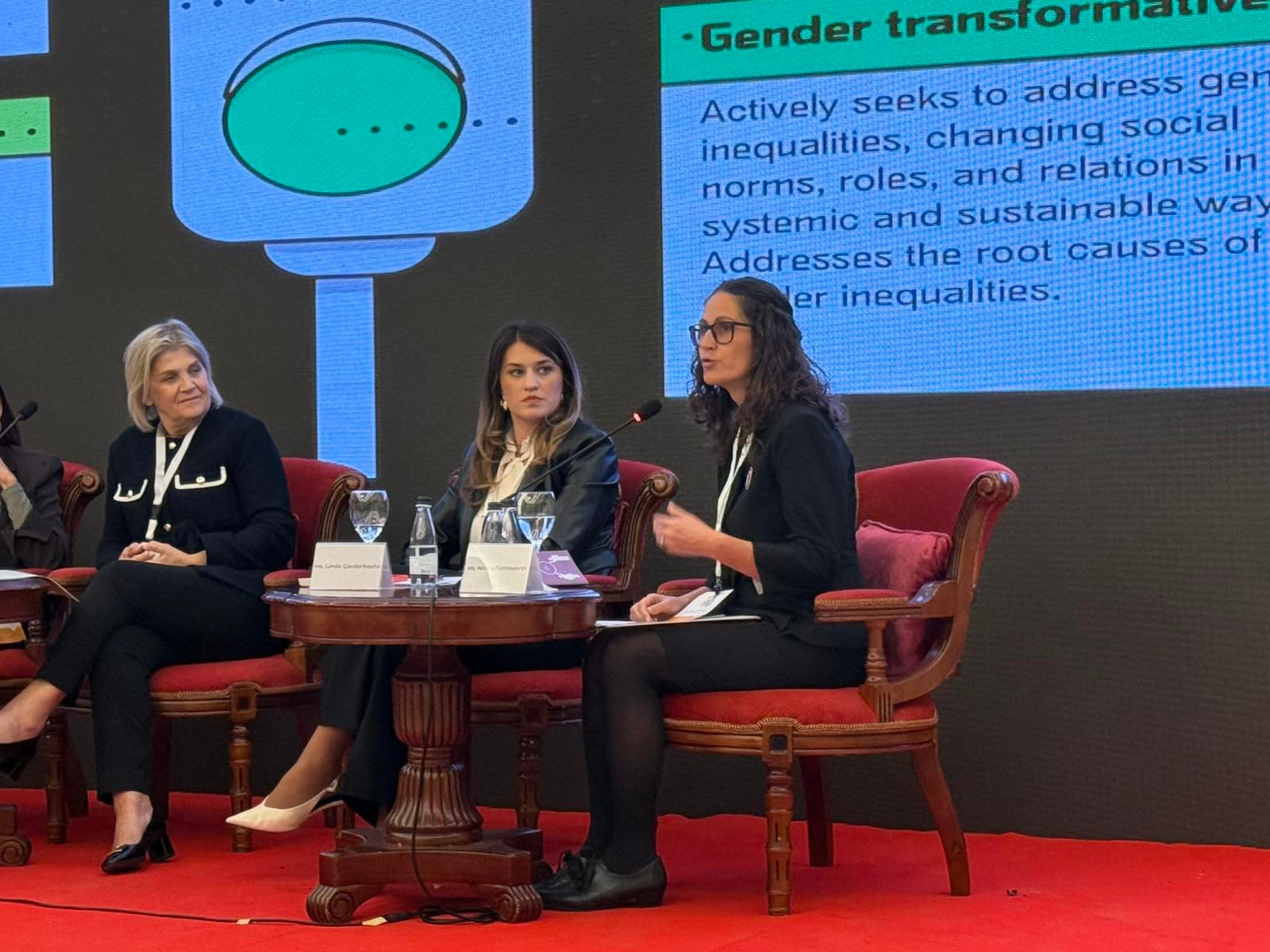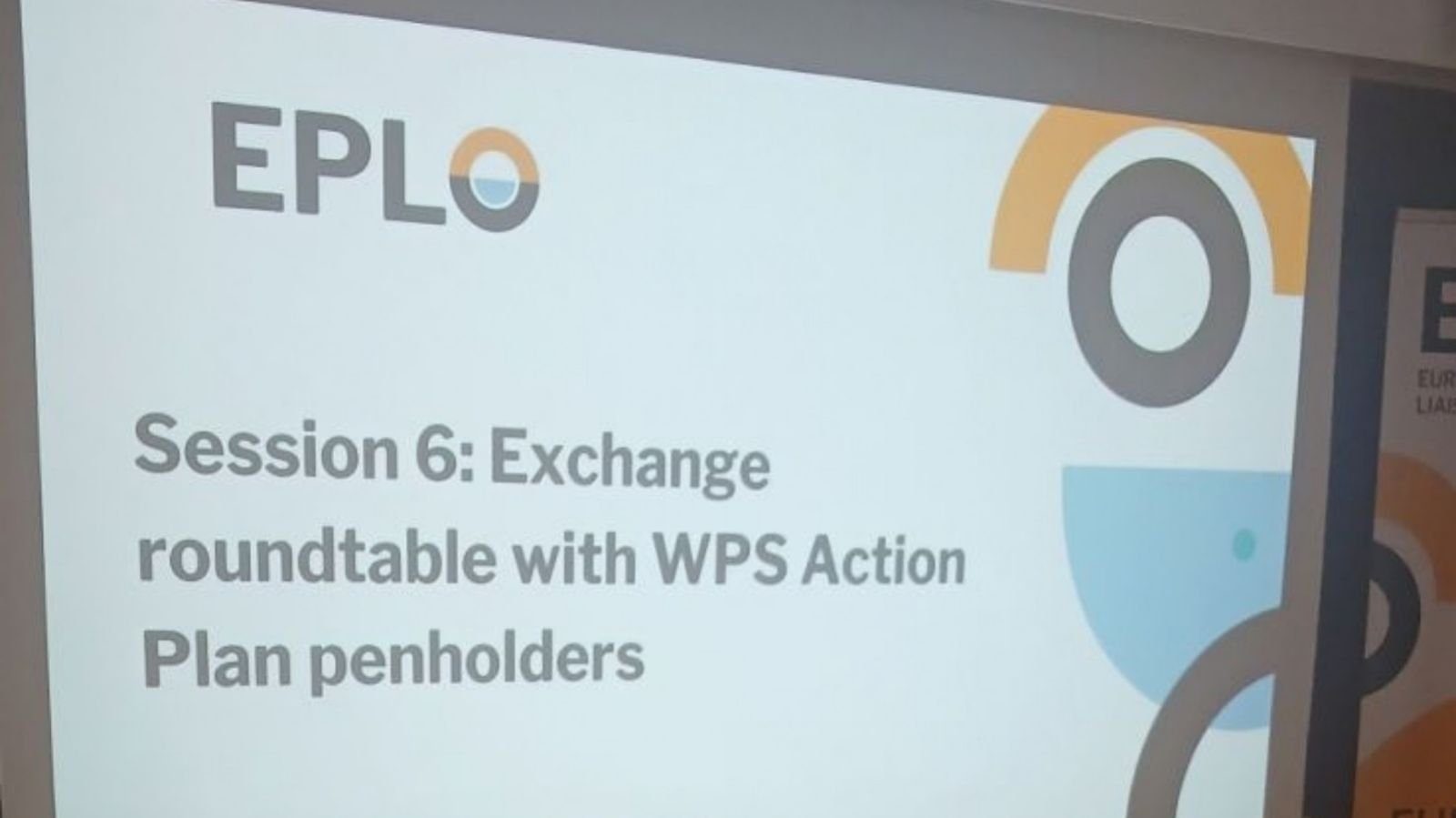
Today in Brussels, Adelina Berisha from the Kosovo Women’s Network (KWN), together with a Western Balkans coalition supported by the Kvinna till Kvinna Foundation, shared remarks on women’s participation in democracy, Kosovo’s European Union integration and the EU next long-term budget.
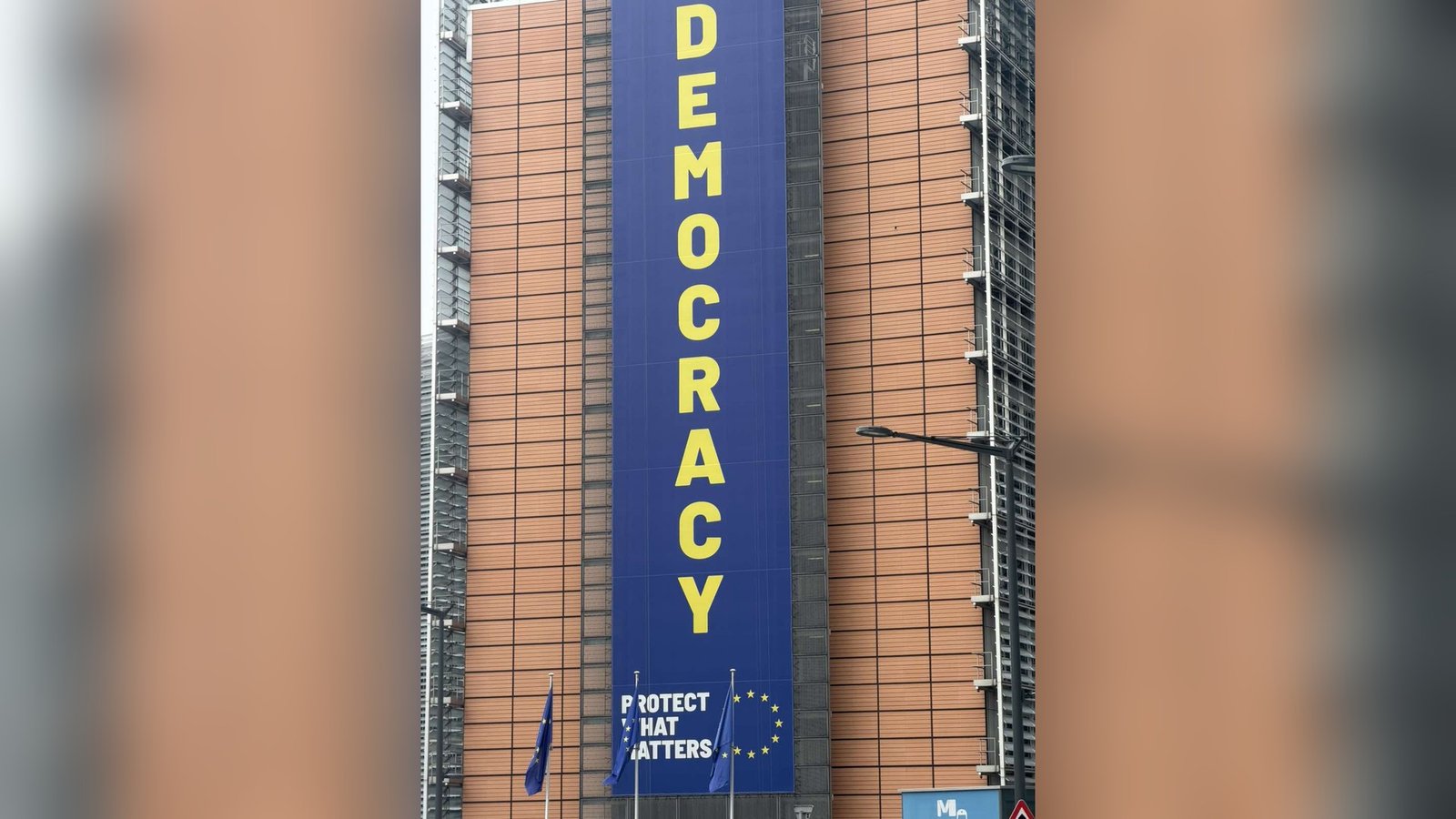
Referring to the European Commission’s message, “Democracy: Protect What Matters,” Berisha asked what exactly is being protected when democracy is protected. She stressed that democracy cannot be fully protected if women are excluded from decision-making, women’s rights organisations lack resources to influence policies, or women’s priorities are not reflected in public spending.
She emphasised that women’s participation is not an additional benefit of democracy, but a condition for making it meaningful and resilient.
Gender Equality in Kosovo’s EU Integration and Reform Agenda
Kosovo’s Reform Agenda includes 111 reform steps, with access to up to €882.6 million under the EU Growth Plan. Berisha stressed that beyond the number of reforms and funding available, the key question is how these reforms will improve women’s lives.
Referring to KWN’s monitoring, she highlighted continuing gaps in protection for survivors of violence, inadequate investigations and difficulties accessing essential services. She emphasised that progress must be measured not only through legislation and formal commitments, but also through effective institutions, adequately funded services and tangible improvements in women’s safety.
Berisha called on the EU to integrate gender equality into Kosovo’s reform process and rule-of-law monitoring through measurable results, gender-responsive budgeting and meaningful participation of independent women’s rights organisations.
She also underlined that women’s participation is essential to peace and security, stressing that women from all communities in Kosovo must have a meaningful role in conflict prevention, reconciliation and the Kosovo–Serbia dialogue.
Gender Equality in the EU Budget for 2028–2034
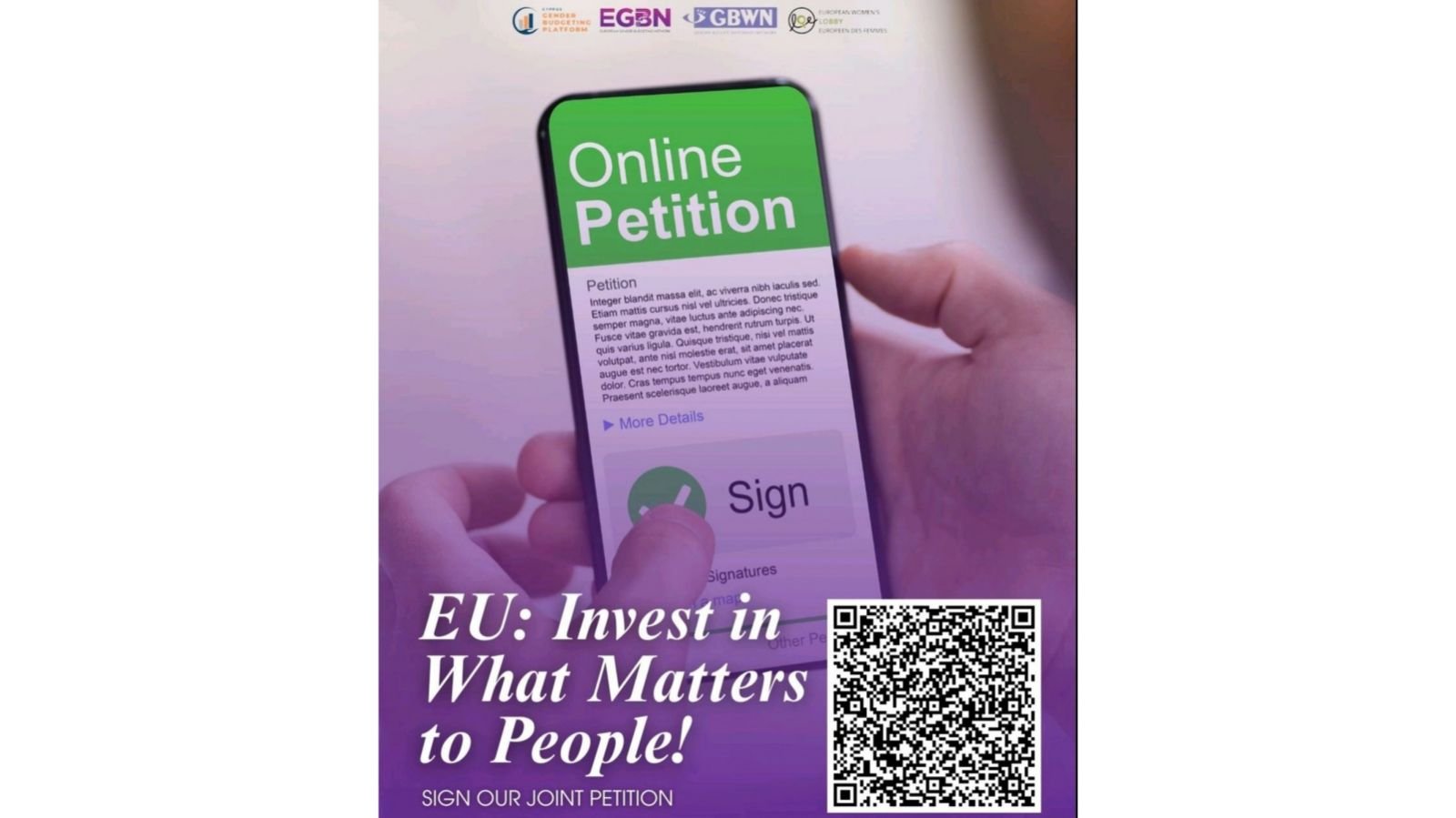
Looking ahead to the EU’s next long-term budget for 2028–2034, Berisha called on the Irish Presidency and EU Member States to ensure that gender equality and women’s rights remain visible and adequately funded priorities.
She highlighted the importance of EU funding in sustaining services for survivors of gender-based violence, strengthening women’s rights organisations and supporting women’s participation in peacebuilding.
She also stressed the need for transparent monitoring, predictable multi-year funding and accessible funding opportunities, including for smaller, grassroots organisations. Independent women’s rights organisations must be involved not only in implementing programmes, but also in shaping and monitoring them.
Protecting Democracy in Practice
Berisha emphasised that protecting democracy means more than safeguarding institutions and elections. It requires protecting women’s ability to influence decisions, supporting organisations that represent their interests and ensuring that political commitments translate into real change.
She called on the Irish Presidency and EU Member States to embed women’s participation and gender equality in Kosovo’s European integration process and the EU’s next long-term budget, recognising them as essential to democratic resilience and sustainable peace.
As she stressed, democracy is not only about who is allowed to vote, but also about who gets to shape the decisions that follow and whether those decisions make a real difference in people’s lives.