Public consultations provide an important opportunity for citizens and civil society organisations to contribute to local decision-making and advocate for their priorities to be reflected in municipal plans, policies and budgets. Decisions made at the municipal level directly affect people’s everyday lives, including their access to healthcare, education, social services, employment opportunities, infrastructure and support programmes.
Meaningful participation in these consultations can contribute to greater transparency and accountability by enabling citizens and civil society organisations to communicate needs directly to municipal representatives and seek concrete responses.
Women’s rights organisations play a crucial role in these processes. Through their daily work with women, girls, persons with disabilities, minority communities, rural populations and other groups, they have direct knowledge of the challenges these communities face. Their participation helps bring forward perspectives and priorities that may otherwise be overlooked in municipal planning and budgeting.
Recognising their importance, the Kosovo Women’s Network (KWN) has remained in regular contact with its member organisations, sharing information about consultations on municipal budgets, gender-responsive budgeting, healthcare, education, social services, rural communities and the rights and needs of communities in vulnerable or marginalised situations. KWN has encouraged members to participate, raise issues relevant to their work and consult beneficiaries and community members in advance to identify priority challenges and needs, ensuring that members’ contributions reflect the lived experiences of the communities they represent and are supported by concrete, evidence-based recommendations.
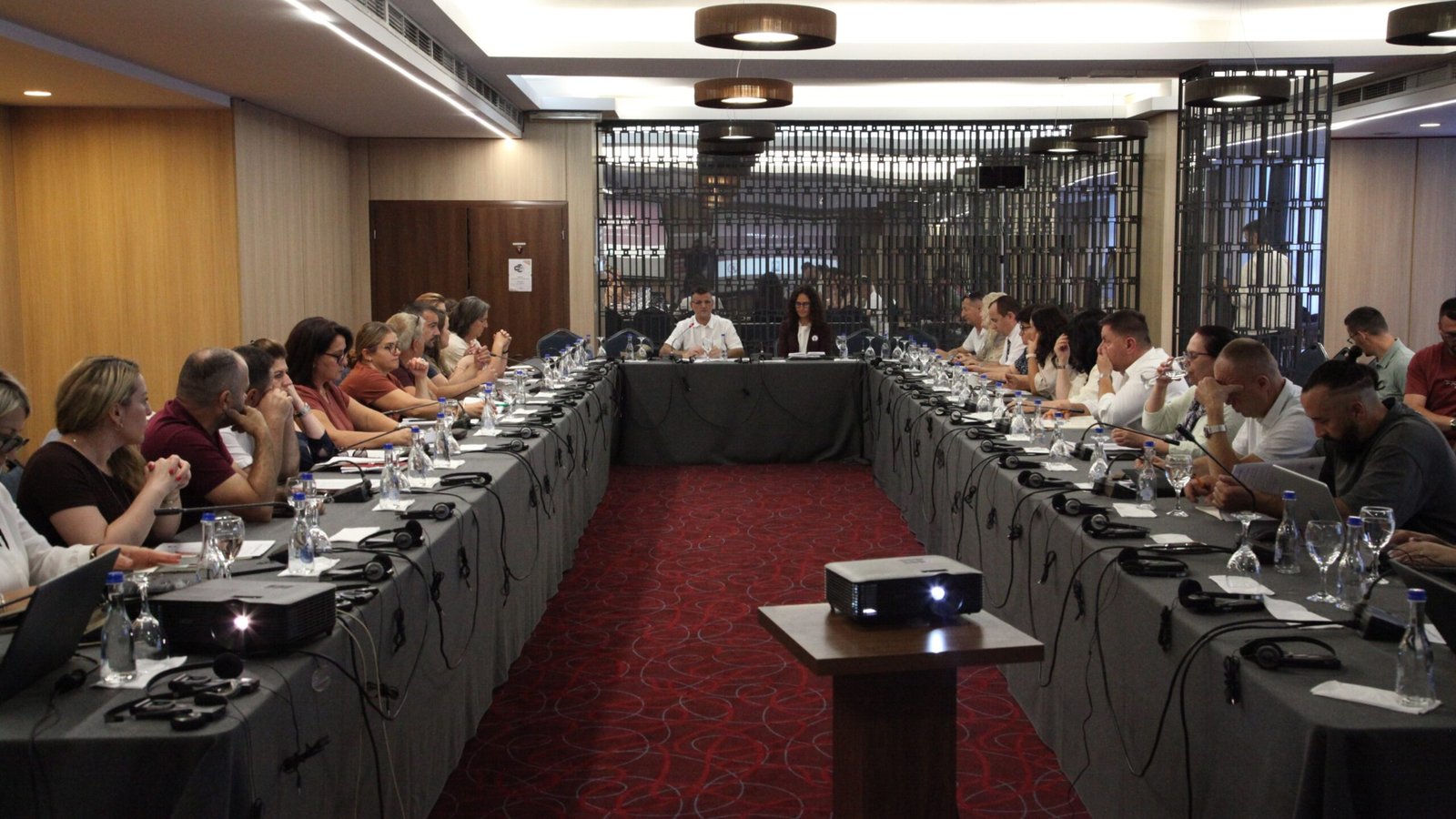
Following KWN’s encouragement to participate in municipal budget hearings, KWN remained in contact with its member organisation the Fatjona Women’s Association. The organisation expressed its readiness to attend the budget hearing with civil society organisations and the Municipal Gender Equality Office, held on 28 July 2026 in the Municipal Assembly Hall in Malishevë.
Before the hearing, the organisation’s Director, Fatime Limaj, met with women beneficiaries to discuss their concerns and needs, ensuring that their perspectives would be represented during the municipal budget discussion. Six women then attended the hearing together, where they heard about the municipality’s plans for the coming years and presented several requests from their community.
Among the issues raised were difficulties accessing water in neighbourhoods in Banjë, Malishevë. Municipal representatives stated that an agreement had been reached to construct a larger water reservoir that would also supply these neighbourhoods. The women also raised concerns about damaged streetlights and received assurances that they would be repaired.
Additionally, they advocated for premises where women could sell fruit, vegetables and handicrafts. Although they were informed that providing such premises was not currently possible, they proposed establishing a collection point for local products. They were advised to submit a written request supported and signed by several residents of the municipality. The Municipal Gender Equality Officer supported them in drafting, registering and submitting the request.
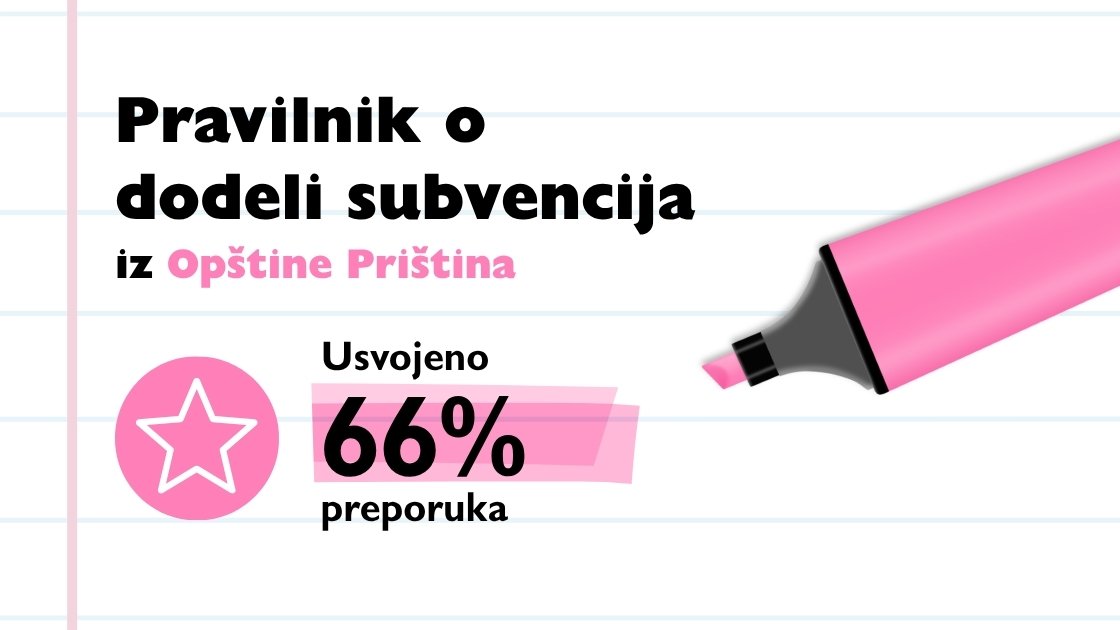
KWN Programme Manager Drita Sylejmani also participated in a public discussion on budget planning for education in the Municipality of Pristina. She advocated for increased funding for childcare and early education services, additional school psychologists and personal assistants for children with disabilities, improved and accessible school infrastructure for children with disabilities, and the inclusion of sanitary pads in school hygiene supplies. These measures aim to strengthen inclusive and gender-responsive education and support the well-being and equal participation of all children.
KWN will continue informing and encouraging its member organisations to participate in public consultations and use these processes to advocate for more inclusive, gender-responsive and community-based municipal decision-making.