
For women and girls, access to menstrual products is not just a hygiene issue but a question of dignity and opportunity. When these items are expensive or unaffordable, they can become a barrier to education, limit participation in daily life and reinforce social and economic inequalities. Yet in Kosovo, they are taxed as luxury rather than essential products.
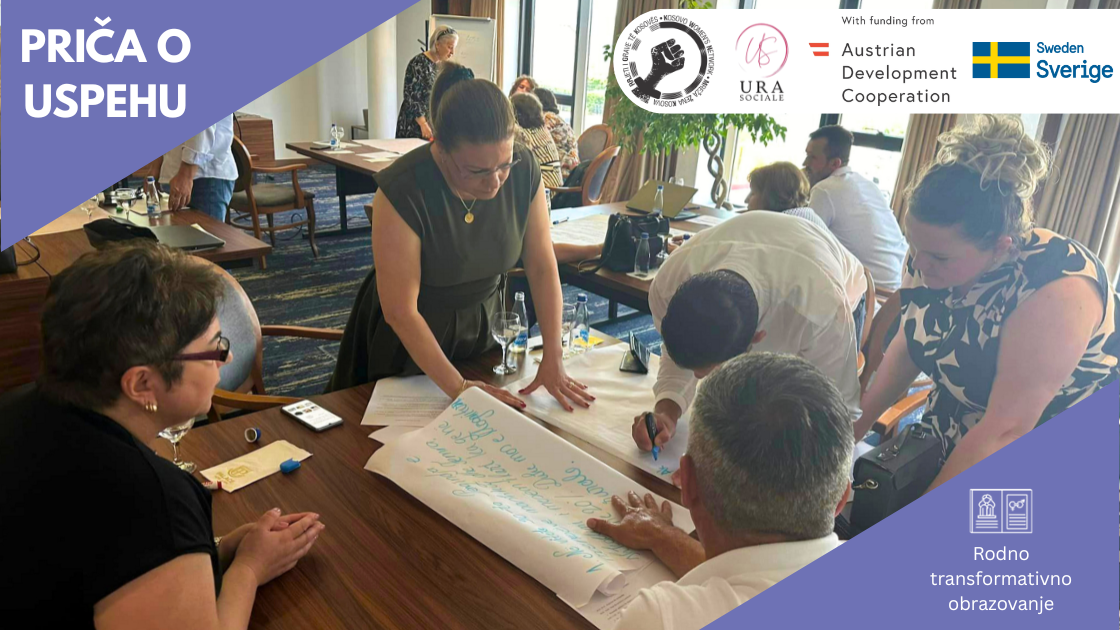
This reality was the starting point for EkoKosWomen’s work. Their journey began with small grants from the Kosovo Women’s Network (KWN), supporting actions such as “Menstrual Hygiene Management: A Clean Life for Women and Girls” and “Access to healthcare: An investment in the future”. Through these initiatives, EcoKosWomen worked directly with women and girls to raise awareness on menstrual hygiene, reproductive health and access to healthcare services, particularly among communities facing social and economic challenges.
Building on the support from KWN, EcoKosWomen continued its advocacy and research efforts, becoming one of the first organisations in Kosovo to highlight the financial burden of menstrual hygiene products on women, girls and their families. Their research showed that abolishing taxes on these products would have minimal impact on government revenues, as their VAT and customs duties account for only 0.065% of Kosovo’s annual customs revenues. At the same time, it would significantly ease financial pressure on women and girls, improve menstrual health management and ensure more equitable access to essential hygiene products. EkoKosWomen’s advocacy also contributed to the Municipality of Obiliq introducing a budget line for free menstrual hygiene products in schools and public institutions, helping improve dignity and access for women and girls.
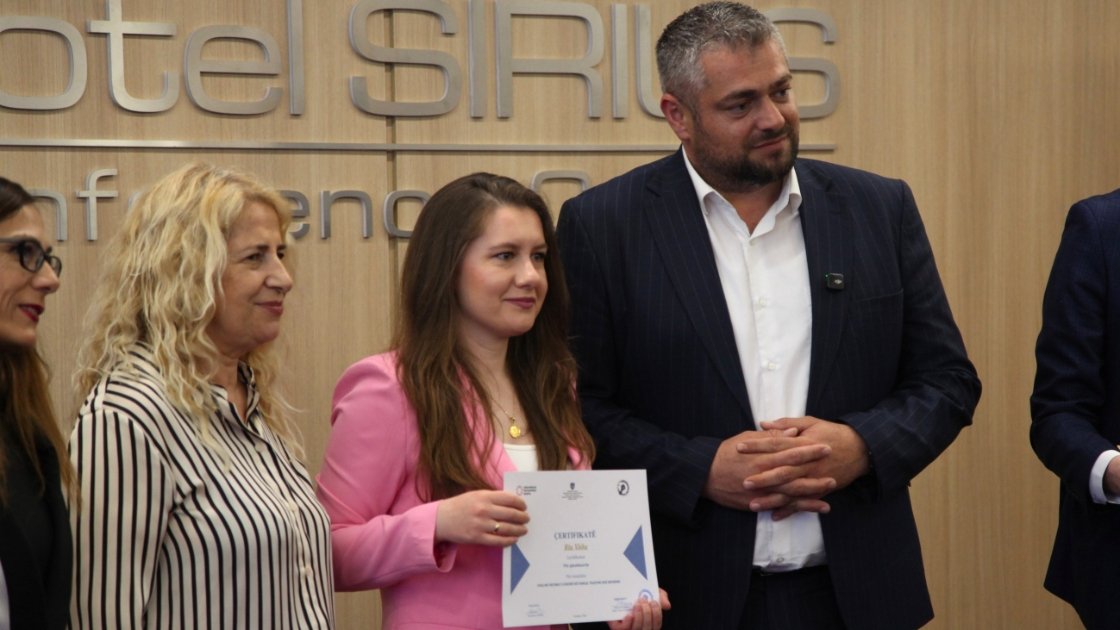
What began as a small initiative supported by KWN became a long-term movement for improved health and equal opportunities. EcoKosWomen continued implementing actions beyond the initial grants, expanding their work through new partnerships and initiatives focused on women’s rights and community wellbeing. Their dedication and impact were later recognised through the Human Rights Award from the French Government..
On Menstrual Hygiene Day, EcoKosWomen’s story reminds us that investing in grassroots women-led initiatives can create lasting change for entire communities.