Pod pokroviteljstvom predsednice Kosova Atifete Jahjage, Fondacija Jahjaga organizovala je konferenciju „Partnerstvo za promene: Žene koje transformišu sisteme – unapređenje Prištinskih principa 2026–2035“, koja je održana od 1. do 3. oktobra u Prištini, uz podršku Luksemburga. Konferencija je okupila liderke, predstavnice civilnog društva, pripadnike bezbednosnih snaga, kreatore politika, diplomate i druge aktere kako bi razmotrili značaj i nasleđe Prištinskih principa i razgovarali o daljem unapređenju Agende za žene, mir i bezbednost (ŽMB) u narednoj deceniji. Konferenciji je prisustvovalo i nekoliko organizacija članica Mreže žena Kosova (MŽK).
Poseban trenutak na otvaranju konferencije bilo je odavanje priznanja ambasadorki dr Vjosi Dobruni, diplomati, zagovornici ljudskih prava, pedijatrici i bivšoj članici Odbora MŽK-a. Fondacija Jahjaga dodelila joj je Nagradu za životno delo u oblasti žena, mira i bezbednosti, kojom je odato priznanje njenom dugogodišnjem doprinosu unapređenju prava žena i jačanju njihovog liderstva, kao i promovisanju mira i bezbednosti..
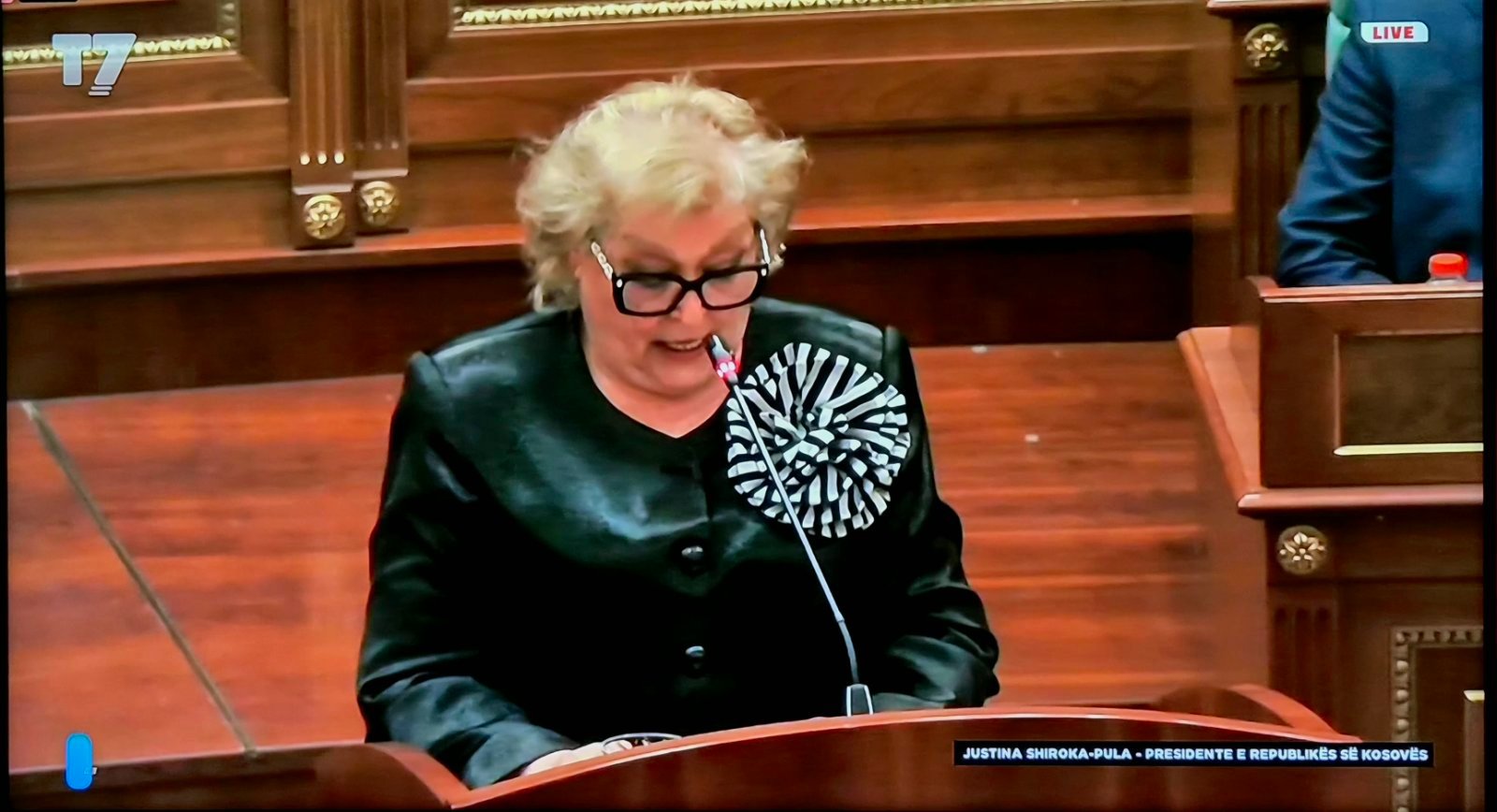
Priznanja su uručena i dr Justini Široka-Pulja, predsednici Akademije nauka i umetnosti, i Sonji Biserko, osnivačici i predsednici Helsinškog odbora za ljudska prava u Srbiji.
Nekoliko organizacija članica MŽK-a doprinelo je konferenciji. Kadire Tahiraj, izvršna direktorka Centra za unapređenje prava žena, učestvovala je kao panelistkinja na sesiji „Reparativna pravda, seksualno nasilje povezano sa sukobom i pozivanje na odgovornost“, na kojoj je govorila o značajnoj istoriji saradnje aktivistkinja, MŽK-a, predsednice Jahjage, Kosovskog centra za rehabilitaciju žrtava torture i drugih aktera u pružanju podrške ženama koje su preživele nasilje.
Abetare Gojani, izvršna direktorka organizacije The Foundation House, učestvovala je na panelu „Oblikovanje budućnosti: tehnologija, inovacije i otporna društva“.
Članica Odbora MŽK-a Antigona Badžaku, preko svoje kompanije SHE Media & Communication, bila je zadužena za odnose s javnošću i video-produkciju u okviru prenosa konferencije uživo.
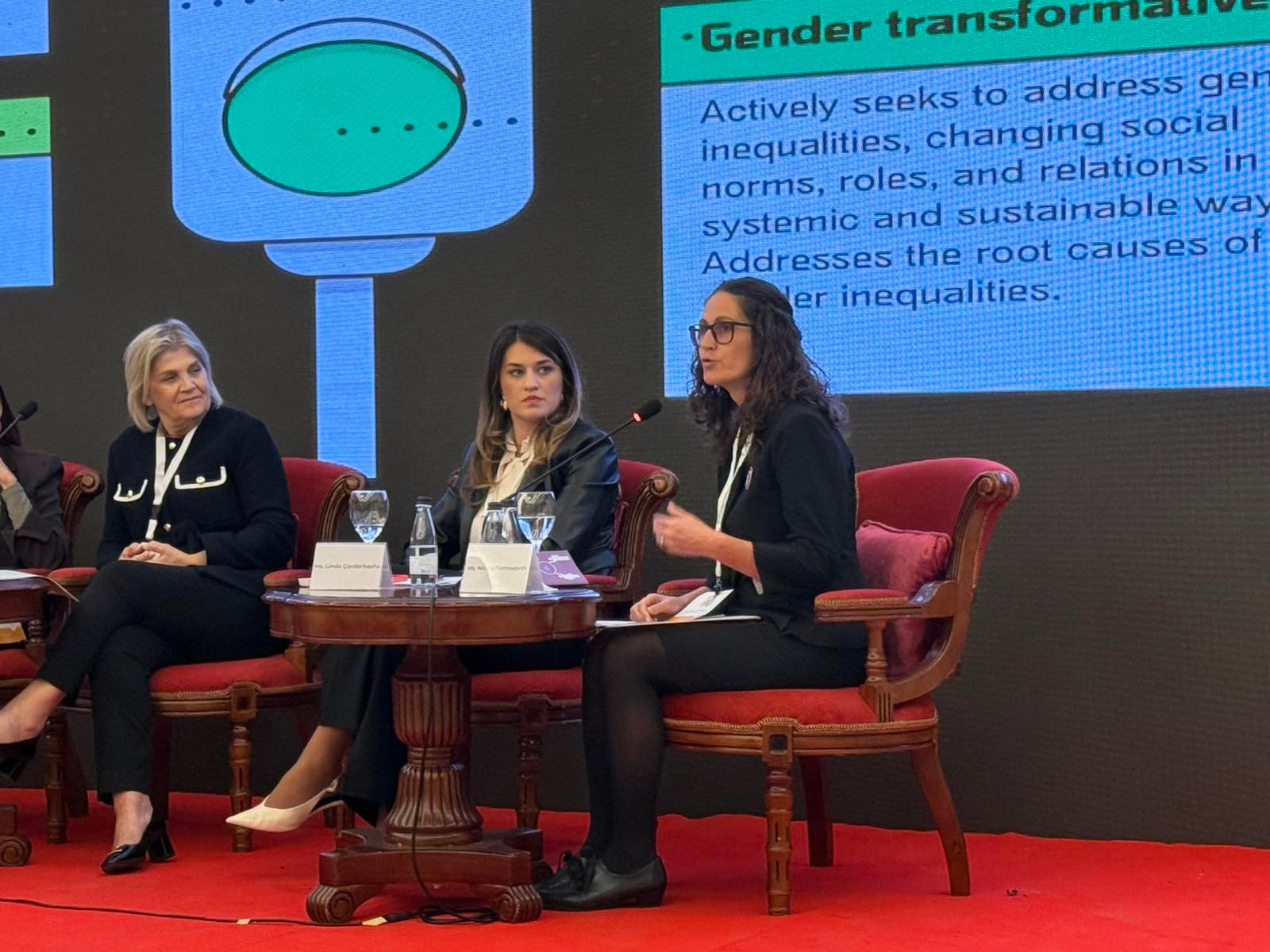
Izvršna direktorka MŽK-a Nikol Farnsvort učestvovala je na sesiji „Ekonomsko osnaživanje, klima i energetska bezbednost“.
Farnsvort je istakla da je ministarstvo nadležno za životnu sredinu, sa pravnog aspekta, dužno da izradi i primenjuje smernice za integrisanje rodne perspektive u mere ublažavanja klimatskih promena i prilagođavanja njihovim posledicama, ali da takve smernice ne postoje. Naglasila je značaj institucionalizacije obaveznih analiza uticaja na rodnu ravnopravnost, koje bi služile kao podloga za izradu svih zakona, politika i mera, kako bi se u obzir uzele različite potrebe žena i muškaraca.
Prema njenim rečima, potrebno je i institucionalizovati rodno odgovorno budžetiranje (ROB) u zakonima i politikama kojima se uređuje upravljanje javnim finansijama. ROB zahteva sprovođenje rodne analize i utvrđivanje jasnih ciljeva, pokazatelja, polaznih osnova i ciljnih vrednosti.
Istakla je da je za postizanje suštinske transformacije neophodno menjati postojeće rodne uloge, norme i odnose, kao i obezbediti finansiranje sistema nege i brige, kao sastavnog dela sistemskih promena u funkcionisanju ekonomije.
Govoreći o Agendi za ŽMB, Farnsvort je naglasila da je neophodno obezbediti smisleno učešće žena različitih profila i životnih iskustava, kao i organizacija civilnog društva, u svim fazama izrade i sprovođenja zakona i politika, uključujući njihovo praćenje i evaluaciju.
Farnsvort je izdvojila dva ključna principa za koja smatra da bi trebalo da budu uvrštena u revidirane Prištinske principe za period 2026–2035:
- Vlada treba da institucionalizuje obaveznu analizu uticaja na rodnu ravnopravnost, koja bi služila kao osnova za izradu svih zakona, politika i budžeta
- U skladu sa obavezama preuzetim u okviru Agende ŽMB, a imajući u vidu globalno smanjenje finansiranja i izazove sa kojima se suočavaju organizacije za prava žena, vlada treba da izdvoji namenska sredstva za podršku ženskim organizacijama, kako bi mogle da nastave da doprinose bezbednosti žena iz različitih sredina i sa različitim životnim iskustvima.
Učešće MŽK-a na ovoj konferenciji deo je višedecenijskog zalaganja Mreže za delotvorno sprovođenje ŽMB na Kosovu. MŽK je dokumentovala iskustva Kosova u sprovođenju Rezolucije 1325 Saveta bezbednosti Ujedinjenih nacija i zalagala se za smisleno učešće žena u mirovnim procesima kroz istraživanja, zagovaranje i saradnju sa lokalnim i međunarodnim institucijama.
O svom radu na unapređenju Agende za žene, mir i bezbednost (ŽMB), MŽK je objavila niz publikacija koje dokumentuju iskustva Kosova i doprinose boljem razumevanju uloge žena u mirovnim procesima. Među njima su „Činjenice i zablude o Rezoluciji 1325“, koja dokumentuje sprovođenje Rezolucije 1325 na Kosovu, i „Mesto za stolom: Doprinos žena mirovnim procesima na Kosovu i njihova očekivanja od tih procesa“, koja se bavi ulogama i očekivanjima žena sa različitim iskustvima u mirovnim procesima i procesima uspostavljanja bezbednosti. Publikacija „Rodna analiza EU o miru i bezbednosti na Kosovu“ pruža osnovu za kreiranje programa i politika u ovoj oblasti, dok „Kroz solidarnost žena do pravednog mira“ donosi svedočenja žena iz Srbije i sa Kosova, kao i njihove zajedničke preporuke za mirovne procese tokom prvih pregovora između Kosova i Srbije.
MŽK je pružila snažnu podršku prvoj konferenciji o Prištinskim principima 2012. godine, a njena izvršna direktorka Igbale Rogova aktivno je učestvovala u njihovoj izradi i usvajanju. Prištinski principi usvojeni su nakon Međunarodnog samita žena „Partnerstvo za promene: Osnaživanje žena“, koji je predsednica Atifete Jahjaga organizovala od 4. do 6. oktobra 2012. godine.
MŽK je nastavila da doprinosi i narednim konferencijama posvećenim Agendi za ŽMB, održanim pod vođstvom predsednice Vjose Osmani-Sadriu.
MŽK nastavlja da se zalaže za delotvorno sprovođenje Agende za ŽMB na Kosovu i šire, kako bi se glasovi, stručnost i prioriteti žena uvažavali u procesima izgradnje mira, donošenju odluka i kreiranju politika koje utiču na njihove živote.